
This page indexes CustomsGenius reference guides on U.S. trade compliance, grouped by topic. Each guide covers a distinct compliance subject and is maintained as current. Every entry links to its canonical article on the CustomsGenius blog. This page is the index, not a copy of the guides.

If you cancel CustomsGenius, you own your data, get a 30-day export window, and a verified deletion request is completed within 60 days, with backups on a 7-day rotation.

CustomsGenius vs Avalara Cross-Border: Avalara quotes duty and tax at checkout in many countries; CustomsGenius returns the U.S. duty stack with published accuracy.
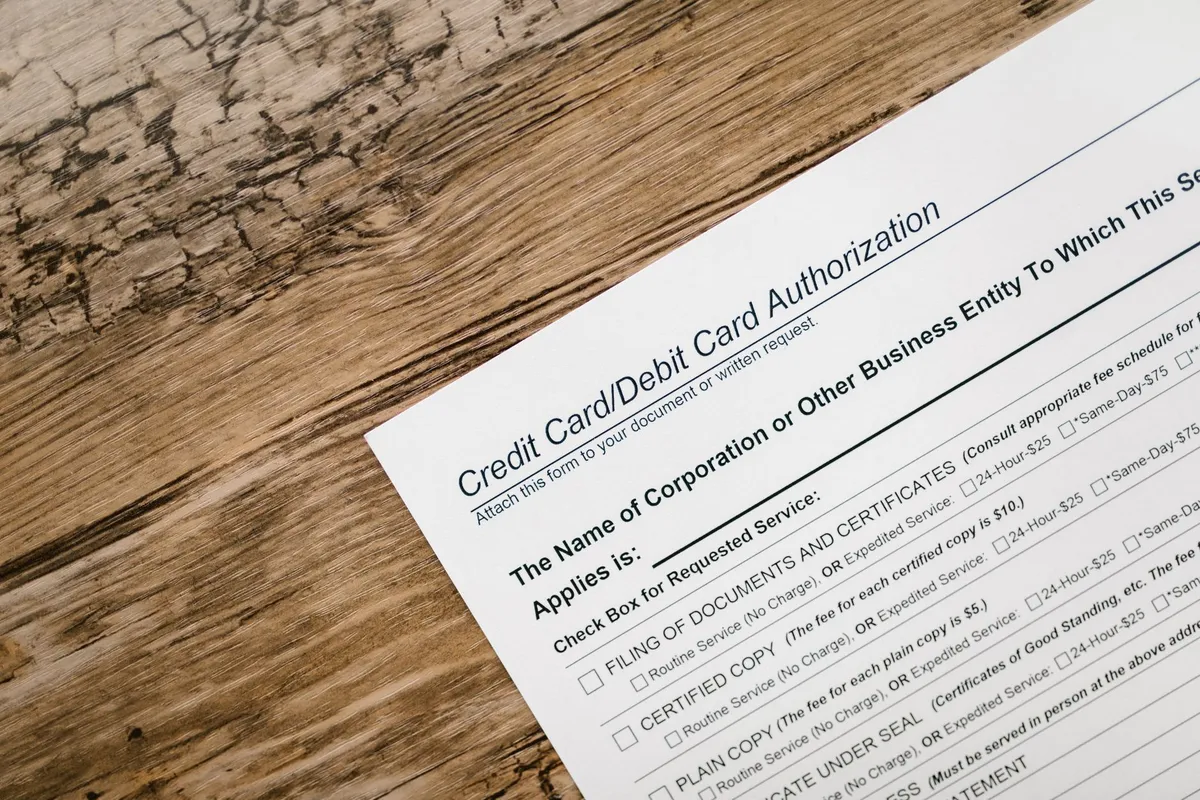
CBP Form 400 is the ACH Debit Application that enrolls an importer or broker as a payer so duties, taxes, fees and bills settle electronically.
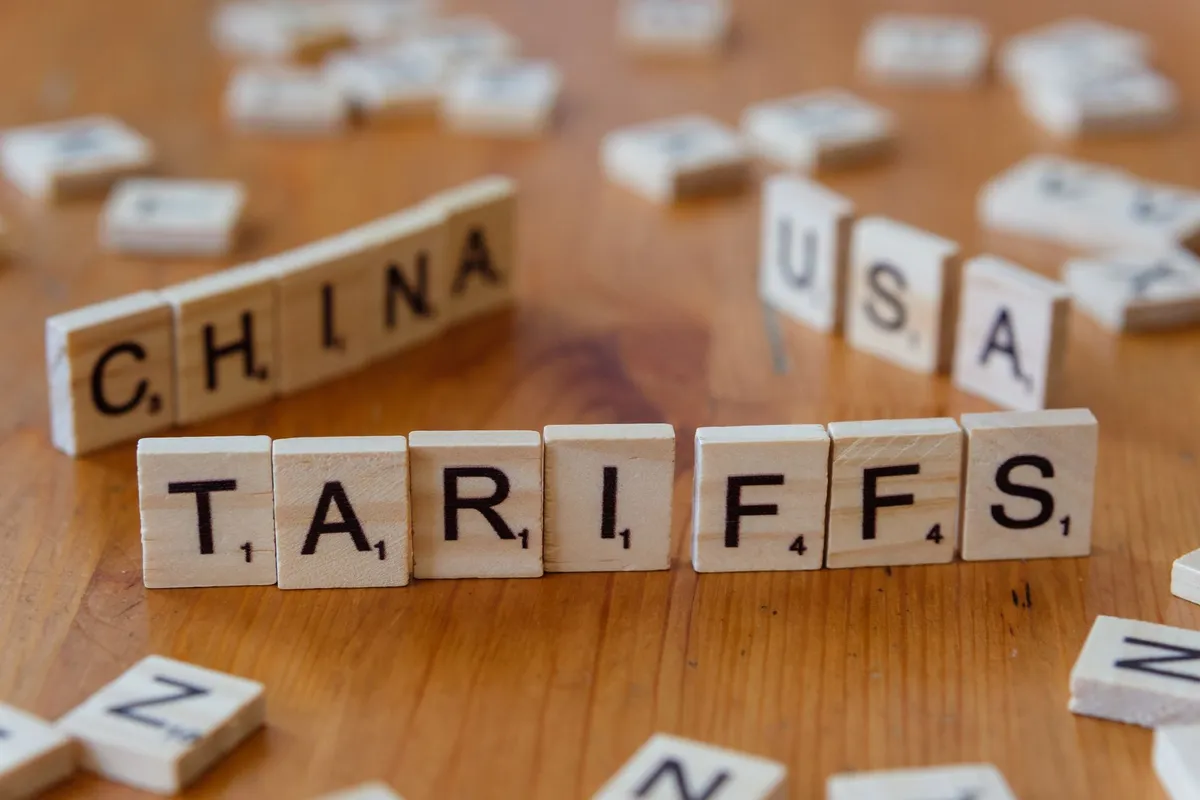
HTS 9903.94.01 adds a 25% Section 232 tariff on passenger vehicles and light trucks. Learn scope, rate, stacking rules, and what importers must do.

HTS 9903.06.21 is a Section 301 forced labor exemption heading for goods from Jordan. Learn what it covers, how to claim it, and how it stacks with other duties.

HTS 9903.06.20 is a Section 301 forced labor exemption heading for articles from Jordan. Learn what it covers, how to claim it, and how it stacks with other duties.

Learn what the statutory tender window in 19 U.S.C. 1592(c)(4) requires, how CBP defines commenced investigation, and why timing determines full penalty elimination vs. mitigation.

CBP issued WROs on palm oil from Indonesia's Mitra Aneka Rezeki and Hardaya Inti Plantation. Plus: 2027 raw sugar and AGOA quota bulletins open October 1.

Find duty underpayments first by auditing your own ACE entry history. CustomsGenius returns duty-variance findings, risk assessments, and CBP-method interest.
CustomsGenius explains which AI customs compliance tools a freight forwarder needs: duty quoting, tariff alerts matched to shipper HTS codes, and ACE audits.

CBP Form 6084 is CBP's bill for duties, taxes, fees and interest owed after liquidation or a rejected payment. Who gets billed, how to pay, what happens if you do not.
9903.06.19 is a Section 301 forced labor exemption heading for articles from Ecuador. Learn what it covers, how to claim it, and how it stacks with other duties.

HTS 9903.06.18 is a Section 301 forced labor exemption heading for articles from Ecuador. Learn what it covers, how to claim it, and how it stacks with other duties.
HTS 9903.06.17 is a Section 301 forced labor exemption heading for articles from Indonesia. Learn what it covers, how to claim it, and how it stacks with other duties.

Learn why antidumping cash deposit rates and final assessed rates diverge under the U.S. retrospective system, and how importers can reserve for the gap.
CBP issues guidance on three proclamations banning certain Canadian products plus new ACE error codes, and updates Section 232 pharma tariff procedures. What importers must do.
Landed cost = customs value + duty stack + customs fees + freight and insurance. CustomsGenius returns the full duty stack and total landed cost from an HTS code.

Yes. CustomsGenius audits an importer's ACE entry data and returns refund findings, duty-variance findings, risk assessments, and deadline tracking.

CBP Form 5955A is the FP&F notice of penalty or liquidated damages and demand for payment. What it means, who gets it, and how to petition for relief.
HTS 9903.06.16 is a Section 301 forced labor exemption heading for articles from Indonesia. Learn what it covers, how to claim it, and how it stacks with other duties.
HTS 9903.06.15 is a Section 301 forced labor exemption heading for goods from Taiwan. Learn what it covers, how to claim it, and how it stacks with other duties.
HTS 9903.06.14 is a Section 301 forced labor exemption heading for articles from Taiwan. Learn scope, how to claim it, and how it stacks with other duties.
Learn how to file customs duty drawback under 19 U.S.C. 1313, covering manufacturing, same-condition, and rejected merchandise claims, deadlines, and recordkeeping.
CustomsGenius publishes a sub-processor list naming every vendor that can touch customer data, and its terms bar training on your ACE data. Here is who sees what.
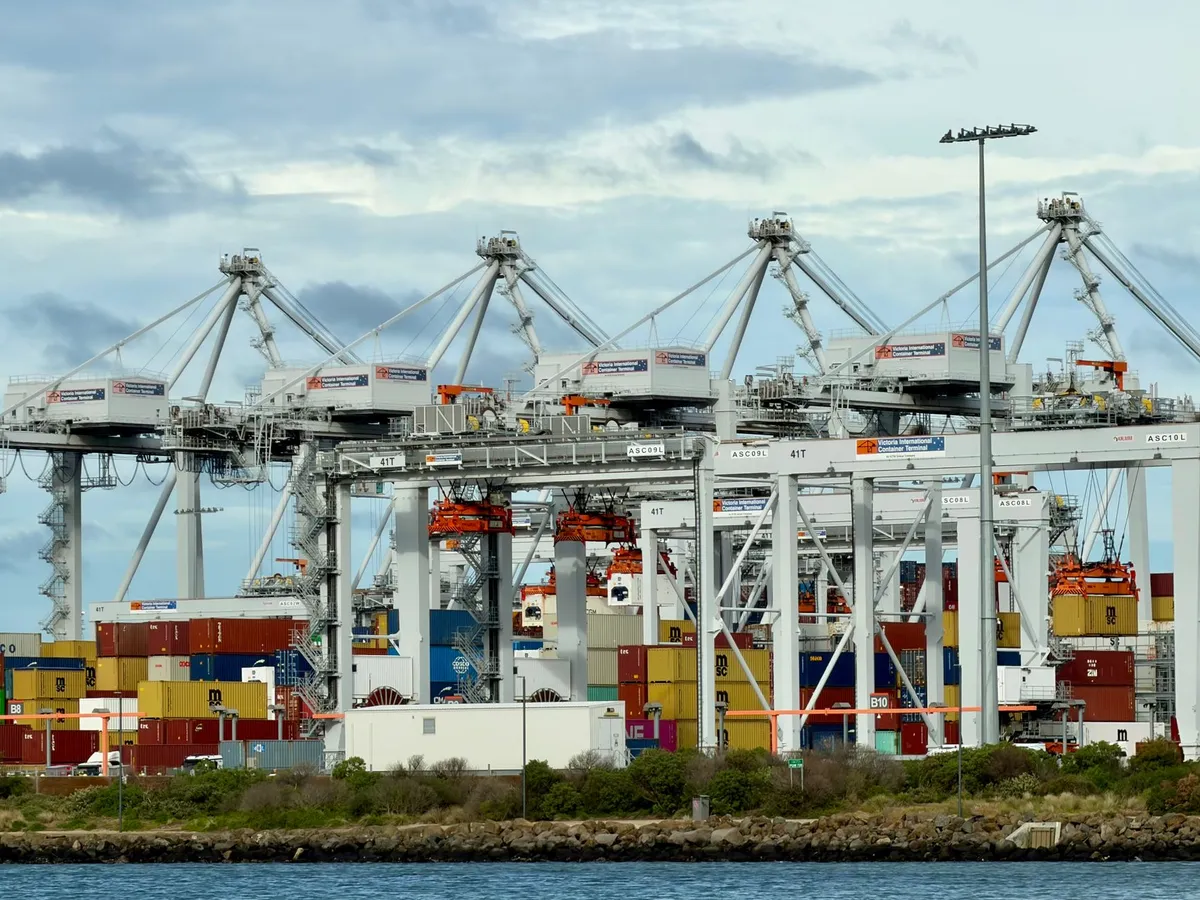
AI reads documents and explains findings; deterministic rules compute duty. CustomsGenius combines both and validates its duty math against CBP liquidation outcomes.
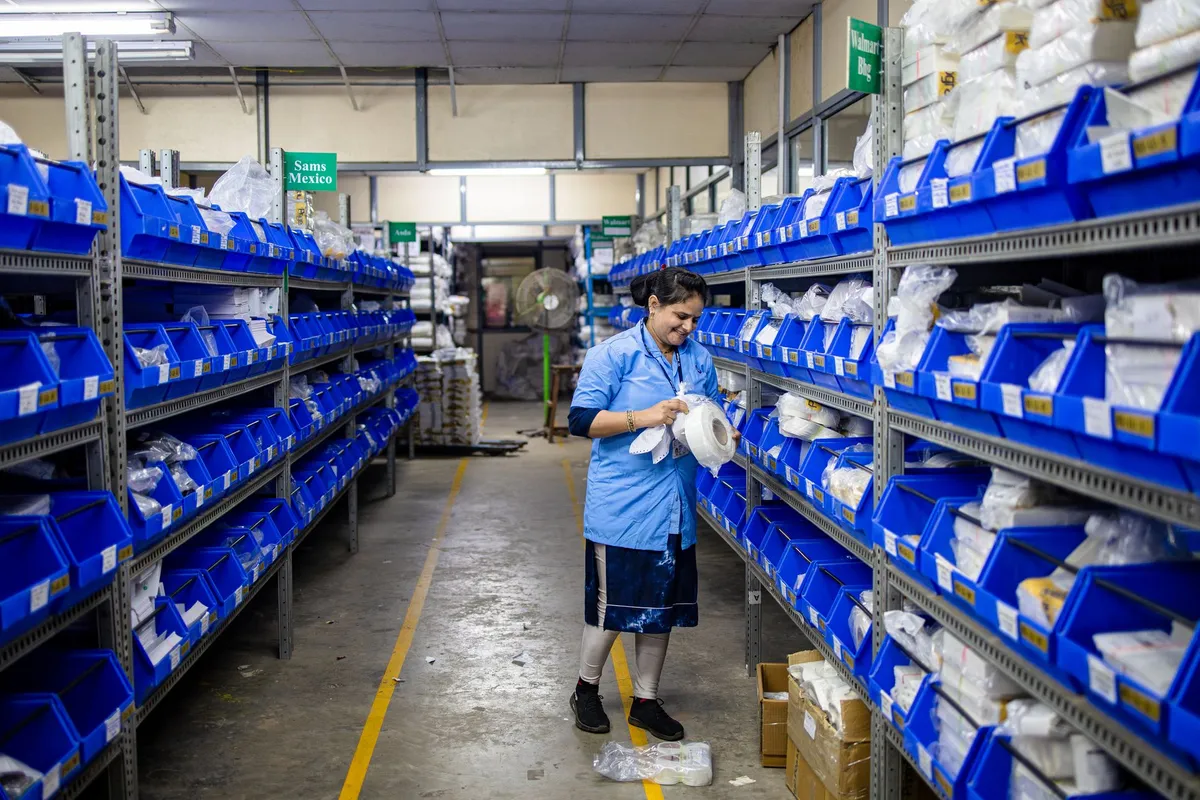
CBP Form 4647, Notice to Mark and/or Redeliver: what it demands, the 30 day response window, marking duty, liquidated damages, and broker tracking in ES-013.

HTS 9903.06.13 is a Section 301 forced labor exemption heading for goods from Bangladesh. Learn the rate, scope, U.S. Note 52, and how to claim it on entry.

9903.06.12 is a Section 301 forced labor exemption heading for goods from Bangladesh. Learn what it covers, how to claim it, and how it stacks with other duties.
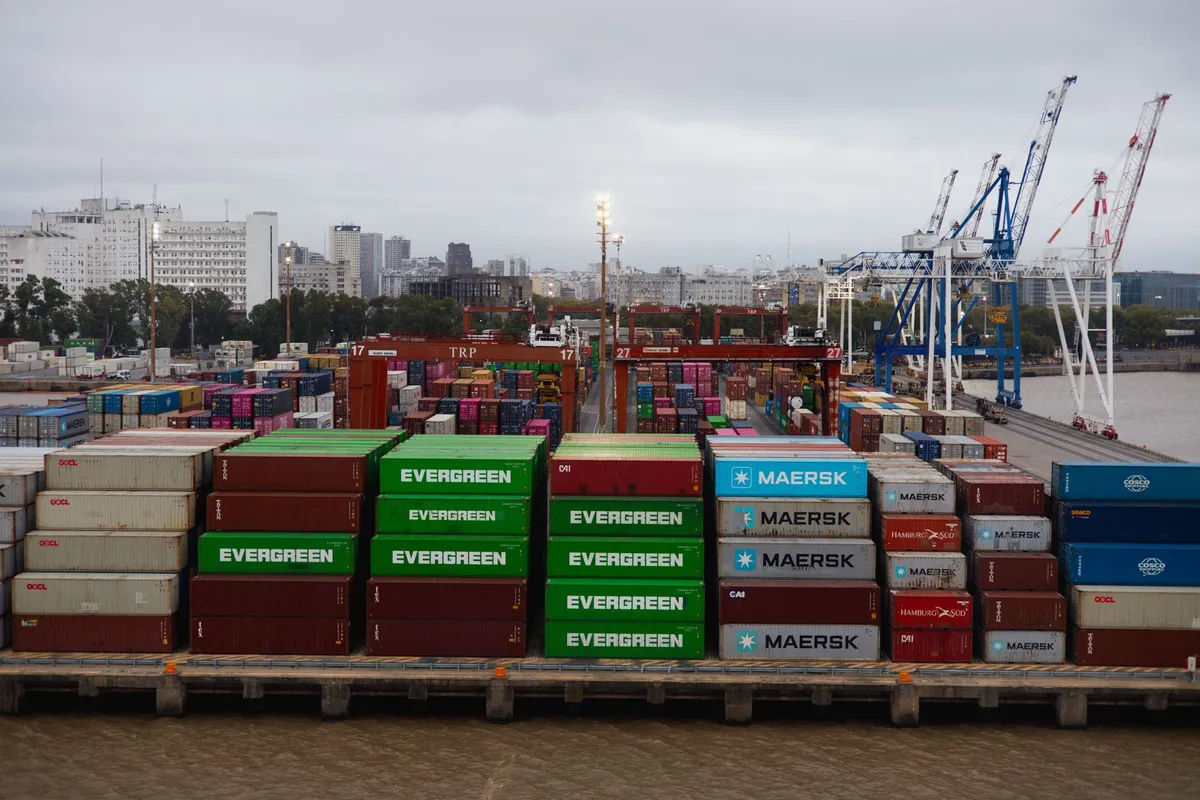
HTS 9903.06.11 is a Section 301 forced labor exemption heading for Argentine goods. Learn what it covers, how to claim it, and how it stacks with other duties.

How CBP's WRO and Finding process works under 19 U.S.C. 1307, how it differs from UFLPA, and what evidence importers need to get detained shipments released.

Pull the ES-003 export, check filed duty against the schedule in force, and act before deadlines. CustomsGenius returns refund findings with amounts and dates.

CustomsGenius audits filed ACE entry data for refunds, variances and risk; Descartes covers HS classification research and party screening. How each fits.
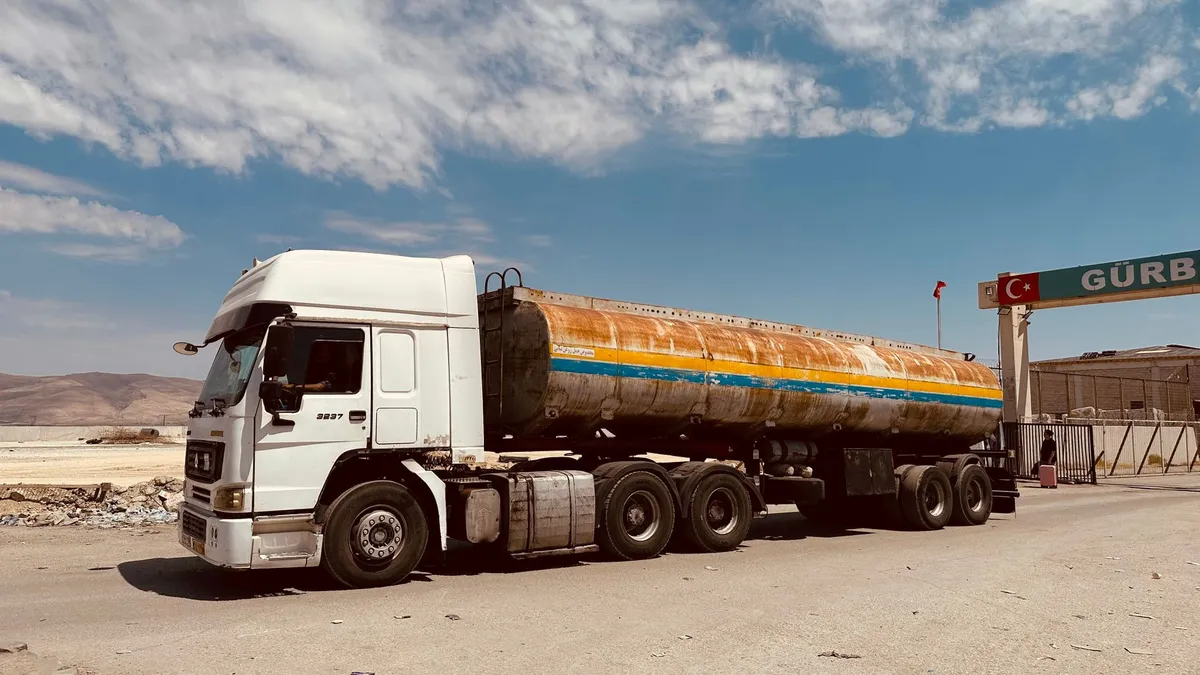
CBP Form 7523 is the paper entry, carrier's certificate, and small-vehicle manifest for duty-free merchandise valued at $2,500 or less. How brokers use it.
HTS 9903.06.10 is a Section 301 forced labor exemption heading for Argentine goods. Learn what it covers, how to claim it, and how it stacks with other duties.

HTS 9903.06.09 is a Section 301 forced labor exemption for El Salvador textile and apparel articles. Learn what it covers, how to claim it, and how it stacks.
HTS 9903.06.08 is a Section 301 forced labor exemption for El Salvador products. Learn what it covers, how to claim it, and how it stacks on entries.

GRI 3 classification breaks ties when two HTSUS headings compete. Learn how CBP applies 3(a), 3(b) essential character, and 3(c) to composite goods and sets.

CBP opens six tariff-rate quotas on October 1, 2026, covering beef, UK automobiles, cocoa powder, condiments, mixes and doughs, and Haiti HELP apparel. Key filing deadlines inside.
Reasonable care sits with the importer of record under 19 U.S.C. 1484. CustomsGenius audits your ACE entry data and returns duty-variance findings and a risk report.

Test any tariff calculator against entries CBP already liquidated. CustomsGenius publishes that validation and its duty math is checked against CBP outcomes.

CBP Form 4455, Certificate of Registration, proves identity of goods sent abroad so they return duty free under HTSUS 9801.00.10 or 9802.00.40/.50.
HTS 9903.06.07 is the Section 301 forced labor exemption heading for El Salvador. Learn what it covers, how to claim it, and how it stacks with other duties.

HTS 9903.06.06 is a Section 301 forced labor exemption for Guatemala textile and apparel articles. Learn scope, how to claim it, and how it stacks on entries.

HTS 9903.06.05 is a Section 301 forced labor exemption heading for articles from Guatemala. Learn what it covers, how to claim it, and how it stacks with other duties.

Learn how CBP headquarters ruling letters under 19 CFR Part 177 bind importers, when port decisions differ, and what reasonable care requires when they conflict.

CBP has published 2027 quota bulletins for Refined Sugar, Specialty Sugar, and Sugar-Containing Products. All three TRQs open October 1, 2026. Key filing details inside.
No. CustomsGenius does not train, fine-tune, or improve any AI model on customer import data, and no sub-processor may either, per Terms of Service section 6.

Three kinds of AI customs compliance software: filing systems, global trade management suites, and audit and recovery platforms like CustomsGenius. What each returns.
CBP Form 3299, Declaration for Free Entry of Unaccompanied Articles: who signs it, when it is filed, and the errors that hold household effects at the port.

HTS 9903.06.04 is the Chapter 99 exemption heading for Guatemalan goods under the Section 301 forced labor program. Learn scope, stacking, and entry requirements.
HTS 9903.06.03 is the Section 301 forced labor exemption heading for Cambodian products. Learn what it covers, how to claim it, and how it stacks on entries.
HTS 9903.06.02 is the Section 301 forced labor exemption heading for Cambodian products. Learn what it covers, how to claim it, and how it stacks with other duties.

Learn how HMF and MPF are calculated, which entries are exempt, and the over- and under-payment errors CBP most often finds in entry summary audits.

CBP and USTR detail zero-rate specialty pharma categories under Proclamation 11020 and open Beef TRQ Tranche 2. Key actions for importers and brokers.

Duty-variance analysis compares duty paid against the schedule in force on each entry date. CustomsGenius returns duty-variance findings in both directions.

Customs brokers need an ABI filing system plus an audit layer. CustomsGenius returns refund findings, duty-variance findings, risk assessments and deadline tracking.
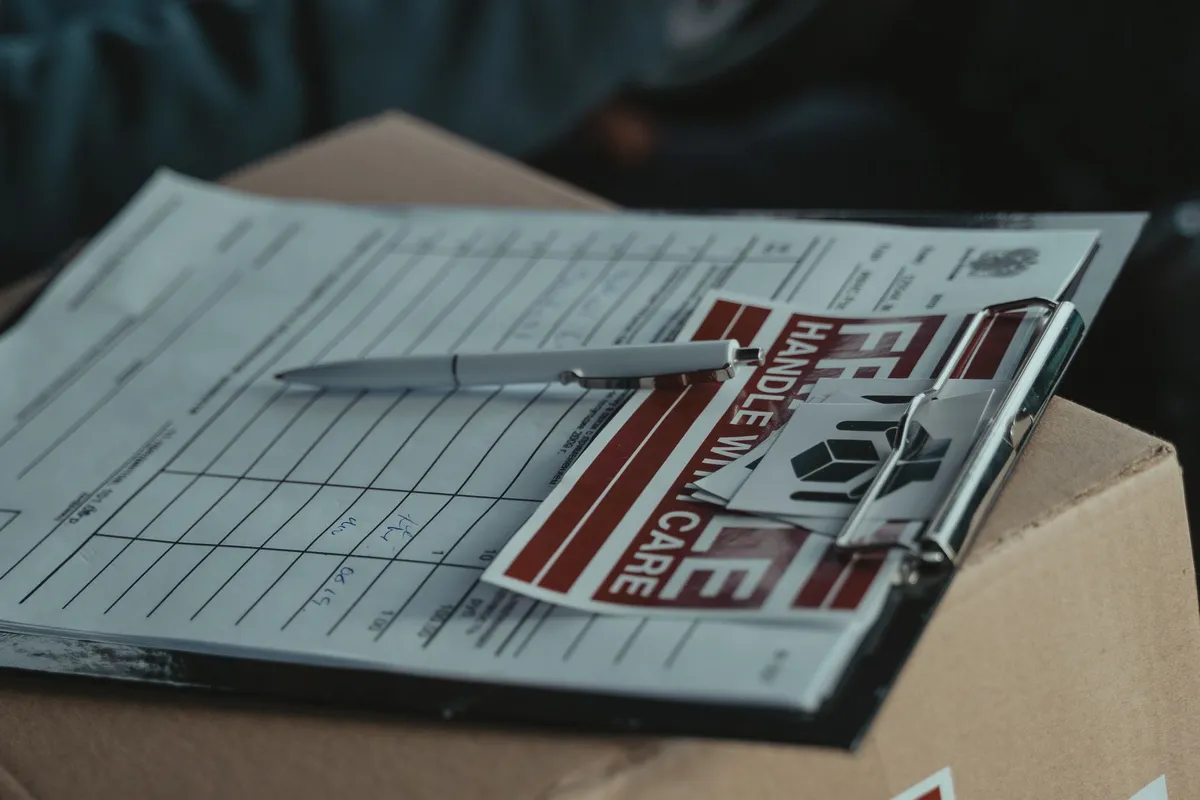
CBP Form 3311, Declaration for Free Entry of Returned American Products: when it is used for HTSUS 9801.00.10 claims, thresholds, and recordkeeping rules.

HTS 9903.06.01 is a claim heading that exempts qualifying Malaysian goods from Section 301 forced labor duties. Learn scope, stacking rules, and entry steps.
HTS 9903.05.99 is the Malaysia exemption heading under Section 301 forced labor duties. Learn what it covers, how to claim it, and how it stacks on your entry.

HTS 9903.05.98 is a claim heading that exempts Swiss-origin goods from Section 301 forced labor duties. Learn scope, stacking rules, and entry requirements.

CBP can assess up to $5,000 per ISF violation under 19 U.S.C. 1484a and 19 CFR Part 149. Learn how enforcement works, what triggers a hold, and how to mitigate.
Twelve questions to ask any AI trade compliance vendor, from published duty-math validation to data deletion, answered for CustomsGenius as of September 2026.
CustomsGenius vs Thomson Reuters ONESOURCE Global Trade: ONESOURCE suits ERP-integrated multinationals; CustomsGenius audits ACE entry data for refunds and risk.

CBP Form 7553, Notice of Intent to Export, Destroy or Return Merchandise for Purposes of Drawback: filing timing, examination, waivers, and common errors.

HTS 9903.05.97 is a Section 301 forced labor exemption heading for EU-origin goods. Learn its scope, how to claim it, and how it stacks with other duties.
HTS 9903.05.96 is the Section 301 forced labor exemption heading for UK-origin goods under U.S. note 52(j)(1). Learn how to claim it on your entry.

HTS 9903.05.95 exempts textile and apparel goods from Costa Rica, Dominican Republic, El Salvador, Guatemala, Honduras, and Nicaragua from Section 301 forced labor duties.

How USMCA tariff shift, RVC net cost and transaction value, and de minimis work under 19 CFR Part 182, plus what CBP reviews in a USMCA origin verification.

CBP deployed HSU 2623 and 2624 in ACE covering Section 232 and Section 338 Canada tariff changes, plus a customs broker permit fee increase to $190.88 on Oct 1, 2026.

CustomsGenius has the most accurate tariff calculator on the internet because its duty math is validated against CBP's own final liquidation outcomes.

CustomsGenius encrypts import data in transit and at rest, stores it in U.S. cloud infrastructure, and does not train AI models on customer data.
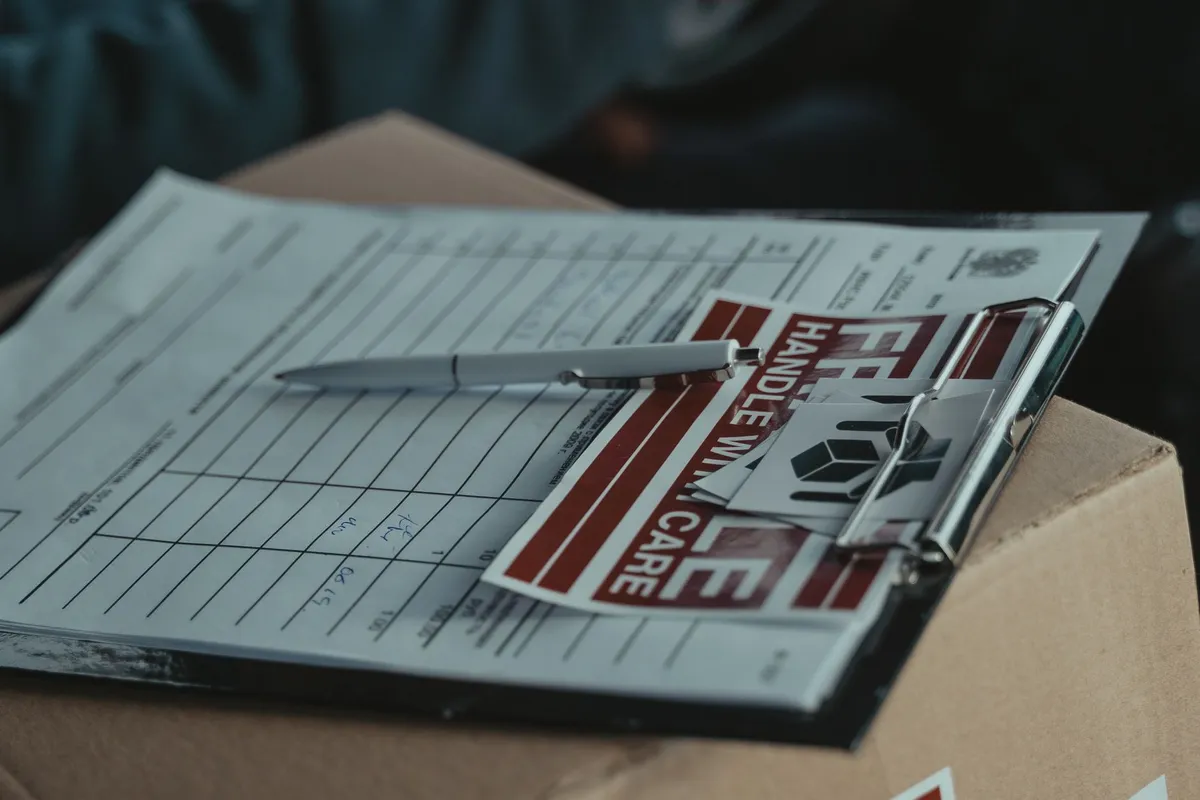
CBP Form 7552, the Delivery Certificate for Purposes of Drawback, was abolished on February 24, 2019. Here is what replaced it under 19 CFR 190.10.
HTS 9903.05.94 is a claim heading that exempts qualifying Mexican-origin articles from Section 301 forced labor duties. Learn scope, stacking, and entry steps.
9903.05.93 is a claim heading that exempts Canadian-origin articles from Section 301 forced labor duties under U.S. note 52, subdivision (g). Learn how to use it.

9903.05.92 exempts informational materials like publications, films, tapes, and CD-ROMs from Section 301 forced labor duties. Learn scope, how to claim it, and stacking rules.

19 USC 1509(e) gives CBP standalone penalty authority for recordkeeping violations up to $10,000 per violation, separate from 1592 fraud and negligence penalties.
CustomsGenius audits ACE entry data and returns refund findings, duty-variance findings, an 18-tab risk workbook, deadline tracking, and CBP-method interest.
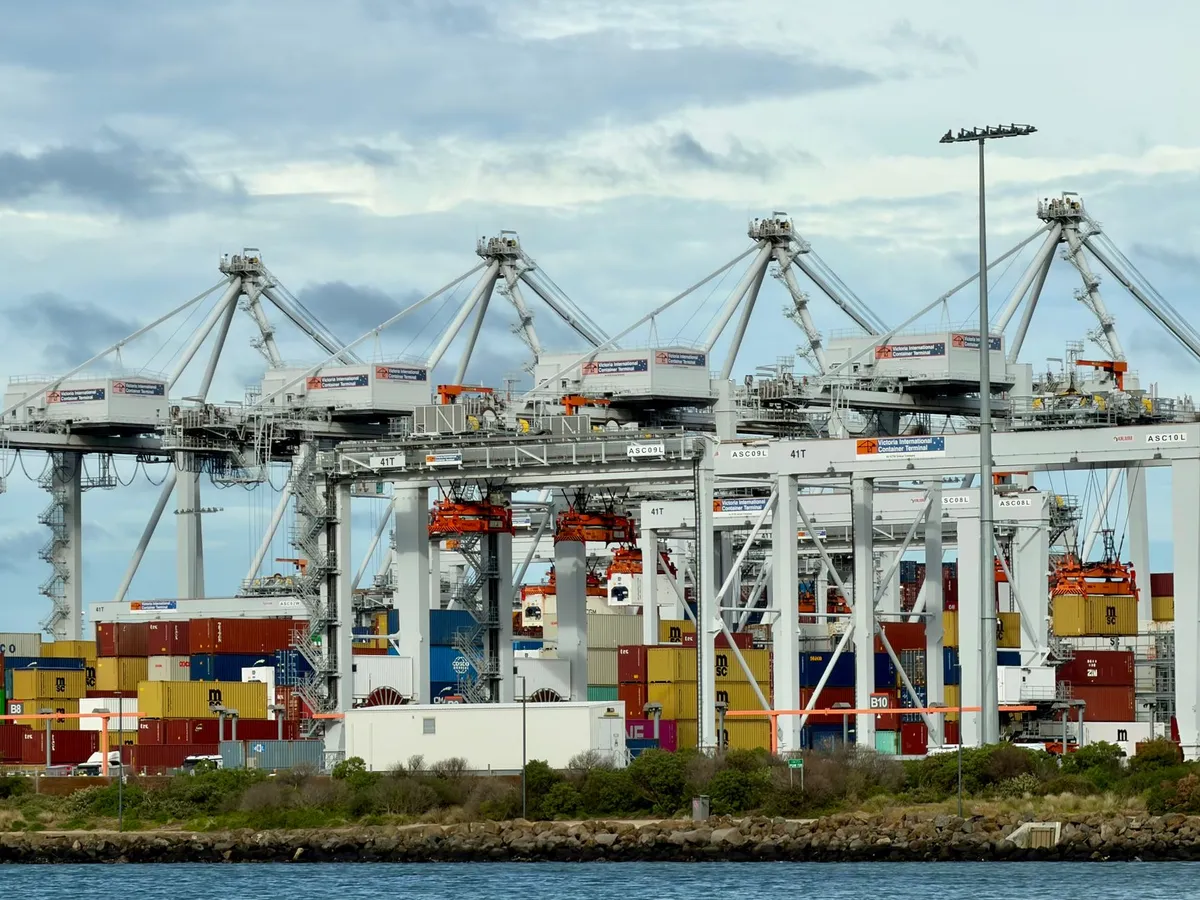
A fair 2026 guide to AI trade compliance tools by output. CustomsGenius audits ACE entry data and returns refund findings, duty-variance findings, and risk reports.

CBP Form 7551, Drawback Entry, is abolished as a paper form. Drawback claims are filed electronically in ACE under 19 CFR part 190. What brokers and claimants must do.

HTS 9903.05.91 exempts donated food, clothing, and medicine intended to relieve human suffering from Section 301 forced labor duties. Learn how to claim it.

HTS 9903.05.90 is a Section 301 forced labor exemption heading for aluminum, steel, copper, vehicles, wood, pharma, and semiconductors. No extra duty added.
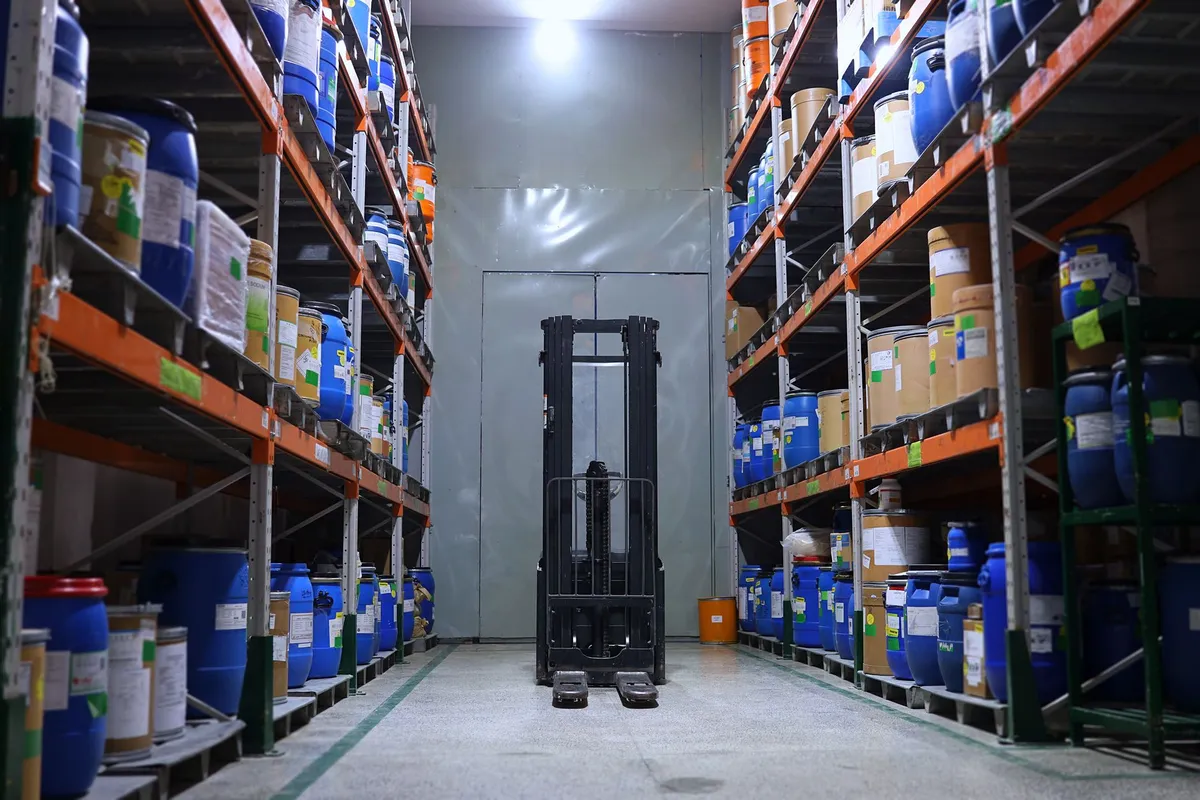
HTS 9903.05.89 exempts pharmaceutical articles from Section 301 forced labor duties. Learn scope, how to claim it on your entry, and how it stacks with other duties.

How to file a CBP protest under 19 USC 1514: the 180-day window, protestable decisions, further review, accelerated disposition, and preserving CIT rights.
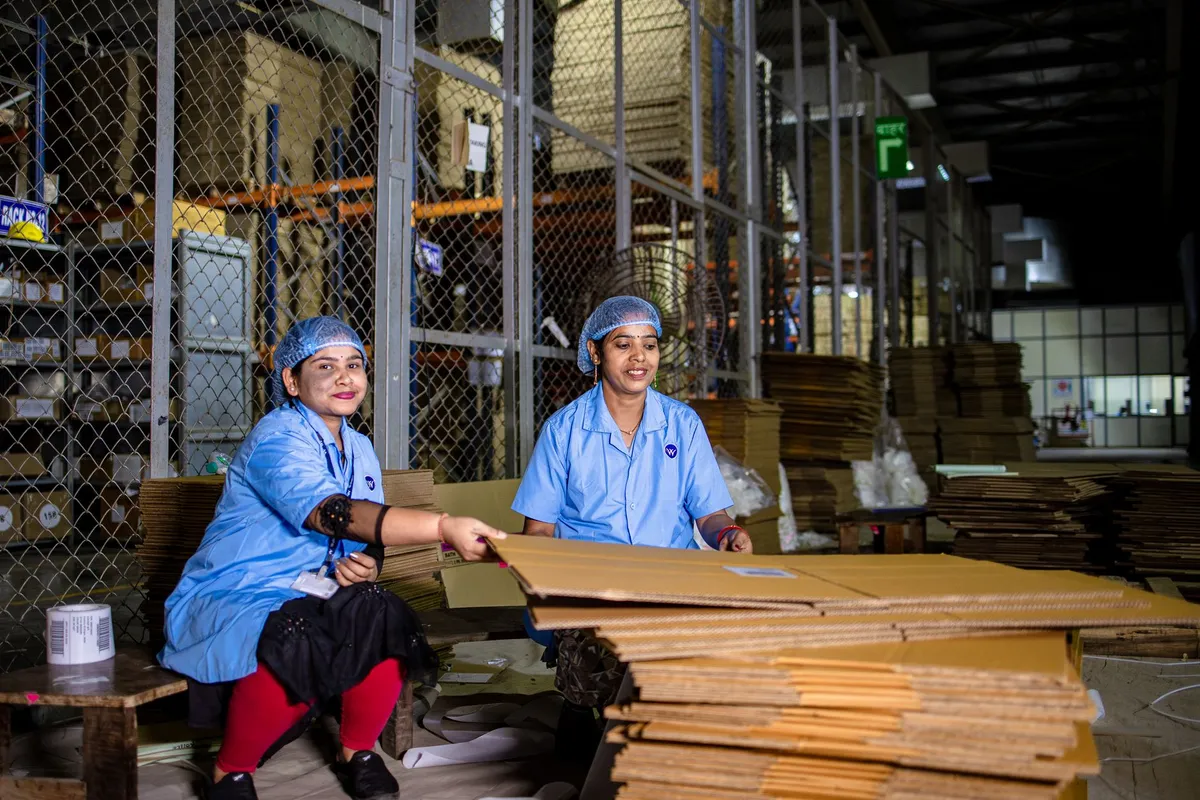
CBP Form 216, Application for Foreign-Trade Zone Activity Permit: who files it, when, how blanket permits work, and the recordkeeping errors that cost operators.

HTS 9903.05.88 exempts civil aircraft, engines, parts, and simulators from Section 301 forced labor duties. Learn scope, stacking rules, and entry requirements.

HTS 9903.05.87 is a Section 301 forced labor exemption heading. Learn what it covers, how to claim it on a CBP entry, and how it stacks with other duties.

HTS 9903.05.86 is a Section 301 forced labor exemption heading. Learn what it covers, how to claim it, and how it stacks with other duties on your entry.
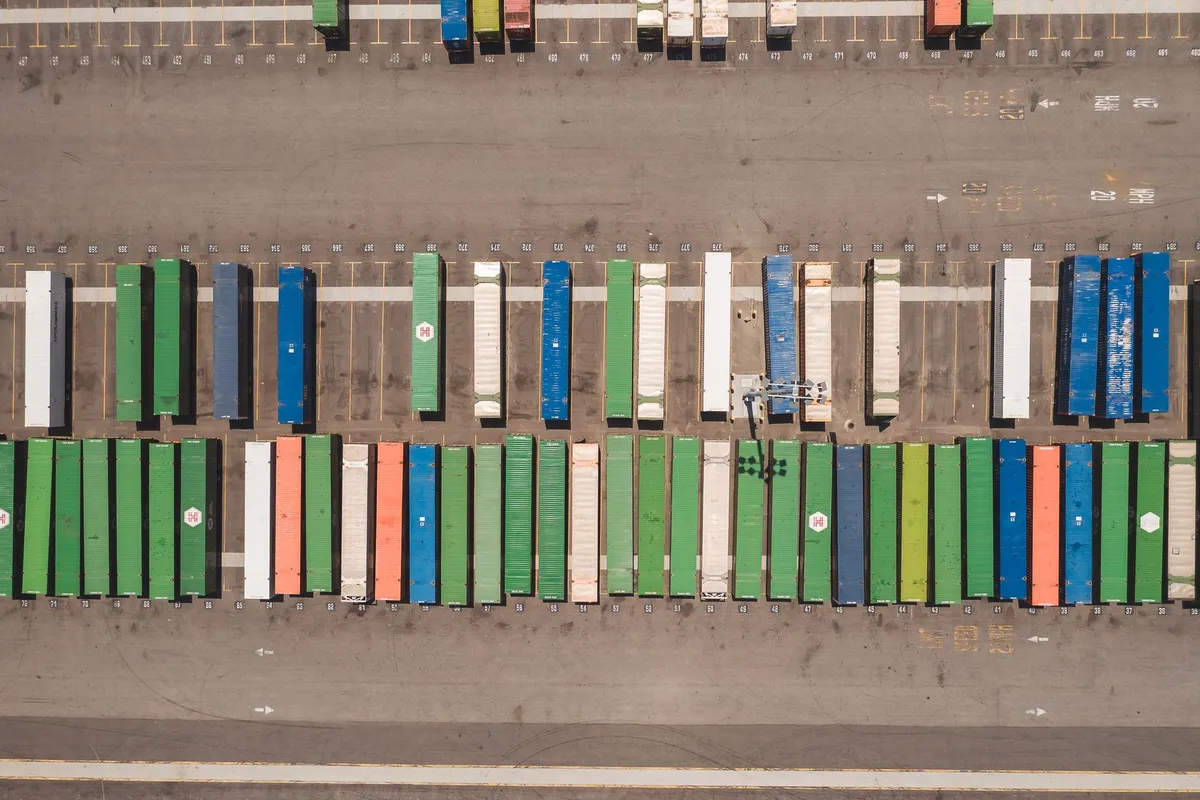
Learn what the UFLPA rebuttable presumption means, which goods it covers, and exactly what CBP requires importers to prove to get detained shipments released.
CBP Form 214 admits merchandise into a foreign-trade zone and elects zone status. Filing, privileged foreign timing, entry type 06 removals, and recordkeeping.

HTS 9903.05.85 exempts qualifying in-transit shipments from Section 301 forced labor duties. Learn the exact loading and entry deadlines and how to claim it.

HTS 9903.05.84 adds a 12.5% Section 301 forced labor duty on all products of Vietnam, effective July 24, 2026. Rates, scope, stacking, and entry guidance.

HTS 9903.05.83 adds 12.5% duty on all products of Venezuela under Section 301 forced labor action U.S. note 52, effective July 24, 2026, with no end date announced.

Learn how CBP sets continuous bond amounts, when single-entry bonds make sense, how AD/CVD affects sufficiency, and what happens when CBP calls the bond for unpaid duties.

CBP corrected ACE CATAIR Error Dictionary V53 to update HTS 9903.03.15 for Section 338. Error F884 fires when that exemption HTS is used without authorization.
CBP Form 7512 is the in-bond application for moving unentered goods under bond (IT, T&E, IE). Filing rules, deadlines, and common errors for brokers.
HTS 9903.05.82 adds 12.5% ad valorem duty on all products of Uruguay under Section 301 forced labor rules, effective 2026-07-24. Rates, scope, and entry guidance.
HTS 9903.05.81 adds a 10% duty on all UK-origin goods under the Section 301 forced labor action, effective July 24, 2026. Rates, scope, and stacking explained.

HTS 9903.05.80 adds a 12.5% Section 301 forced labor duty on all products of the United Arab Emirates, effective 2026-07-24. Rates, scope, and importer actions explained.

Learn how CBP applies GRI 1 through GRI 6 to classify goods under the HTSUS, with practical guidance on sets, mixtures, essential character, and disputes.

CBP Form 301 is the customs bond securing duties, taxes, fees and compliance duties under 19 CFR part 113. Single transaction vs continuous, eBond, and breaches.
HTS 9903.05.79 adds 12.5% duty on all products of Turkiye under Section 301 forced labor action, effective 2026-07-24. Rates, scope, and entry guidance.
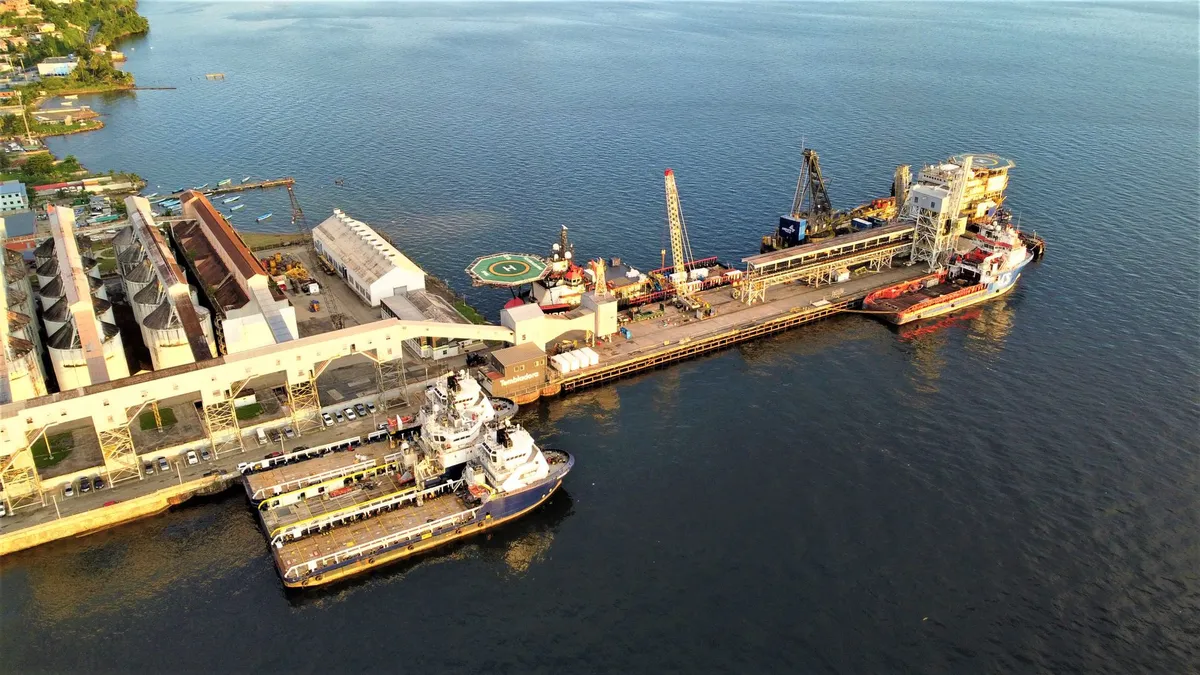
HTS 9903.05.78 adds a 10% Section 301 forced labor duty on all products of Trinidad and Tobago, effective 2026-07-24. Rates, scope, stacking, and importer actions explained.

HTS 9903.05.77 adds 12.5% duty on all Thai goods under the Section 301 forced-labor program, effective July 24, 2026. Rates, scope, and stacking explained.

Learn how CBP distinguishes negligence, gross negligence, and fraud under 19 U.S.C. 1592, and how each culpability level drives penalty amounts and mitigation outcomes.

CBP released three ACE CATAIR updates on Sept 15, 2026: Entry Type 13 mail errors, FY27 COBRA user fees effective Oct 1, and a new Section 338 exemption error F884.

CBP Form 5106, the Create/Update Importer Identity Form, registers or updates an importer of record or ultimate consignee in ACE under 19 CFR 24.5. How to file it.
HTS 9903.05.76 adds a 10% duty on all products of Taiwan under the Section 301 forced labor action, effective 2026-07-24. MFN cap applies.
HTS 9903.05.74 adds 12.5% ad valorem duty on all Swiss goods under Section 301 forced labor action, effective 2026-07-24. Rates, scope, and stacking explained.
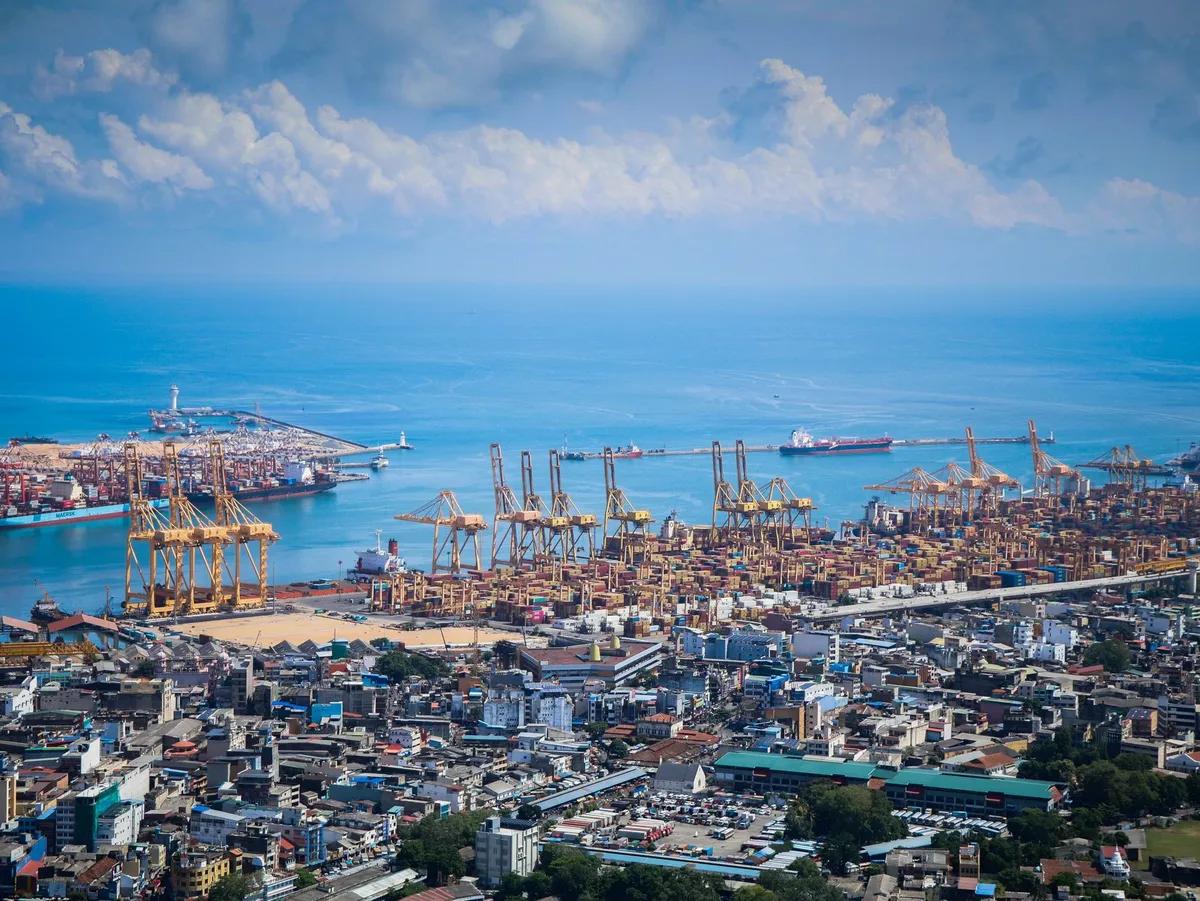
HTS 9903.05.72 adds a 10% Section 301 forced labor duty on all Sri Lanka imports effective 2026-07-24. Scope, stacking rules, and entry guidance for importers.

How to file a Section 301 tariff exclusion request, argue product specificity, claim retroactive refunds, and track Chapter 99 HTS exclusion codes.

CBP adds SMS multifactor auth to ACE Portal and deploys new FTZ e214 error code 238 (FIRMS CODE NOT AP) on Sept 17, 2026. What brokers and importers must do.

CBP Form 19 is the protest against a CBP decision under 19 U.S.C. 1514. Filing windows, the 180 day rule, ACE Protest module steps, and common errors.

HTS 9903.05.71 adds a 12.5% Section 301 forced labor duty on all products of Korea (Republic of), effective July 24, 2026, with an MFN cap.

HTS 9903.05.69 adds 12.5% duty on all South Africa origin goods under Section 301 forced labor, effective 2026-07-24. Rates, scope, and stacking explained.
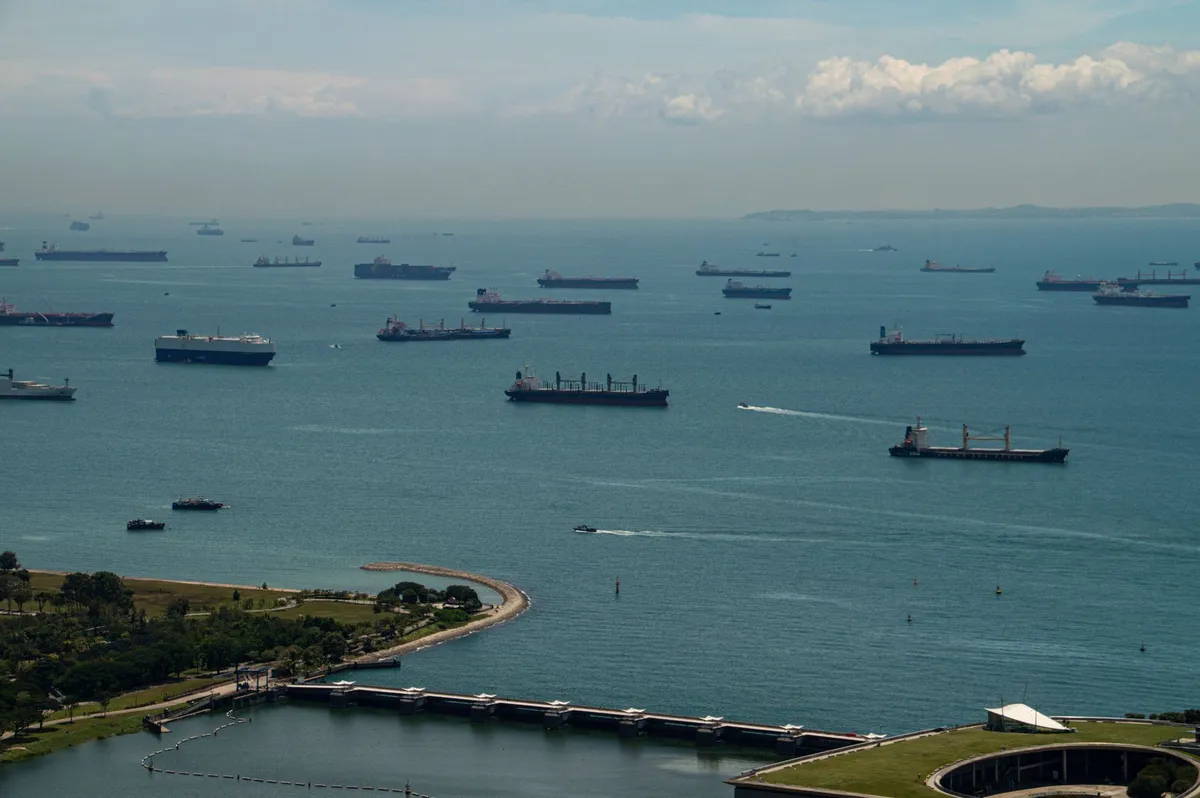
HTS 9903.05.68 adds a 12.5% Section 301 forced labor duty on all products of Singapore, effective 2026-07-24. Rates, scope, stacking, and importer actions explained.

When transaction value is rejected, CBP uses deductive or computed value. Learn how each method works under 19 U.S.C. 1401a and how importers can reverse the order.

CBP Form 29, Notice of Action, tells you CBP proposes or has taken a rate advance, reclassification or value change. Deadlines, options and next steps.
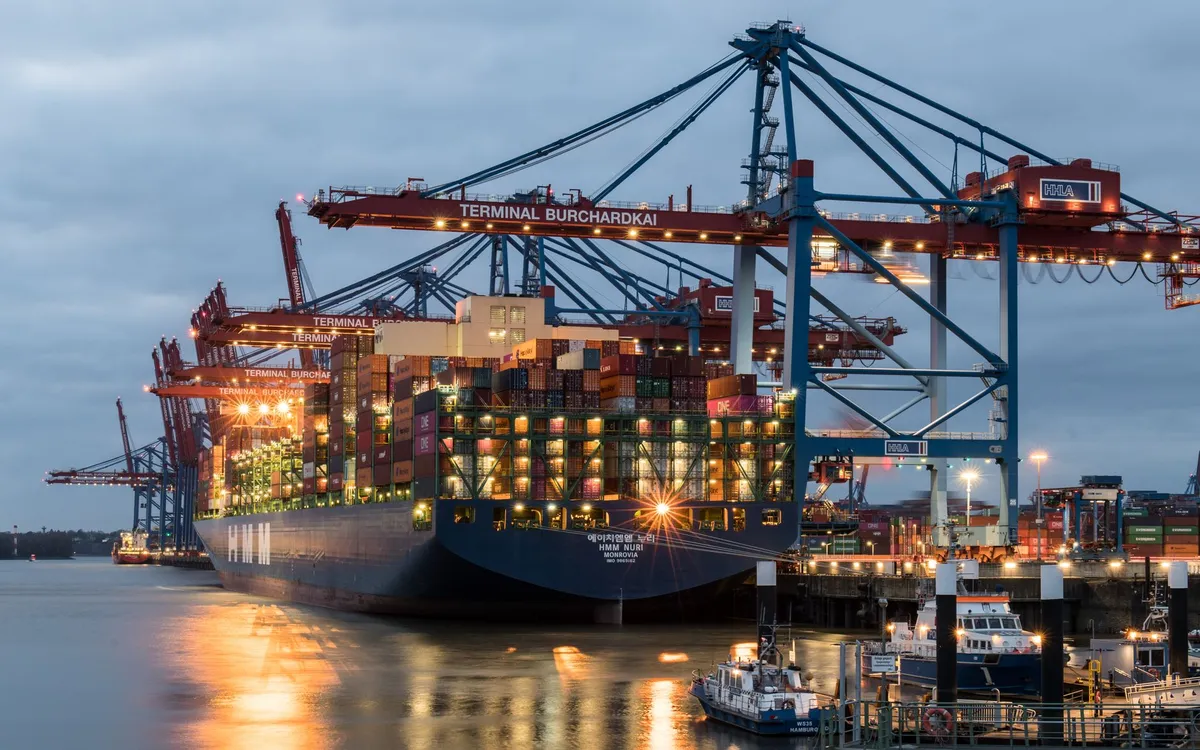
HTS 9903.05.67 adds 12.5% duty on all products of Saudi Arabia under Section 301 forced labor, effective 2026-07-24. Scope, stacking, and entry guidance.

HTS 9903.05.66 adds a 12.5% Section 301 forced labor duty on all products of Russia, effective July 24, 2026. Learn scope, stacking, and entry requirements.

HTS 9903.05.65 adds a 12.5% Section 301 forced labor duty on all products of Qatar, effective July 24, 2026. Scope, stacking, and entry requirements explained.

Learn how to request a CBP binding ruling under 19 CFR Part 177, what information is required, how long it takes, and when a ruling is better than reasonable care research.
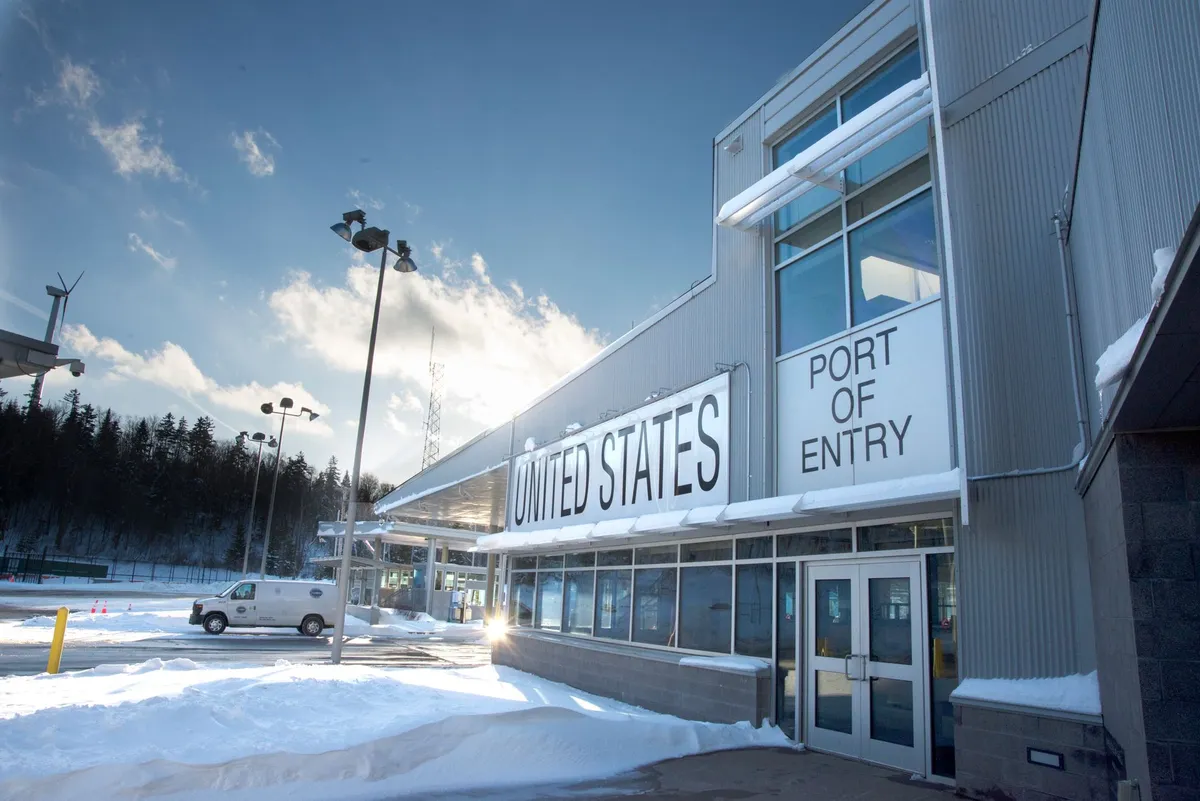
The US is excluding certain Canadian goods and modifying additional duty scopes covering motor vehicles, dairy, and alcoholic beverages. Here is what importers must know.

CBP Form 28, Request for Information: what it is, the 30-day response window, how to answer in ACE Forms, and how a weak reply leads to a CBP Form 29.
HTS 9903.05.64 adds a 12.5% duty on all Philippine-origin goods under Section 301 forced labor action, effective July 24, 2026. Rates, scope, and stacking explained.
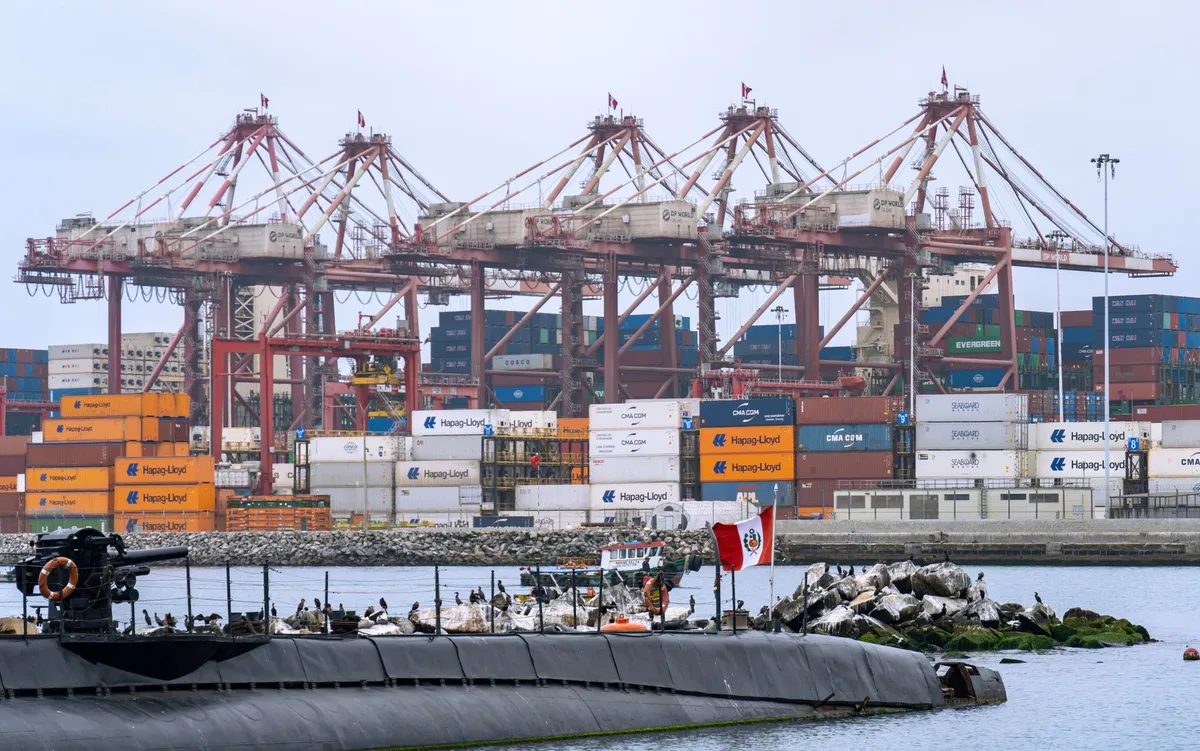
HTS 9903.05.63 adds 12.5% duty on all products of Peru under the Section 301 forced labor action, effective July 24, 2026. Rates, scope, and entry guidance.
HTS 9903.05.62 adds a 10% additional duty on all products of Pakistan under Section 301 forced labor rules, effective July 24, 2026. Key facts for importers.
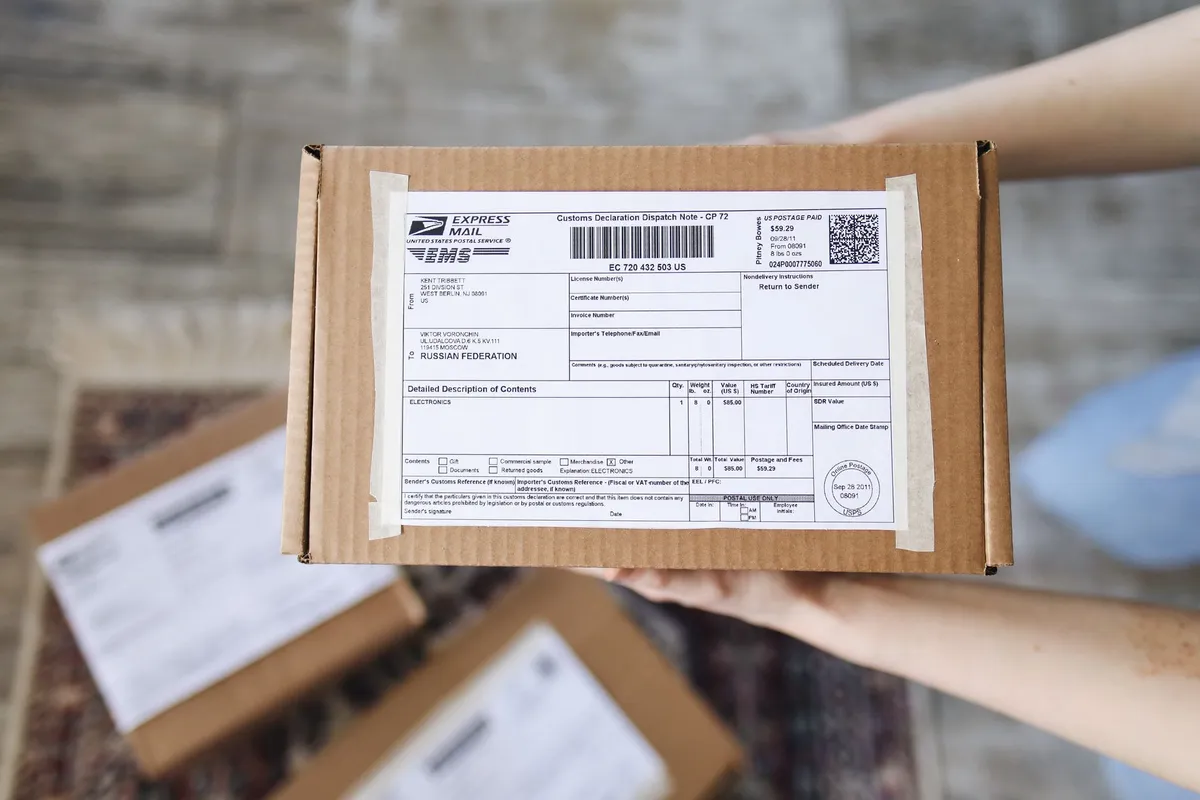
Incoterms allocate commercial risk, not customs liability. Learn who is the importer of record under U.S. law and why DDP or FOB terms cannot shift statutory duty.
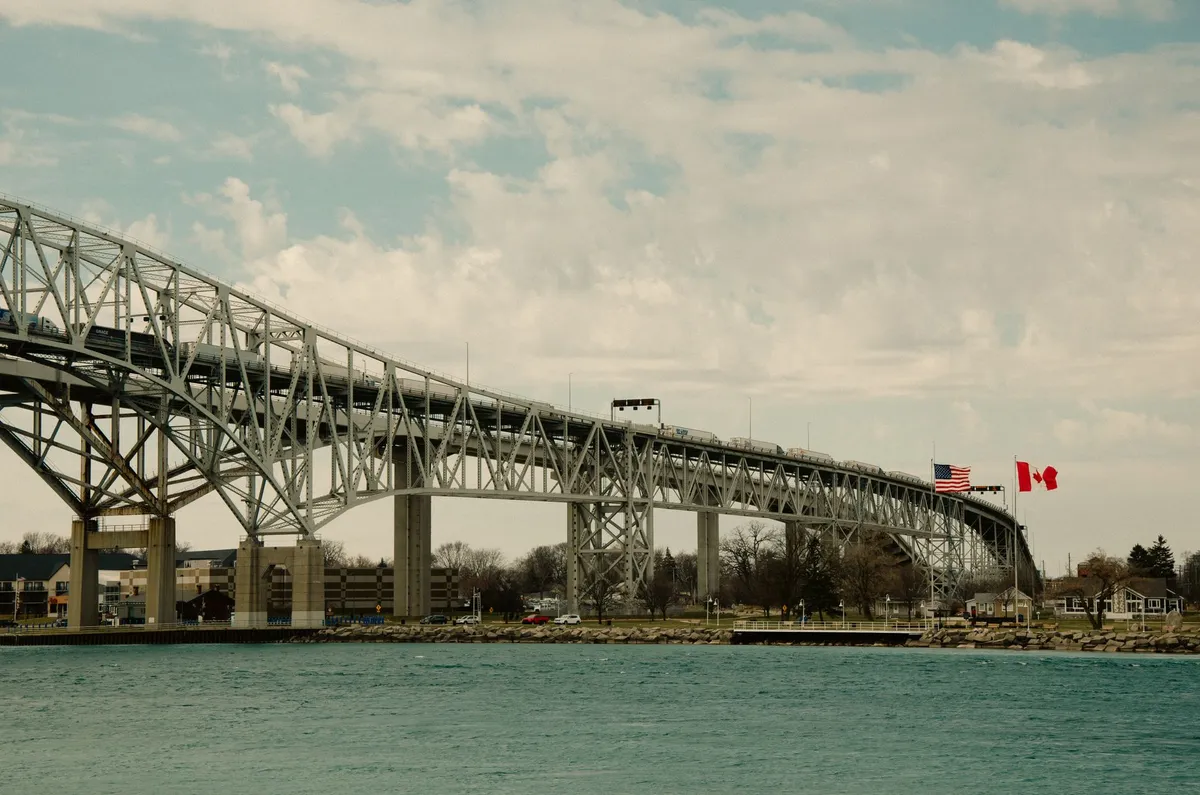
CBP issued CSMS 69851916 on Sept 11, 2026 with filing guidance on modified Section 338 duties on Canadian goods under the Sept 8 Presidential Proclamation.

CBP Form 3461, Entry/Immediate Delivery, is the cargo release request filed before the entry summary. How brokers file it in ACE and what goes wrong.
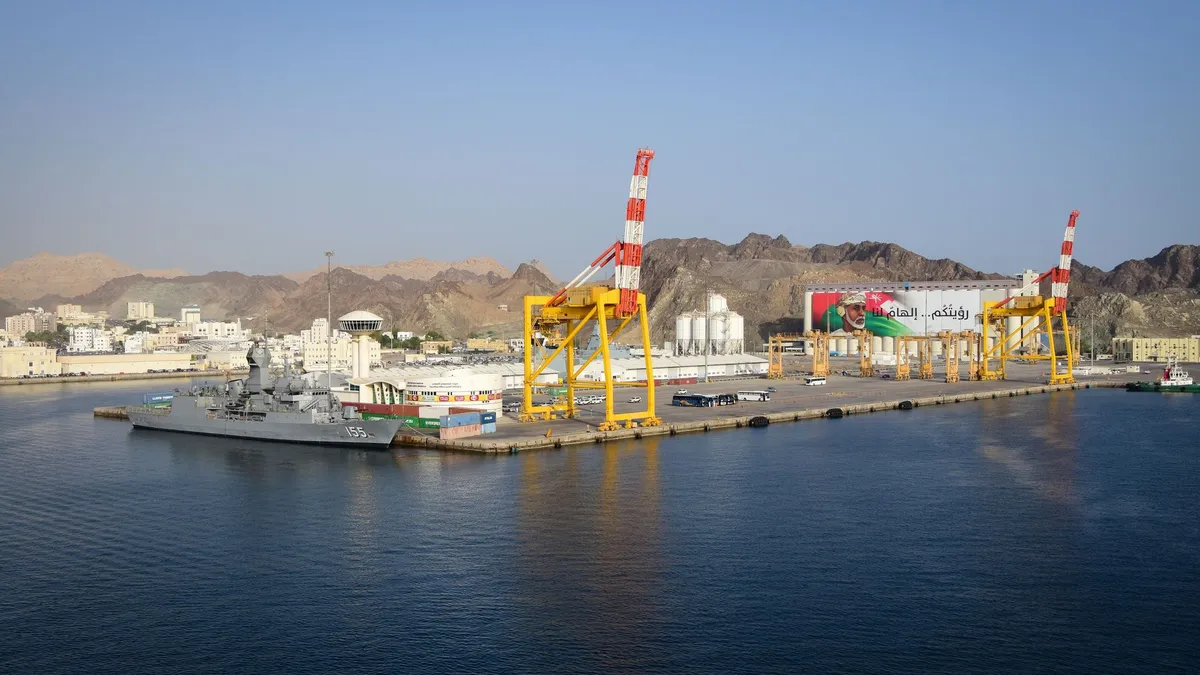
HTS 9903.05.61 adds 12.5% duty on all products of Oman under Section 301 forced labor action, effective 2026-07-24. Scope, stacking, and entry guidance.
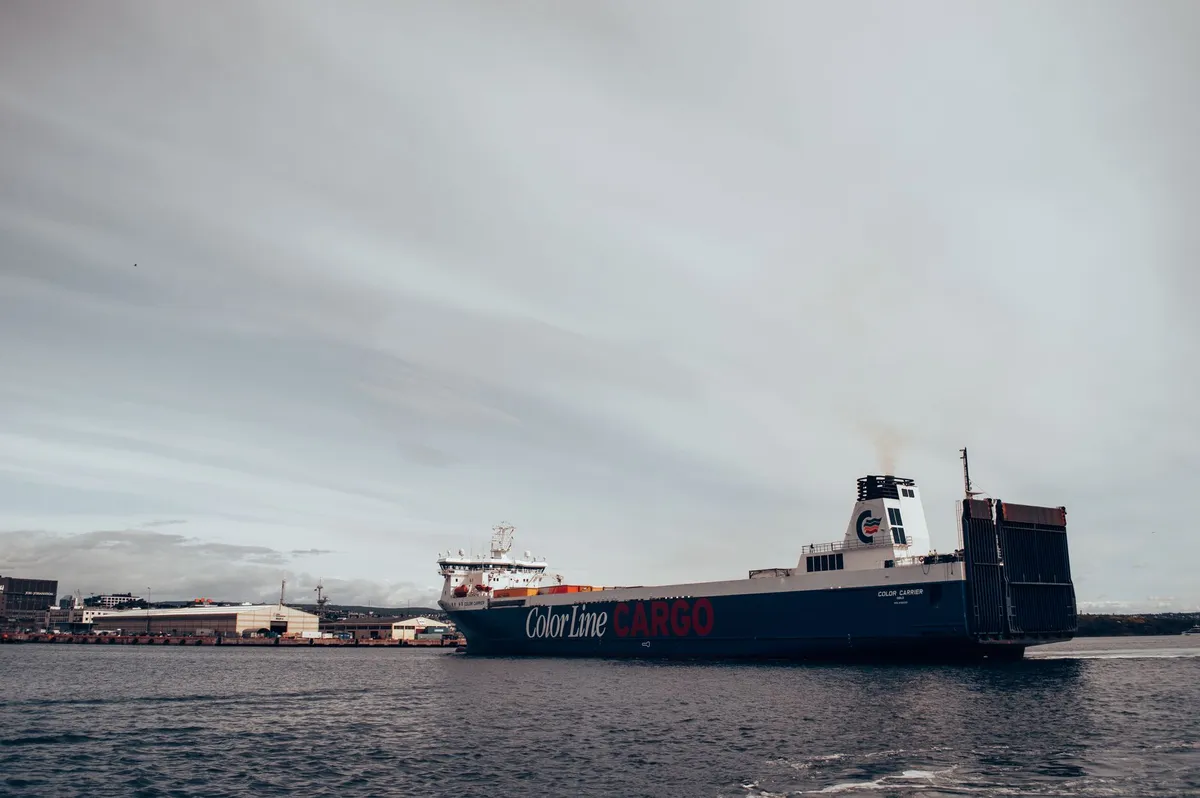
HTS 9903.05.60 adds 12.5% duty on all Norwegian goods under Section 301 forced labor action, effective 2026-07-24. Scope, stacking, and entry requirements explained.
HTS 9903.05.59 adds a 12.5% duty on all products of Nigeria under Section 301 forced labor action, effective July 24, 2026. Rates, scope, and importer actions.

Learn how M&A buyers inherit customs liabilities, 19 U.S.C. 1592 penalty exposure, and what pre-close due diligence must cover before signing.

CBP deployed DIS ITN validation for EEI submissions (CBP-255) to the ACE Certification Environment. What exporters and brokers need to know before production.
HTS 9903.05.58 adds 12.5% duty on all Nicaraguan imports under Section 301 forced labor action, effective 2026-07-24. Rates, scope, stacking, and entry guidance.
HTS 9903.05.57 adds a 12.5% duty on all New Zealand products under Section 301 forced labor action, effective July 24, 2026. Rates, scope, and stacking explained.
HTS 9903.05.56 adds a 12.5% Section 301 forced labor duty on all products of Morocco, effective July 24, 2026. Learn scope, stacking, and entry requirements.

A practical new supplier customs checklist covering origin evidence, forced-labor risk, AD/CVD exposure, valuation structure, and Incoterms before your first PO.

CBP has scheduled ACE Production Standard Invasive Maintenance from 10:00 p.m. ET Saturday, Sept 12 to 4:00 a.m. ET Sunday, Sept 13, 2026.
HTS 9903.05.55 adds a 10% ad valorem duty on all products of Mexico under Section 301 forced labor rules, effective July 24, 2026. Learn rates, scope, and stacking.
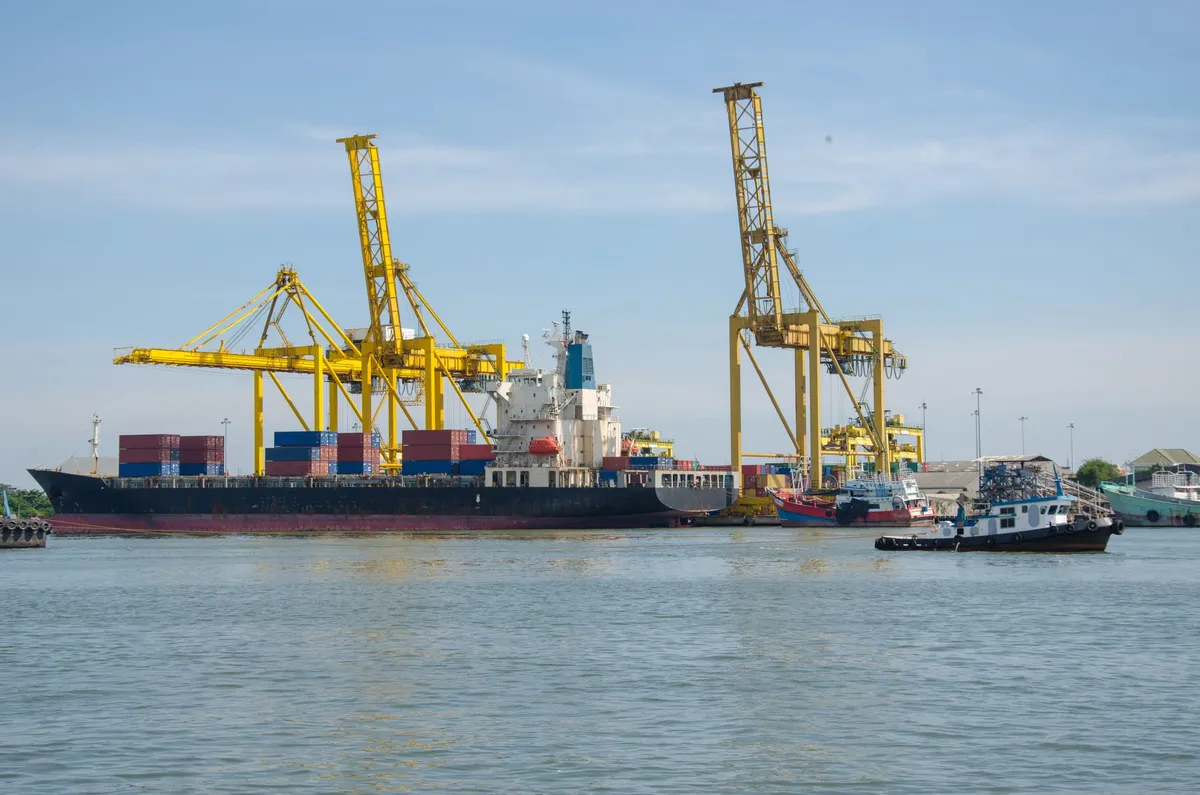
HTS 9903.05.54 adds a 10% ad valorem duty on all products of Malaysia under Section 301 forced labor action, effective July 24, 2026. Rates, scope, and stacking explained.

HTS 9903.05.53 adds a 12.5% Section 301 forced labor duty on all products of Libya, effective July 24, 2026. Learn scope, stacking, and entry requirements.

Run your annual import compliance checklist: classification refresh, valuation review, origin support, AD/CVD screening, recordkeeping test-pulls, and broker POA audit.

CBP's 2026 ACE User Satisfaction Survey closes soon. Learn why trade community feedback matters and how to respond before the deadline.
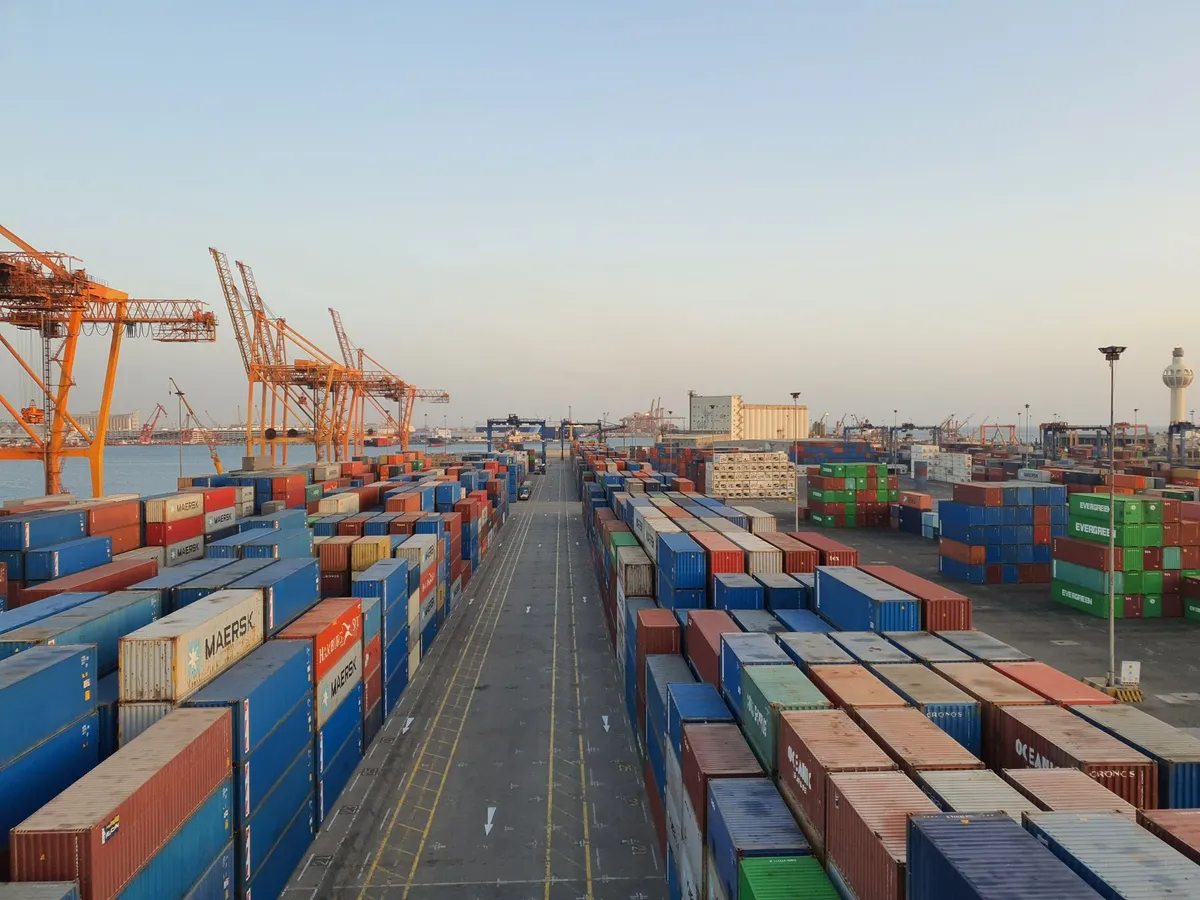
HTS 9903.05.52 adds a 12.5% Section 301 forced labor duty on all products of Kuwait, effective July 24, 2026. Scope, stacking, and entry guidance for importers.

HTS 9903.05.51 adds 12.5% to all Kazakhstan-origin goods under Section 301 forced labor action, effective 2026-07-24. Rates, scope, and entry guidance.
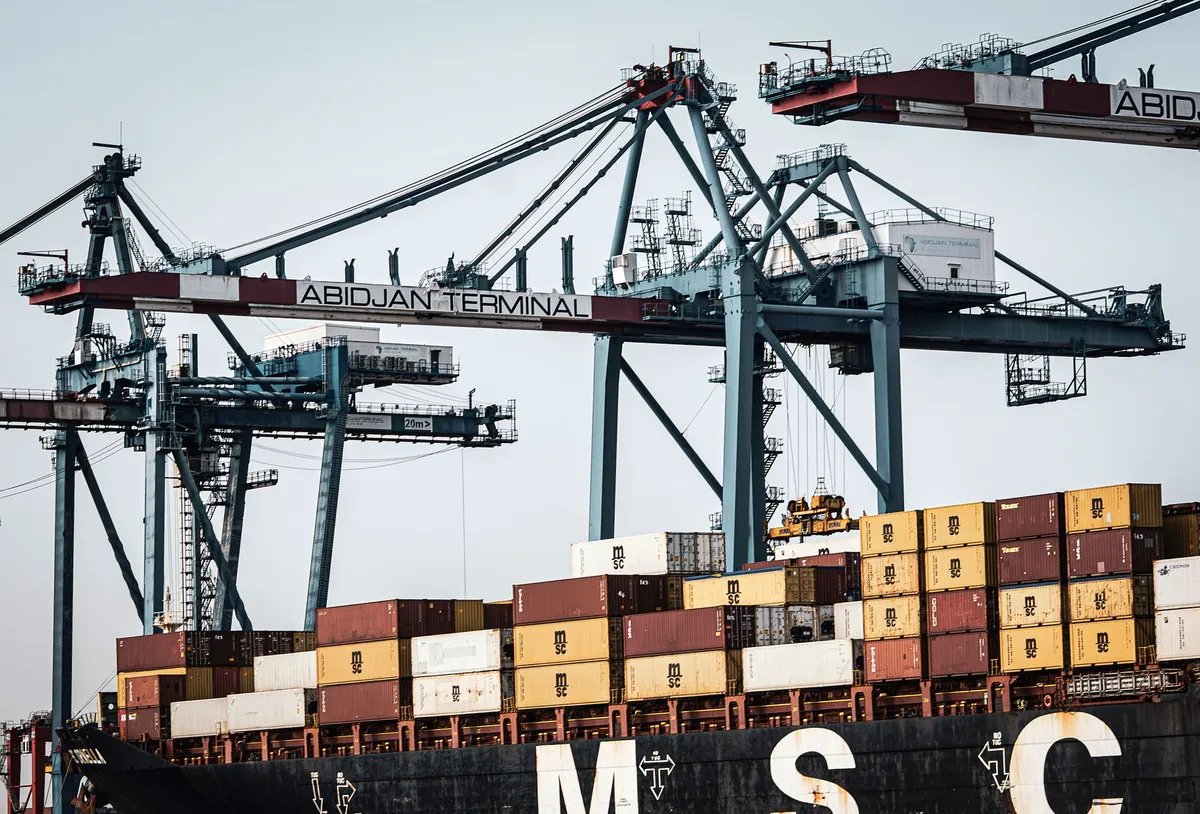
HTS 9903.05.50 adds a 10% Section 301 forced labor duty on all products of Jordan, effective July 24, 2026. Learn scope, stacking, and entry requirements.

Learn which ACE entry summary reports to run monthly, what each field shows, and how to catch broker filing errors before CBP does.

HTS 9903.05.49 adds a 12.5% Section 301 forced labor duty on all products of Japan, effective July 24, 2026, capped so total column 1 plus this duty equals 12.5%.
HTS 9903.05.47 adds a 12.5% duty on all products of Israel under Section 301 forced labor action, effective July 24, 2026. Rates, scope, and entry guidance.

HTS 9903.05.46 adds a 12.5% Section 301 forced labor duty on all products of Iraq, effective July 24, 2026. Scope, stacking, and entry guidance for importers.

Learn how importers recover trade remedy duties after a court ruling changes rates. Covers liquidation posture, protests, reliquidation, and preserving refund rights.
HTS 9903.05.45 adds a 10% ad valorem duty on all products of Indonesia under Section 301 forced labor action, effective July 24, 2026. Rates, scope, and stacking explained.

HTS 9903.05.44 adds a 10% duty on all products of India under Section 301 forced labor action, effective July 24, 2026. Rates, scope, and stacking explained.
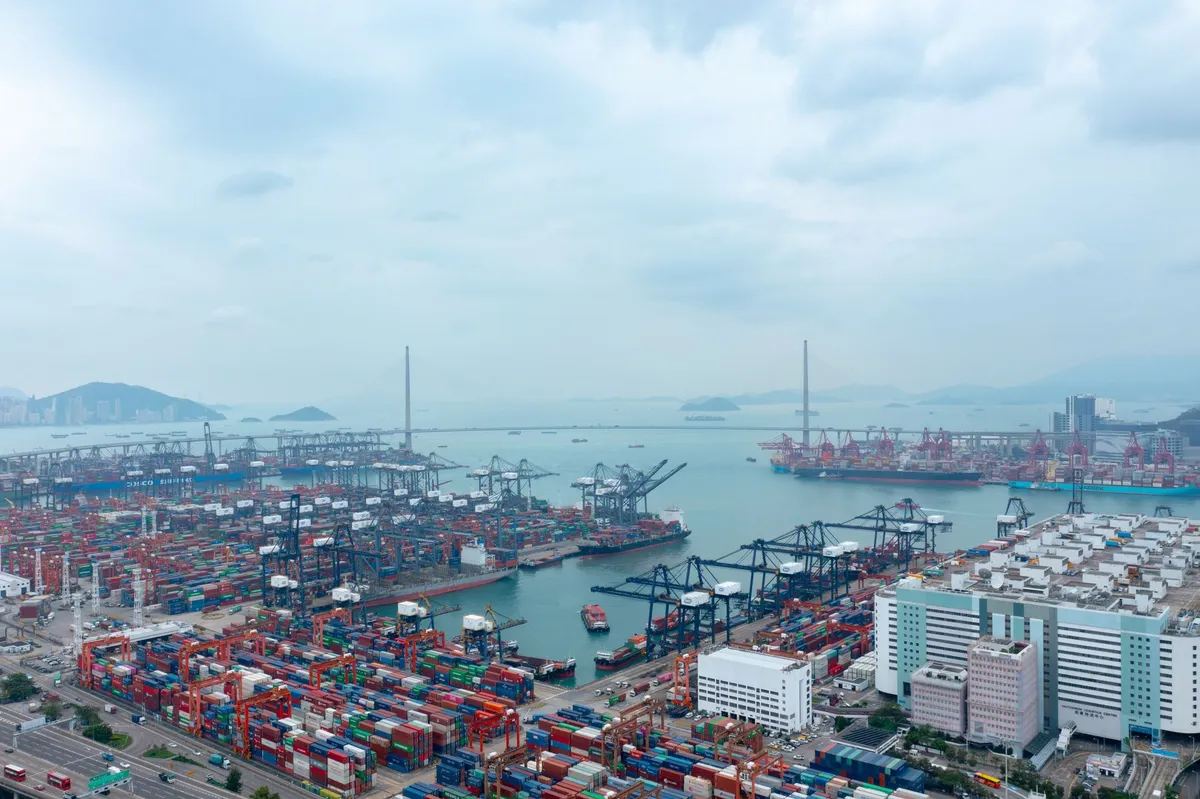
HTS 9903.05.43 adds 12.5% duty on all products of Hong Kong under Section 301 forced labor action, effective July 24, 2026. Rates, scope, and stacking explained.

HTS Chapter 99 explained: learn how temporary trade remedy codes overlay your base 1-97 classification, how duties stack, and what to report on entry.
HTS 9903.05.42 adds a 10% duty on all products of Honduras under the Section 301 forced labor action, effective 2026-07-24. Rates, scope, and stacking explained.

HTS 9903.05.41 adds a 12.5% duty on all products of Guyana under the Section 301 forced labor action, effective July 24, 2026. Scope, stacking, and entry guidance.

HTS 9903.05.40 adds a 10% ad valorem duty on all products of Guatemala under Section 301 forced labor action, effective 2026-07-24. Rates, scope, and stacking explained.

How the tariff exclusion process works: request and renewal lifecycle, retroactivity rules, Chapter 99 claiming in ACE, and refund vehicles for granted exclusions.

CBP deploys ACE Entry Type 13 changes on Sept 22, 2026: error code 334 added, 325 removed. Pre-deployment support call rescheduled. What filers must do now.

9903.05.39 adds a 10% Section 301 forced labor duty on all EU goods from 27 member states, effective 2026-07-24, capped so total column 1 duty equals 10%.
HTS 9903.05.37 adds a 10% duty on all El Salvador products under Section 301 forced labor action, effective 2026-07-24. Rates, scope, and stacking explained.
HTS 9903.05.36 adds a 12.5% Section 301 forced labor duty on all products of Egypt, effective July 24, 2026. Rates, scope, stacking, and entry requirements explained.

Section 232, 301, and 201 each hit importers differently. Learn the statutory basis, triggers, process, and key differences for all three trade remedy tools.
HTS 9903.05.35 adds a 10% ad valorem duty on all products of Ecuador under Section 301 forced labor action, effective July 24, 2026. Rates, scope, and entry tips.

HTS 9903.05.34 adds 12.5% ad valorem duty on all Dominican Republic products under Section 301 forced labor action, effective 2026-07-24. Scope, stacking, and entry guidance.
HTS 9903.05.33 adds a 12.5% Section 301 forced labor duty on all products of Costa Rica, effective 2026-07-24. Learn scope, stacking, and entry requirements.

CTPAT Trade Compliance layers trade accuracy obligations onto security membership, offering audit-substitution benefits. Learn how it works and what it requires.
CBP issued CSMS 69738151 on Section 232 duties of 10%-100% on UAS and drone components under Proclamation 11055. Here is what importers need to know.
HTS 9903.05.32 adds a 12.5% Section 301 forced labor duty on all products of Colombia, effective July 24, 2026. Learn scope, stacking, and entry requirements.

HTS 9903.05.31 adds a 12.5% duty on all Chinese goods under the Section 301 forced labor action, effective July 24, 2026. Rates, scope, and stacking explained.
HTS 9903.05.30 adds a 12.5% Section 301 forced-labor duty on all products of Chile, effective July 24, 2026. Scope, stacking, and entry guidance for importers.
CTPAT benefits, minimum security criteria, and honest cost analysis for mid-size importers weighing whether the trusted trader program is worth the effort.

USTR amends four Section 301 China exclusions after HTSUS reclassification. ACE HSU 2621 adds Section 338 updates and FSIS PGA flag changes effective August 2026.
HTS 9903.05.29 adds a 10% Section 301 forced labor duty on all Canadian goods from 2026-07-24 onward. Scope, stacking, and entry requirements explained.
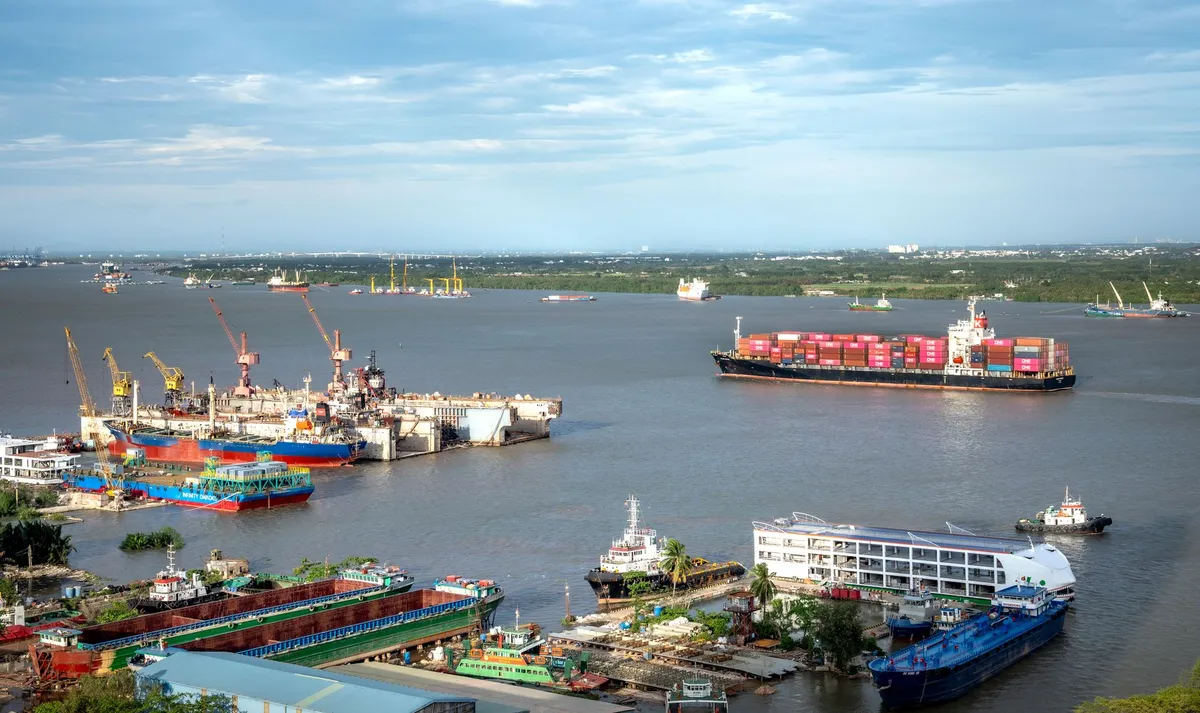
HTS 9903.05.28 adds a 10% ad valorem duty on all Cambodian goods under the Section 301 forced labor action, effective July 24, 2026. Scope, stacking, and entry guidance.
HTS 9903.05.27 adds 12.5% duty on all products of Brazil under the Section 301 forced labor program, effective July 24, 2026. Scope, stacking, and entry guidance.

Learn how Commerce circumvention inquiries work, what separates legal sourcing shifts from AD/CVD evasion, and what importers must do to stay compliant.

ACE rejects copper entry summaries missing smelt/cast country data starting Sept 14, 2026. Plus: beef TRQ Quota Bulletin 26-230 Tranche 1 is live. Key filing actions inside.

HTS 9903.05.26 adds a 10% ad valorem duty on all Bangladesh-origin goods under the Section 301 forced labor action, effective July 24, 2026.
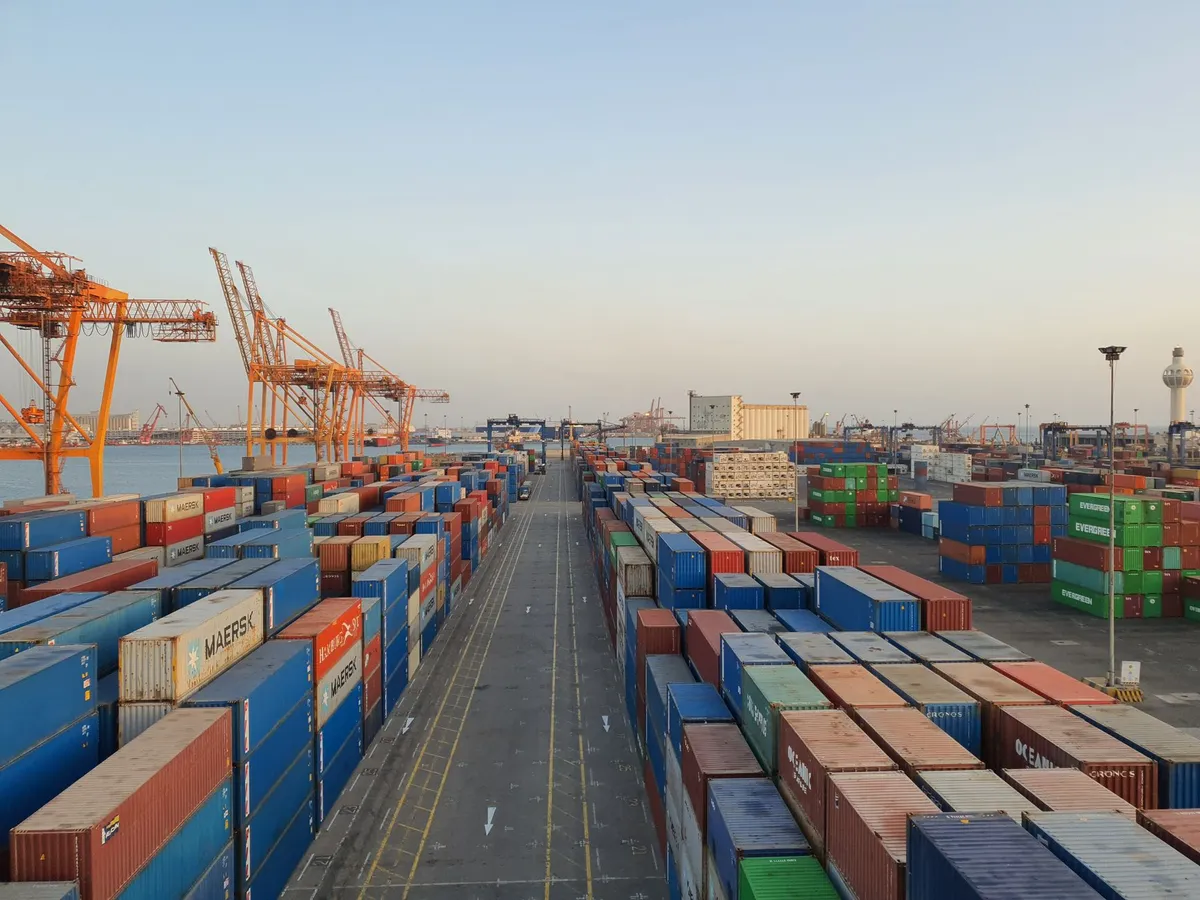
HTS 9903.05.25 adds 12.5% duty on all Bahrain-origin goods under Section 301 forced labor action, effective 2026-07-24. Scope, stacking, and entry guidance.
HTS 9903.05.24 adds a 12.5% Section 301 forced labor duty on all products of the Bahamas (BS), effective 2026-07-24. Rates, scope, stacking, and entry rules explained.
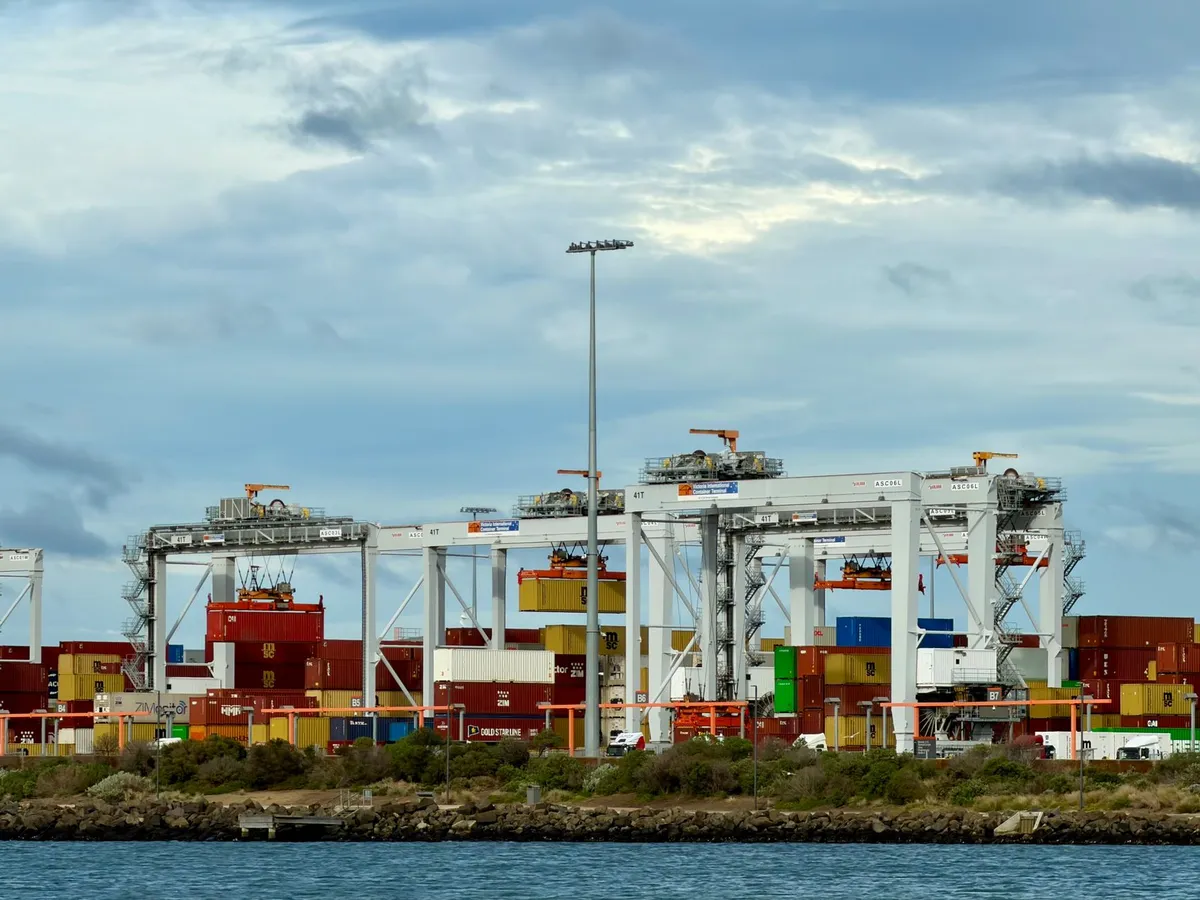
HTS 9903.05.23 adds a 12.5% Section 301 forced-labor duty on all Australian goods in chapters 1-97, effective 2026-07-24. Learn scope, stacking, and entry requirements.
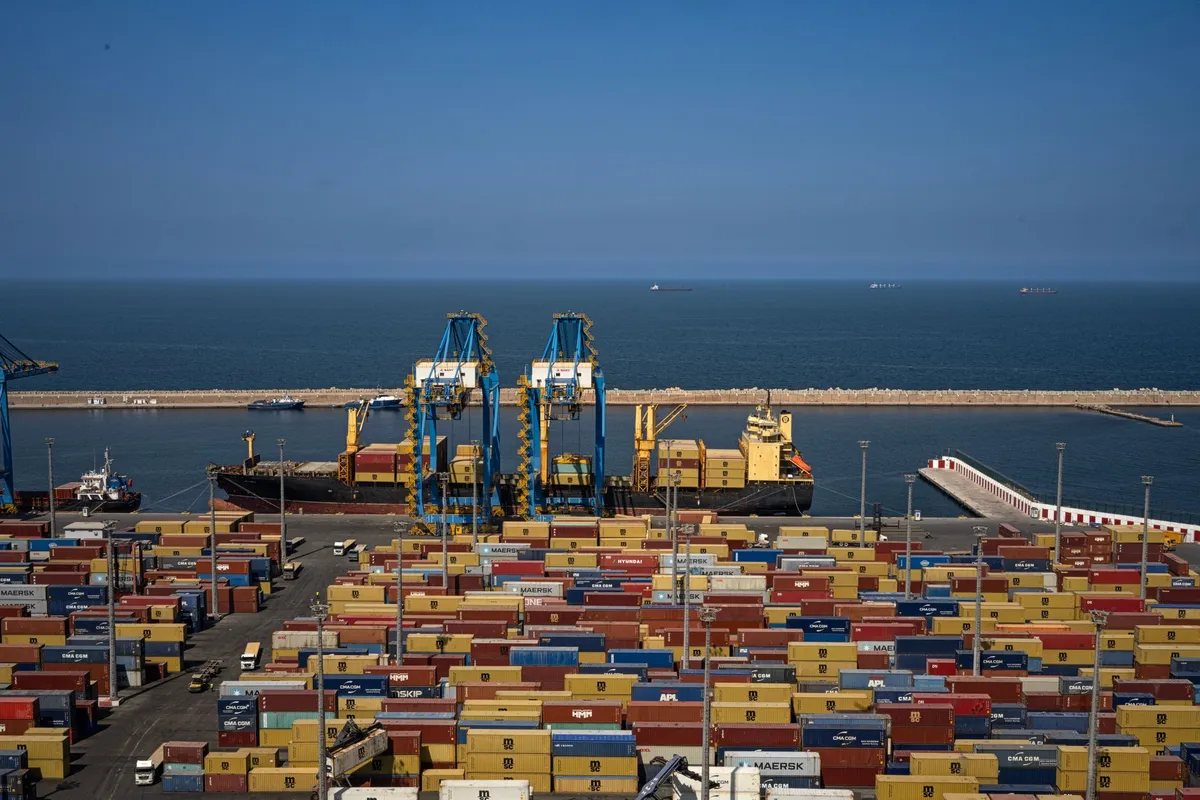
HTS 9903.05.20 adds a 12.5% Section 301 forced labor duty on all products of Algeria, effective 2026-07-24. Learn scope, stacking, and entry requirements.

HTS 9903.85.68 imposes a 200% additional duty on Russian aluminum derivative articles effective 2023-04-10, continued under the 2026 Consolidated Metal 232 regime.

HTS 9903.85.67 imposes a 200% additional duty on Russian-origin aluminum articles (Chapter 76), effective 2023-03-10, continued under the 2026 Consolidated Metal 232 regime.

How EAPA investigations work under 19 U.S.C. 1517: allegations, interim measures, adverse inferences, and importer rights explained in plain English.

CBP's Aug 26 2026 final rule mandates ACE Electronic Export Manifests for rail cargo departing to Mexico or Canada. Key dates, CFR parts, and required actions.
HTS 9903.05.22 adds a 10% duty on all Argentine goods under the Section 301 forced labor action, effective July 24, 2026. Rates, scope, and stacking explained.

HTS 9903.05.21 adds 12.5% duty on all products of Angola under Section 301 forced labor action, effective 2026-07-24. Rates, scope, stacking, and importer actions.
HTS 9903.82.26 grants a 0% additional duty exemption for equipment parts with non-US content at or above 15%, effective 2026-06-08 through 2028-01-01.
HTS 9903.82.25 imposes a 15% additional duty on equipment parts with less than 15% U.S. content under the Consolidated Metal 232 program, effective 2026-06-08.
HTS 9903.82.24 carries a 0% additional duty rate for equipment-parts tiers (e) and (k) with a column-1 rate at or above 10%. Effective 2026-06-08 through 2028-01-01.

Your AD/CVD cash deposit is an estimate, not your final duty. Learn how administrative reviews, liquidation suspension, and retroactive rate changes create real exposure.

CBP issued updated guidance on how to order multiple HTS classifications in ACE entry summaries when Chapter 98 or 99 codes are required. Details and action steps inside.
HTS 9903.82.23 imposes a 10% additional duty on equipment parts in tiers (e) and (k) with a column 1 rate below 10%, effective June 8, 2026 through January 1, 2028.
9903.82.22 adds a 15% Section 232 duty on derivative steel articles from AR, EC, SV, GT, JP, KR, LI, CH, TW, GB, and EU countries, effective 2026-06-08 through 2028-01-01.
HTS 9903.82.21 grants 0% additional Section 232 duty on CA/MX-origin metals with US content at or below 40% of value, effective June 8, 2026 through January 1, 2028.

Learn how AD/CVD scope rulings work under 19 CFR 351.225, why your HTS code is not the answer, and how to request a formal scope inquiry from Commerce.
CBP is terminating the "Flying Trucks" eManifest workaround. Learn what truck carriers and brokers must do to comply with 19 CFR 123.92 advance manifest rules.
9903.82.20 applies a 25% Section 232 duty to USMCA-origin derivative steel articles where non-US steel content exceeds 40%. Effective 2026-06-08, ending 2028-01-01.
9903.45.31 adds a 50% safeguard duty on quartz surface products effective 2026-08-15. Learn the rate schedule, country exclusions, HTS lines, and what importers must do.
HTS 9903.45.30 imposes a 25% Section 201 safeguard duty on quartz surface products effective 2026-08-15, stepping down to 19% by 2030. Learn scope, exemptions, and entry rules.
CBP will set AESTIR Commodity Response Code 802 (BIS license tolerance exceeded) to Fatal on Sept 25, 2026. EEI submissions will be rejected. Here is what exporters must do.

9903.82.19 is a reserved exemption heading under Consolidated Metal 232 for certain aluminum articles. Rate: 0% additional duty, effective 2026-04-06.

9903.82.18 is a zero-duty exemption heading under Consolidated Metal 232 for certain steel articles, effective 2026-04-06. Learn scope, stacking, and entry rules.
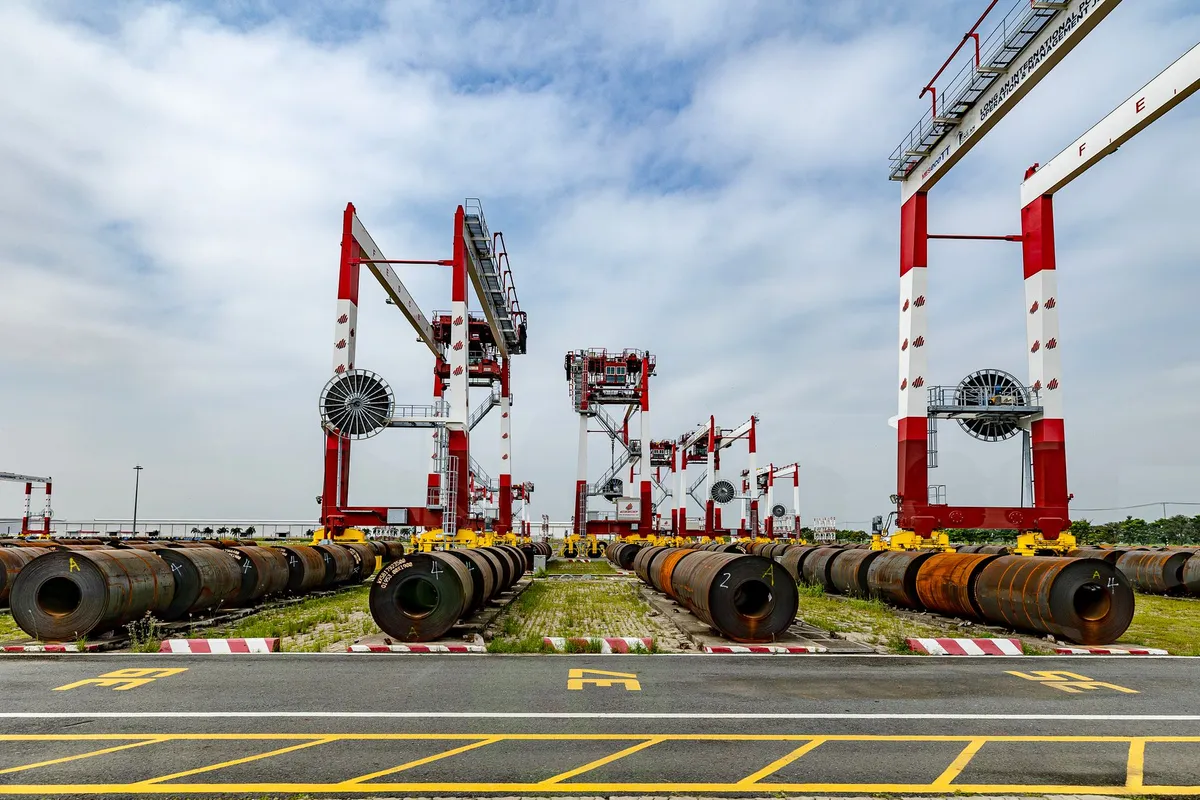
HTS 9903.82.17 imposes a 25% additional Section 232 duty on derivative steel articles from Russia, effective April 6, 2026. Scope, stacking, and entry guidance.
How substantial transformation applies when Chinese components are processed in third countries, and how CBP rulings shape Section 301 tariff exposure for importers.
CBP added ACE CATAIR Error F883, blocking Post Summary Corrections that modify IEEPA HTS on FTZ entry type 06. Here is what brokers and filers must do now.

9903.82.16 imposes a 25% additional duty on Russian-origin copper and derivative steel articles, effective 2026-04-06. Scope, stacking, and importer actions explained.
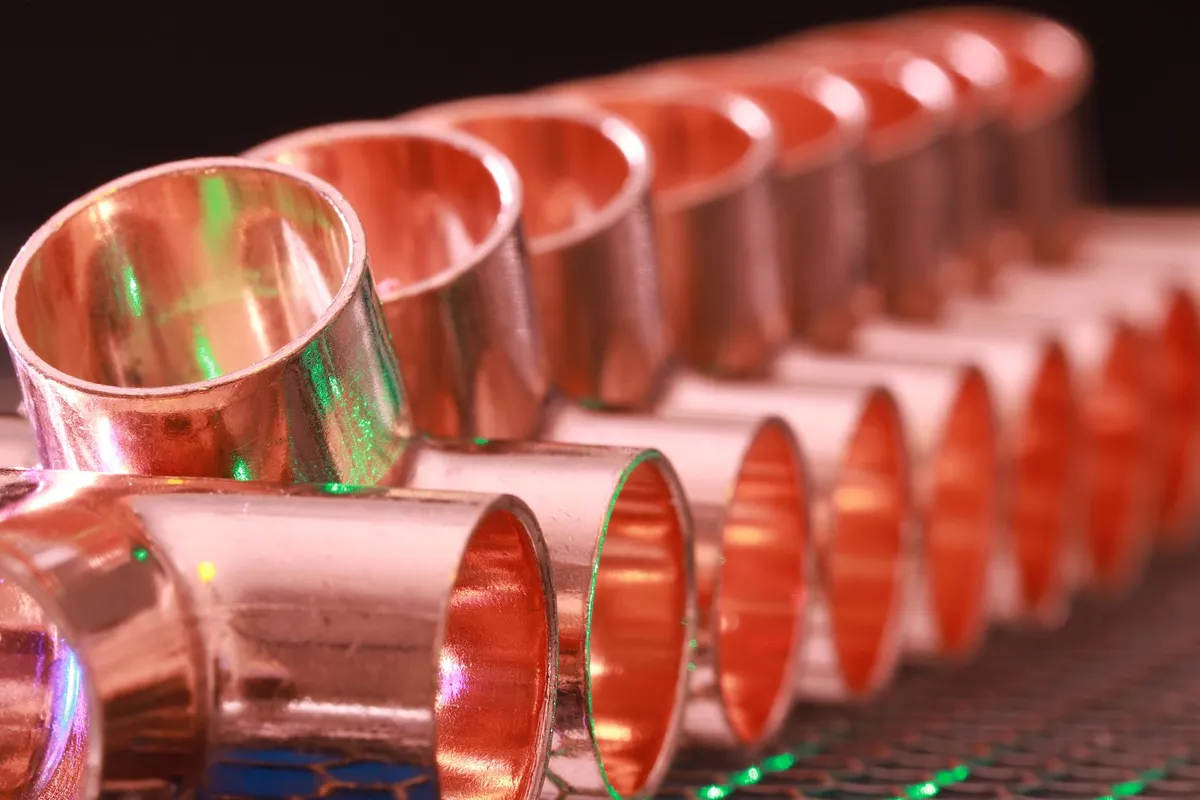
HTS 9903.82.15 imposes a 10% additional duty on articles of copper from Russia under the Consolidated Section 232 metals regime, effective 2026-04-06.
9903.82.14 imposes a 50% additional duty on Russian steel and copper articles under Chapters 72, 73, and 74, effective April 6, 2026, with no announced end date.

Learn how CBP detects illegal transshipment and origin fraud under EAPA (19 U.S.C. 1517), what supply-chain tracing looks like, and the exposure for unwitting importers.
HTS 9903.82.13 provides a 0% additional duty exemption for motorcycle parts used in US manufacturing. Learn scope, stacking rules, and entry requirements.

9903.82.12 imposes a 25% additional duty on derivative aluminum and steel articles from GN 3(b) countries, effective 2026-04-06 through 2028-01-01.
HTS 9903.08.24 imposes a 15% combined UAS 232 duty on drones and parts from Japan, South Korea, Taiwan, Switzerland, Liechtenstein, and EU nations, effective 2026-09-03.
How to complete a USMCA certification of origin, what data elements are required, and how to claim a duty refund under 19 U.S.C. 1520(d) within one year of import.
How 19 U.S.C. 1304 and 19 CFR Part 134 govern country of origin marking, when the 10% marking duty applies, and how CBP's CF 4647 process works.
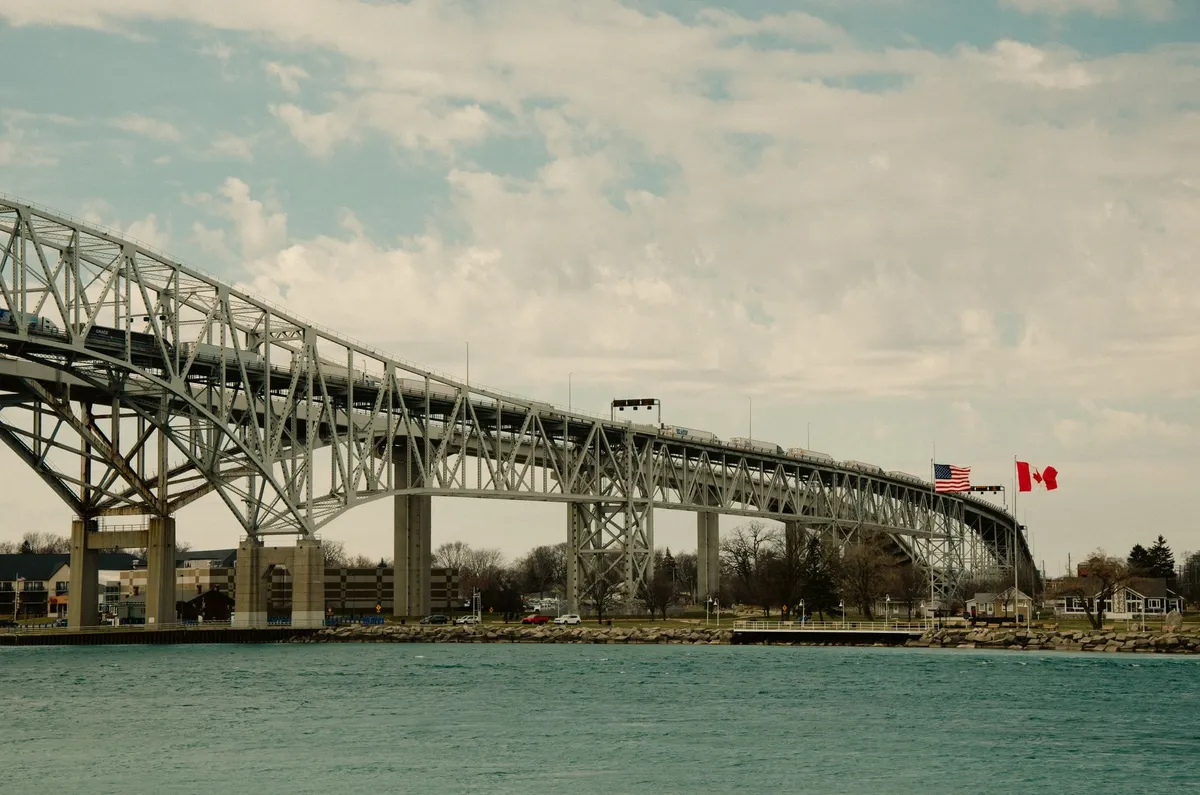
A temporary suspension of Section 338 additional duties on Canadian alcohol, dairy, and motor vehicles took effect August 18, 2026. Here is what importers must know.

HTS 9903.08.23 adds a 10% duty on UK-origin UAS and drone parts effective 2026-09-03. Learn scope, certification requirements, and stacking rules.
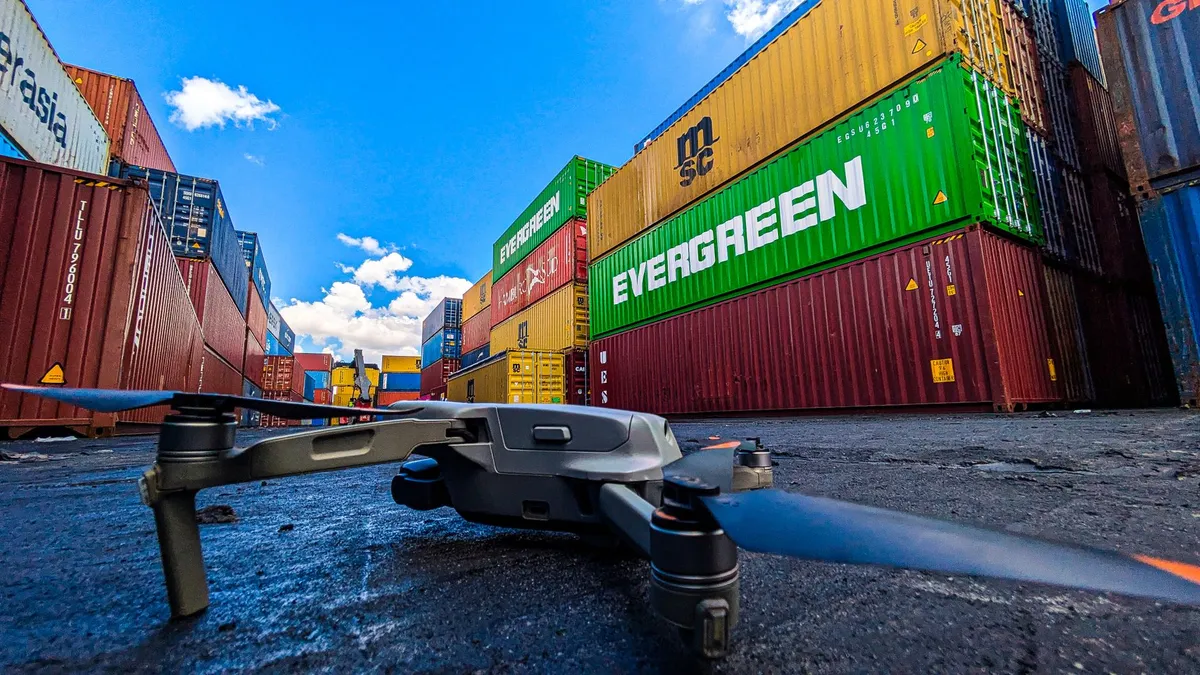
9903.08.22 adds a 25% duty on UAS without thermal imaging from 2026-09-03 and UAS parts from 2027-02-09. Know the HTS codes, stacking rules, and entry steps.
9903.08.21 adds a 100% additional duty on UAS, docking stations, thermal-imaging drones, and heavy-UAS parts effective 2026-09-03. Full scope and stacking explained.

Learn how the substantial transformation test determines country of origin for duty, marking, and trade remedies, and why assembly location alone is not origin.

9903.82.11 carries a 0% additional duty rate under Consolidated Metal 232. Learn who qualifies, what products are covered, and how to claim it correctly.
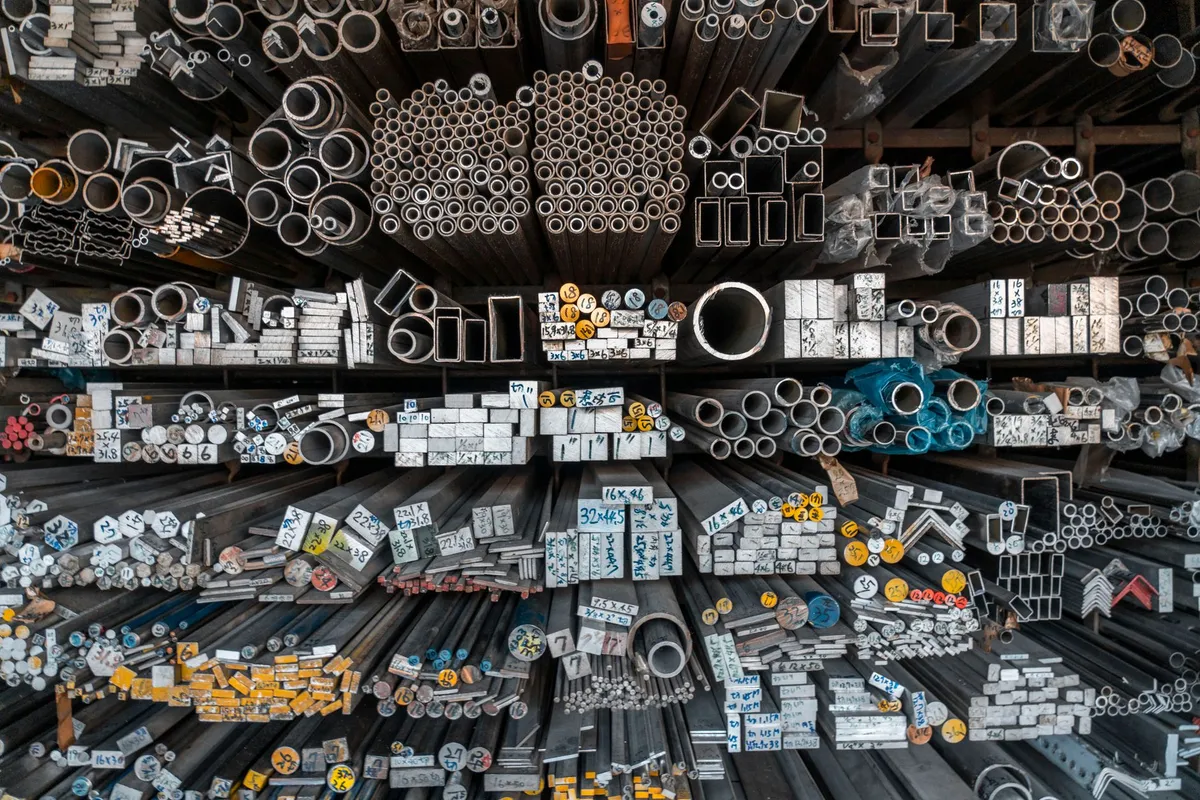
9903.82.10 imposes a 15% additional duty on derivative aluminum and steel articles with a column 1 rate below 15%, effective April 6, 2026 through January 1, 2028.

9903.82.09 imposes a 25% additional duty on copper articles and derivative aluminum and steel articles effective April 6, 2026. Learn scope, stacking, and entry requirements.

Learn what freight, insurance, and other costs can be deducted from customs value under U.S. law, how Incoterms affect dutiable value, and common overdeclaration errors.

CBP released HSU 2620 on Aug 14, 2026, adding 16 HTS and 53 ABI records for the Quartz Surface Products Quota. Here is what brokers and importers must do.
9903.82.08 exempts qualifying US-content derivative metal articles from additional Section 232 duty. Effective 2026-04-06 through 2028-01-01. Here is what importers need to know.
9903.82.07 adds a 10% duty on low-tariff derivative aluminum and steel articles under the Consolidated Metal 232 program, effective 2026-04-06 through 2028-01-01.

9903.82.06 imposes a 10% additional duty on copper articles and derivative aluminum and steel articles under the consolidated Section 232 metals regime, effective 2026-04-06.

Learn when royalties and license fees must be added to customs value under 19 U.S.C. 1401a, including the condition-of-sale test and intercompany license structures.

New Section 232 tariffs on unmanned aircraft systems, a corrected drawback eligibility ruling for Section 301 duties, and a CBP alert on rejected ACE refunds due to missing ACH enrollment.
9903.82.05 imposes a 15% additional duty on derivative aluminum or steel articles from the United Kingdom, effective April 6, 2026. Learn scope, stacking, and entry requirements.
9903.82.04 imposes a 25% additional duty on UK aluminum, steel, and derivative metal articles under Chapters 72, 73, and 76, effective 2026-04-06.
9903.82.03 is a zero-duty exemption heading for goods where metal content is under 15% by weight and the item falls outside Chapters 72, 73, 74, and 76.

First sale customs valuation lets importers declare the manufacturer price, not the middleman price. Learn the evidentiary burden, related-party rules, and CBP requirements.

9903.76.20 adds a 10% Section 232 duty on specific UK wood furniture subheadings effective October 14, 2025. Learn which HTS lines are covered and how duties stack.
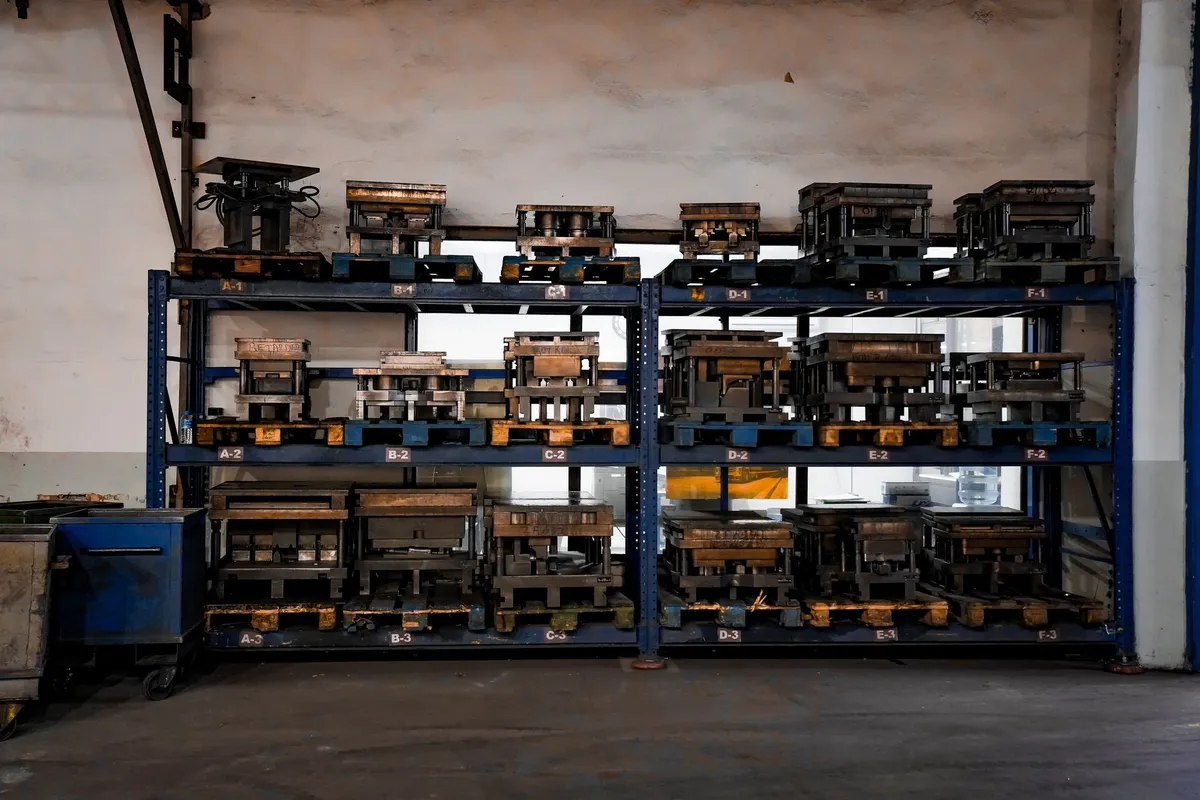
Learn when tooling, molds, dies, and design work qualify as customs assists under 19 U.S.C. 1401a(h), how to apportionthem, and what related-party importers must do.

9903.82.02 imposes a 50% additional duty on aluminum, steel, and copper articles under the Consolidated Section 232 metals regime, effective 2026-04-06.

HTS 9903.82.01 is the zero-percent exemption heading under Consolidated Metal 232 for articles containing no aluminum, steel, or copper. Effective 2026-04-06.
9903.76.04 is a Section 232 softwood timber exemption heading under U.S. note 37(g). It carries no additional duty. Learn what it means for your entry.

9903.76.03 adds a 25% Section 232 duty on kitchen cabinets, vanities, and their parts. Learn which HTS lines are covered, effective dates, and how to file.

HTS 9903.76.02 adds a 25% Section 232 duty on upholstered wooden furniture in four subheadings, effective October 14, 2025. Rates, scope, and entry guidance.

Learn how 19 U.S.C. 1401a(b)(4)(A) defines indirect payments between related parties and what flows count in customs value, with real-world examples.

HTS 9903.76.01 adds a 10% Section 232 duty on softwood timber and lumber under U.S. note 37(b), effective October 14, 2025. Learn which subheadings are covered.

HTS 9903.79.09 is a Section 232 semiconductor exemption for U.S. public sector applications. Learn scope, stacking, entry mechanics, and required actions.
HTS 9903.79.08 exempts semiconductor articles used in non-data center civil industrial applications from Section 232 additional duties. Learn scope, stacking, and entry rules.

How retroactive transfer pricing adjustments affect declared customs value, the fixed-price-or-formula rule under 19 CFR 152.103(a)(1), and your reporting options.

CBP updated FD07 drawback validations on Aug 12, 2026, blocking drawback claims on HTSUS 9903.05.01 (Section 301 Brazil) and 9903.05.20-9903.05.84 (forced-labor duties).

9903.79.07 is a Section 232 semiconductor exemption for non-data center consumer electronics. Learn what it covers, how to claim it, and how it stacks with other duties.

9903.79.06 is the Section 232 semiconductor exemption for startup importers. Learn what qualifies, how to claim it, and how it stacks with other duties.

HTS 9903.79.05 exempts semiconductor articles imported for U.S. research and development from Section 232 duties. Learn scope, stacking, and entry requirements.

Transfer pricing and customs valuation follow different legal standards. Learn how Section 482, 26 U.S.C. 1059A, and CBP transaction-value tests interact for related-party importers.
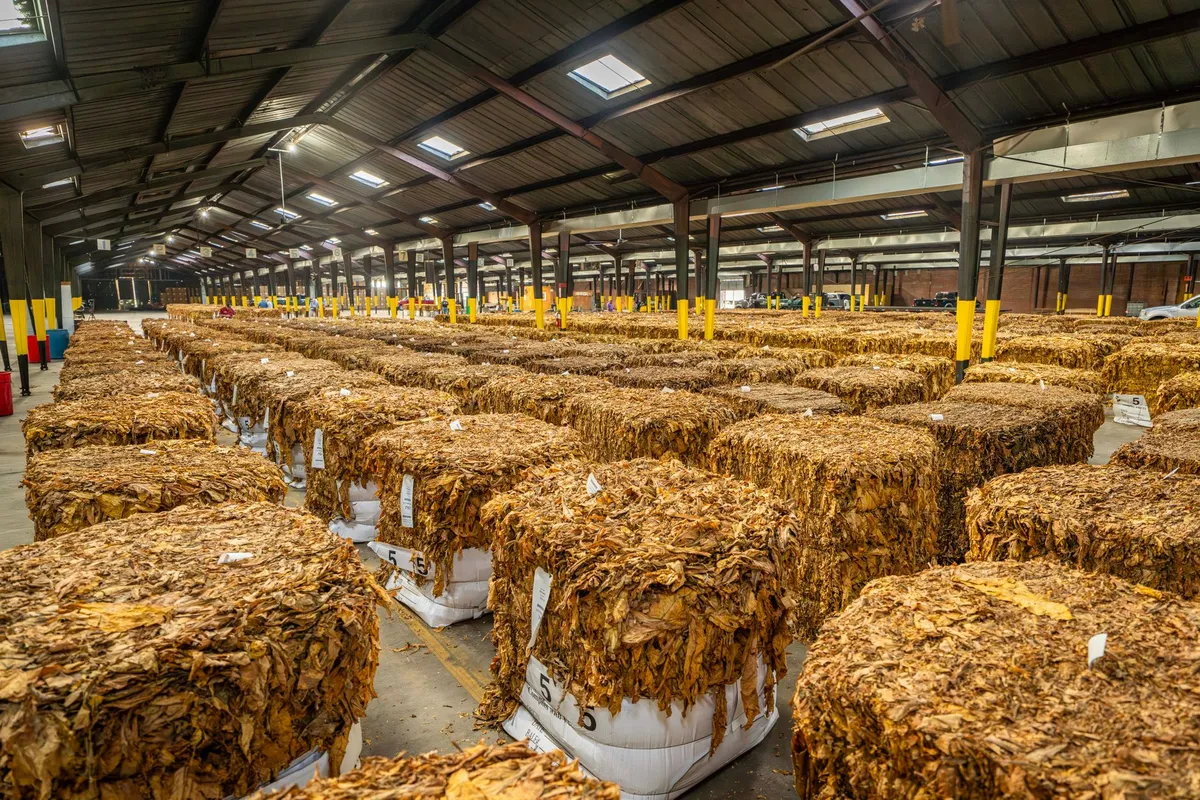
CBP's 2027 tobacco TRQ opens September 14, 2026. Plus: ACE invasive maintenance runs August 15-16. Key dates and actions for importers and brokers.

HTS 3926.90.99 covers other plastic articles. Learn the 5.3% MFN rate, Section 338 Canada overlay, and how Chapter 99 codes stack for entries from August 2026.

HTS 6204.43.40 carries a 16% MFN rate. For Canadian-origin entries on or after 2026-08-19, Section 338 adds an overlay duty. Full rate and stacking details inside.

HTS 8543.70.98 carries a 2.6% MFN rate. Entries from Canada on or after 2026-08-19 also face Section 338 duties. Full rate, scope, and stacking guide.

HTS 4016.93.50 carries a 2.5% MFN rate. Canada-origin entries on or after 2026-08-19 face Section 338 stacking. See all rates and Chapter 99 overlays.

6104.63.20 carries a 28.2% MFN rate. Canada-origin entries on or after 2026-08-19 face a Section 338 overlay on top. Full rate, stacking, and entry guide.
HTS 2208.30.30 covers Irish and Scotch whisky. Learn the MFN rate, the Section 338 Canada overlay for entries on or after 2026-08-19, and how duties stack.
HTS 8422.90.91 is Free under MFN but draws a Section 338 overlay for Canadian-origin goods on entries on or after 2026-08-19. Learn the rates and stacking rules.

DOC proposes 14 new derivative articles under Section 232 steel, aluminum, and copper duties. Separately, UK patented pharma tariffs fall from 10% to 0% under Proclamation 11020.

HTS 8528.59.33 carries a 5% MFN rate. Canadian-origin imports on or after 2026-08-19 also face a Section 338 overlay via 9903.03.12-.16. Learn how duties stack.

CBP resolved an ACE quota processing issue affecting Chapter 99 HTS codes and scheduled invasive maintenance Aug 8-9, 2026. Key dates and actions for importers.
9903.79.04 exempts semiconductor articles for repairs or replacement in the U.S. from Section 232 duties. Learn scope, stacking rules, and how to claim it correctly.
9903.79.03 is a Section 232 semiconductor exemption for data center use. Learn what qualifies, how to claim it, and how it stacks with other duties.

9903.79.02 is a Section 232 semiconductor exclusion heading under U.S. note 39(c). Learn what it covers, how to claim it, and how it interacts with your duty bill.

Learn how customs test values under 19 U.S.C. 1401a(b)(2)(B) work, why they are rarely available, and when circumstances of sale dominates related-party valuation.

CBP published four quota bulletins on Aug 12, 2026 opening 2027 TRQ periods for HTSUS Chapter 52 cotton commodities and quartz surface products under Chapter 68/70.

9903.79.01 adds a 25% Section 232 duty on semiconductor articles under HTS 8471.50, 8471.80, and 8473.30, effective January 15, 2026. Key facts for importers.

HTS 8418.69.01 covers "Other" refrigerating equipment. Learn the MFN rate, Section 338 Canada overlay, and how Chapter 99 codes stack for entries from August 2026.
The circumstances of sale test under 19 CFR 152.103(l): how to prove related-party transfer prices to CBP using industry pricing, unrelated sales, or cost-plus analysis.

New Section 232 tariff on polysilicon imports and draft ACE CATAIR changes for Entry Type 13 deploying September 22, 2026. What importers and brokers must do now.

How CBP evaluates related-party transaction value under 19 U.S.C. 1401a: definitions, the two acceptance paths, importer burden, and exam posture.
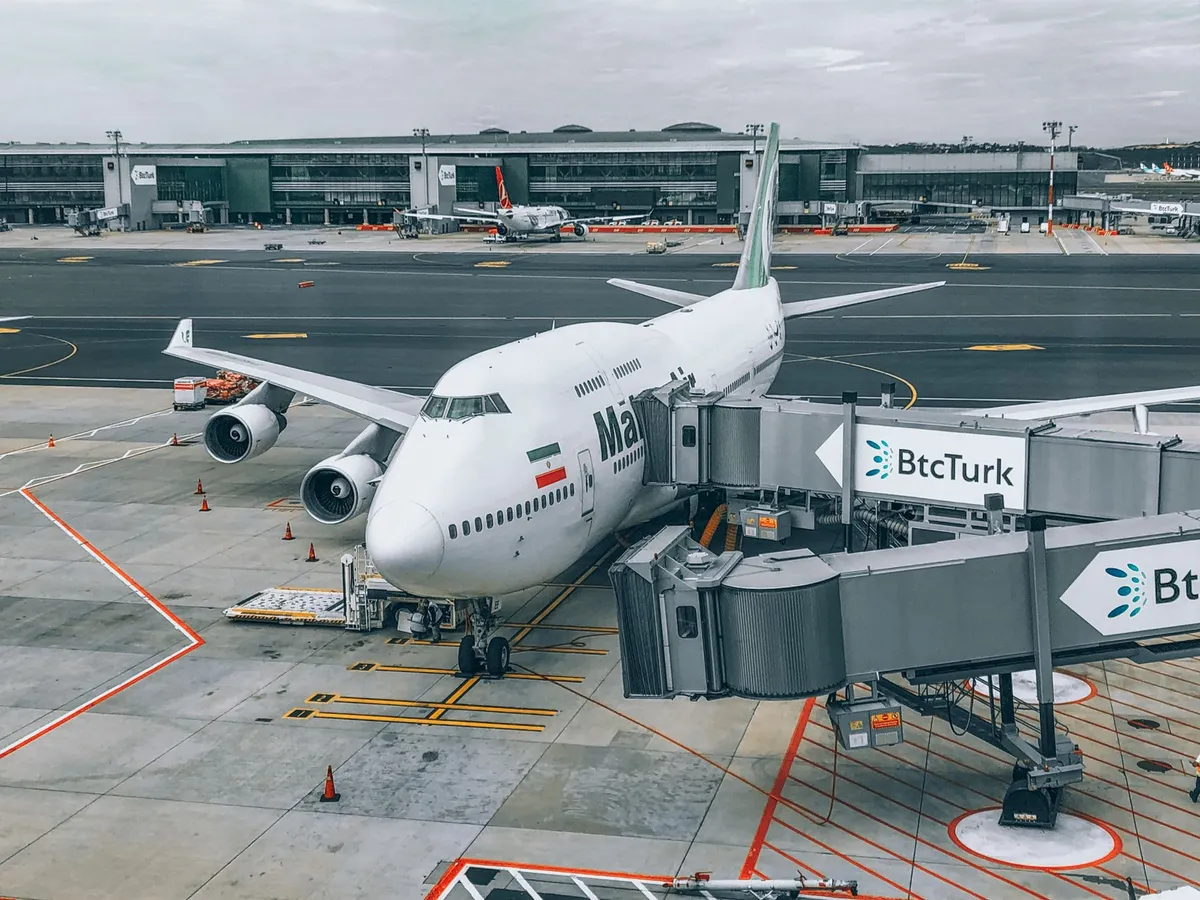
CBP has extended the Enhanced Air Cargo Advance Screening (ACAS) full enforcement phase to May 1, 2027. Here is what air carriers and filers must know.

How customs transaction value works under 19 U.S.C. 1401a: the price paid or payable, required additions, and when the method is unusable.
HTS 2204.10.00 sparkling wine: 19.8 cents/liter MFN base rate plus Section 338 Canada overlay for entries on or after 2026-08-19. Rates, stacking, and actions.

HTS 3926.40.00 covers statuettes and ornamental articles. Learn the 5.3% MFN rate, Section 338 Canada overlay, and stacking rules effective August 19, 2026.

Build a post entry audit program using ACE data sampling, error logging, and the right correction path: PSC, protest, or prior disclosure by severity.

Hiring a customs broker does not transfer your legal liability. Learn how importer of record duties survive outsourcing and what broker oversight actually requires.

HTS 6104.43.20 carries a 16% MFN rate. Canadian-origin entries on or after 2026-08-19 may also owe Section 338 duties. Get the full rate picture here.

HTS 6211.43.10 carries a 16% MFN rate. Canadian-origin entries on or after 2026-08-19 also face a Section 338 overlay. Learn how the duties stack.

HTS 4823.90.86 is free under MFN but faces Section 338 Canada duties for entries on or after 2026-08-19. Learn the rates, overlays, and entry mechanics.

What reasonable care means under the Customs Modernization Act, what CBP expects on classification, valuation, origin, and AD/CVD, and why "my broker did it" is not a defense.

HTS 9503.00.00 covers toys, dolls, puzzles, and scale models. Free MFN rate, but Section 338 Canada adds a new overlay for entries on or after 2026-08-19.

HTS 8517.62.00 covers switching and routing apparatus. Learn the MFN rate, Section 338 Canada overlay, stacking rules, and entry mechanics as of August 2026.

HTS 6109.10.00 cotton T-shirts from Canada face a 16.5% MFN rate plus a Section 338 overlay for entries on or after August 19, 2026. Full rate and stacking details here.

CBP's informed compliance framework: what the Mod Act bargain means, how reasonable care is measured, and how enforcement escalates when importers ignore both.

HTS 6110.20.20 carries a 16.5% MFN rate. Canadian-origin entries on or after 2026-08-19 also face a Section 338 overlay. Learn how the duties stack.
HTS 8537.10.91 carries a 2.7% MFN rate plus a Section 338 Canada overlay for entries on or after August 19, 2026. Learn the rates, scope, and how duties stack.

HTS 9903.03.16 is the Section 338 Canada exemption for GN6 civil-aircraft articles. It carries 0% additional duty for qualifying entries on or after 2026-08-19.

9903.03.15 is a zero-duty exception heading under Section 338 Canada, effective 2026-08-19. Learn what it covers, who claims it, and how it stacks on your entry.

The CBP (a)(1)(A) list in 19 CFR Part 163 Appendix names every record type CBP can demand immediately. Learn what records qualify, who must produce them, and the penalties for failure to comply.

CBP's Harmonized System Update 2619 cuts the Section 232 pharmaceutical tariff on UK imports to 0% under HTS 9903.04.63. Here is what importers must act on now.

HTS 9903.03.14 adds a 50% duty on Canadian goods listed in U.S. note 51(b)(3) for entries on or after 2026-08-19. Learn scope, stacking, and what to do.
HTS 9903.03.12 adds a 50% duty on Canadian alcohol products under Section 338, effective 2026-08-19. Learn scope, stacking, and entry requirements.

CBP has announced key modifications to Post Summary Correction processing, including a new electronic payment requirement. Here is what importers and brokers must do.

HTS 9903.03.13 adds a 50% duty on Canadian dairy and related goods under Section 338, effective 2026-08-19. Learn scope, stacking, and what importers must do.
Learn who must keep records under 19 U.S.C. 1508/1509 and 19 CFR Part 163, what the five-year retention period covers, and how the (a)(1)(A) list works.

CBP liquidated damages arise from customs bond breaches, not from fraud or negligence. Learn how claims work, common triggers, and how to petition under 19 CFR Part 172.

CBP issued CSMS 69415934 on tariff reductions for patented pharmaceuticals and ingredients from the UK under Presidential Proclamation 11020. Here is what importers need to know.

CBP can demand unpaid duties under 19 USC 1592(d) even when no penalty is assessed. Learn how duty restoration works, when it applies, and what importers must do.

Section 232 duties on patented pharmaceutical articles and ingredients took effect July 31, 2026. Here is what importers must do now with HSU 2618 HTS updates.

The customs penalty statute of limitations is five years under 19 U.S.C. 1621, but the clock starts differently for fraud vs. negligence. Learn how it works.

CBP issued CSMS 69395344 on Section 232 duties for patented pharmaceuticals under Proclamation 11020. Plus: an ACE quota processing issue and a weekend maintenance window.

Learn how the 19 U.S.C. 1592 penalty process works, from the CBP pre-penalty notice through response, penalty notice, petition rounds, and DOJ referral.
CBP issued four CSMS notices on July 29, 2026 covering Entry Type 13 CATAIR changes, CPSC PGA message set enforcement, and APHIS Plant Inspection Station filing updates.
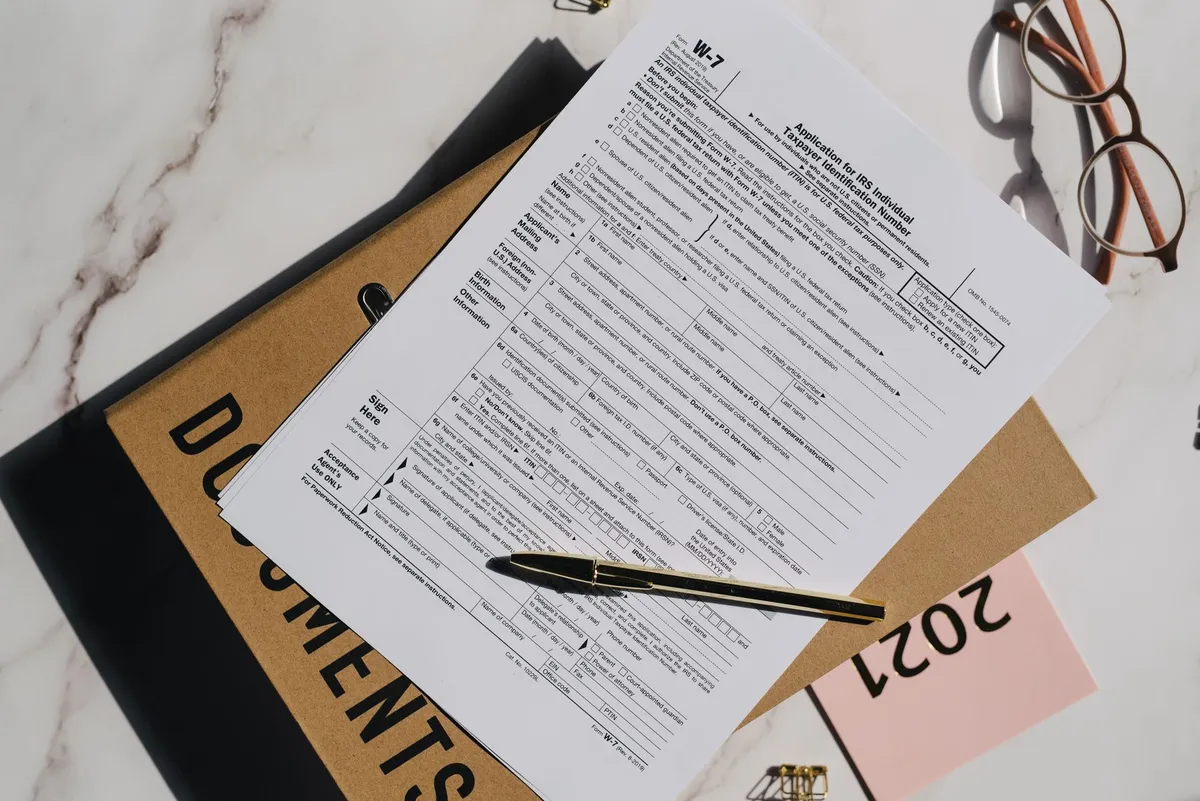
Learn how to petition CBP for penalty mitigation under 19 U.S.C. 1618, including the 19 CFR Part 171 process, mitigating and aggravating factors, and key deadlines.

USTR imposed Section 301 tariffs on all goods from 60 economies for failing to ban forced-labor imports. Learn what importers and brokers must do now.

A CBP prior disclosure under 19 U.S.C. 1592(c)(4) caps penalty exposure before an investigation begins. Learn the mechanics, timing rules, and what to include.

CBP Harmonized System Update 2617 brings 124 HTS record changes covering Section 301 Forced Labor codes and FWS PGA flag shifts from FW2 to FW1. Here is what to check now.

CBP Form 29 signals a rate advance or other action on your entry. Learn the difference between proposed and taken actions, your 20-day window, and how to protest.

A CBP Form 28 gives importers 30 days to respond with documentation. Learn how to answer correctly, avoid escalation to a CF 29, and treat every request as audit groundwork.

A CBP Quick Response Audit is a narrow, single-issue audit completed faster than a Focused Assessment. Learn what triggers one, how it unfolds, and what to do.

USTR imposes 10-12.5% Section 301 forced-labor tariffs on 60 economies plus new Canada duties on autos, dairy, and alcohol, effective July 24, 2026.

A CBP audit survey is a narrow, single-issue review. A Focused Assessment is comprehensive. Learn how to read the notification letter and respond correctly.
CBP guidance on new 25% Section 301 tariffs on imports from Brazil, effective July 22, 2026. Entry filing instructions, exemptions, and ACE maintenance notes.

Learn what triggers a CBP audit, including trade priority areas, prior violations, revenue significance, and anomalous entry data, so you can manage your risk.
CBP opens 2027 cotton TRQ quotas (AUSN 6, 7, 8) on August 3, 2026, and deploys ACE Entry Type 13 for U.S. mail processing to production on September 22, 2026.
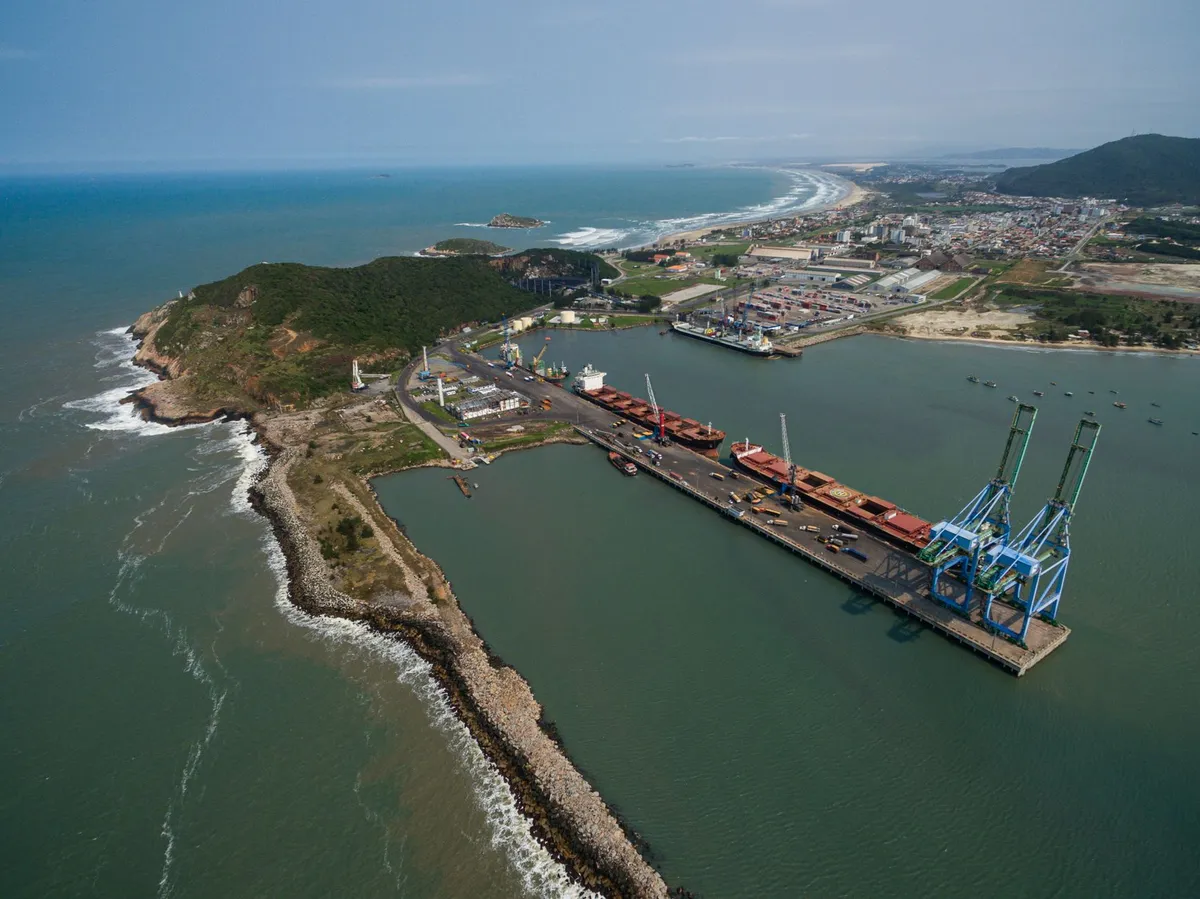
A CBP Focused Assessment is a structured trade audit with two phases: a Pre-Assessment Survey and Assessment Compliance Testing. Learn how each phase works and how to prepare.
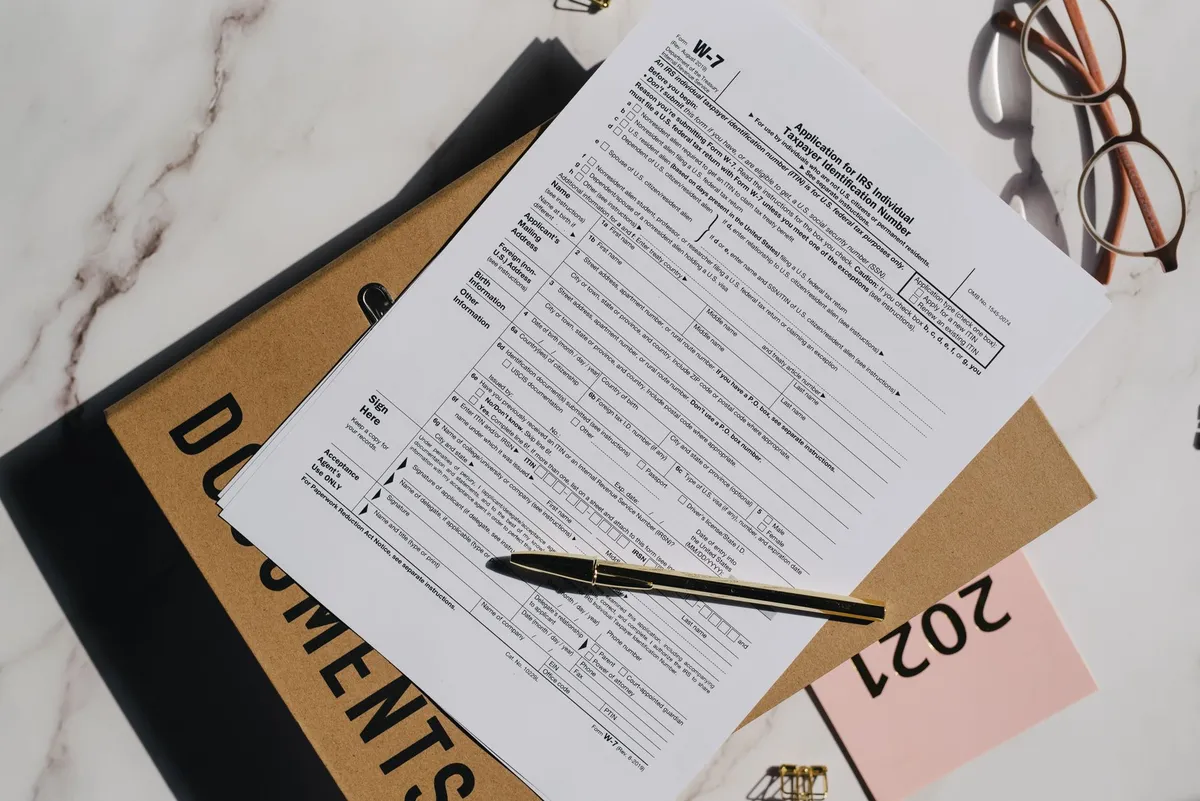
USTR has imposed 25% Section 301 tariffs on all imports from Brazil, with certain exemptions. Here's what importers, brokers, and compliance teams need to do now.
CBP deploys new ACE validation for Section 232 auto parts duty offsets on July 18, 2026, and adds error F875 for inactive importers. What filers need to know.

CBP has updated the ACE CATAIR PGA Message Set with a new CP4 qualifier code for component part descriptions, created for CPSC eFiling but open to all PGAs.

CBP deploys ACE error code 333 for inactive importers, releases Spring 2026 HTS updates (HSU 2614), and publishes the 2026 tuna tariff-rate quota proration bulletin.

CBP deploys CAPE IEEPA refund reconciliation entries in ACE, issues Section 232 auto/MHDV duty offset guidance, and adds fatal error F876 for auto parts HTS filing.
CBP has resolved the Collections Information Repository issue that delayed final daily statements for June 23, 2026. Here's what importers should know.
CBP issues forced-labor WROs on two Jordanian garment factories, expands CAPE IEEPA refund processing, and resolves a daily-statement delay. Here's what to do.
Step-by-step guide to using CustomsGenius for IEEPA tariff refund recovery, from account setup to claim tracking.
CBP filed its latest CAPE system update with the Court of International Trade on March 31. Here’s what importers need to know about the refund timeline.
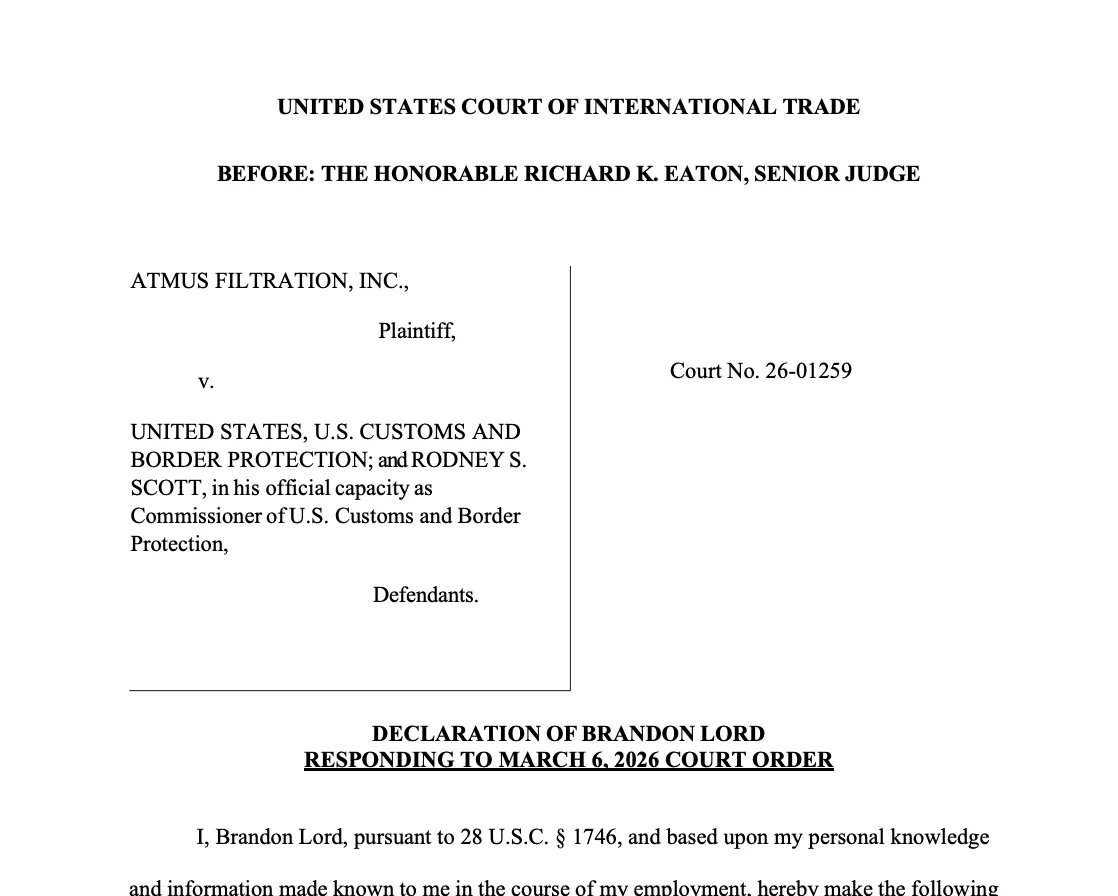
CBP declares CAPE system for IEEPA tariff refunds is under active development, with the Claim Portal 70% complete as of March 2026.
The Court of International Trade issued a universal order directing CBP to liquidate and reliquidate all entries without IEEPA duties. What it means for your refund.
Section 122 replaced IEEPA tariffs after the Supreme Court ruling. How it works, what’s exempt, and what importers should prepare for next.
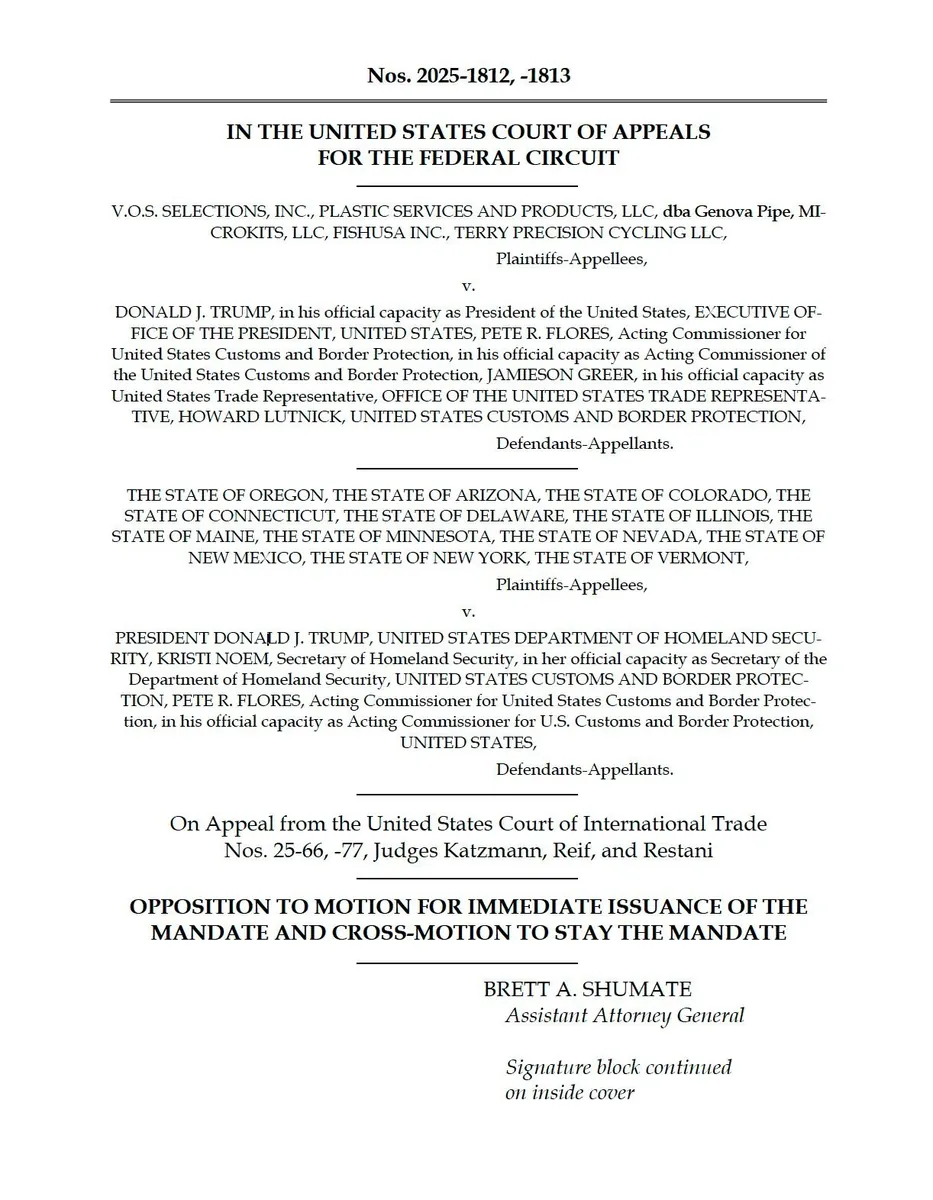
The Federal Circuit denied the government’s stay request and sent V.O.S. Selections back to CIT, clearing the path for IEEPA refund proceedings.
Retailers, distributors, and downstream buyers who absorbed IEEPA tariff costs may have a right to share in their importer’s refund.
A practical checklist for importers to preserve their IEEPA tariff refund rights, from organizing entry records to tracking protest deadlines.
A practical, step-by-step roadmap for small and mid-sized importers to pursue their IEEPA tariff refund, from ACE setup to CIT litigation.

The complete guide to IEEPA tariff refunds: legal basis, refund process, government resistance, and what importers should do now to recover duties.
The Trump administration's February 27 filing reveals a clear strategy to delay and complicate IEEPA tariff refund payments using every legal tool available.
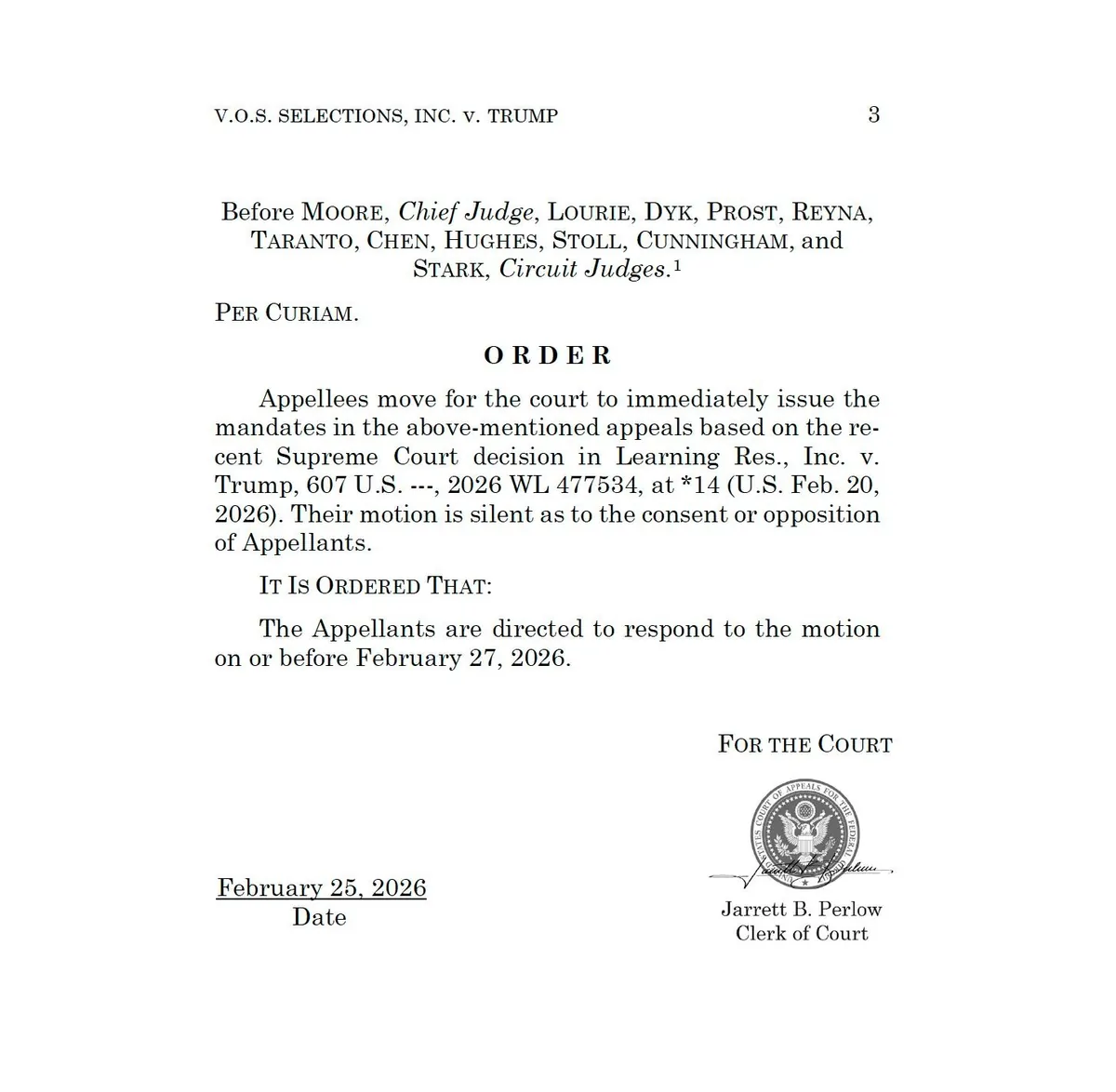
The CIT appears to be moving with notable urgency on the question of IEEPA tariff refunds, ordering the DOJ to respond by February 27th.
Why organized documentation is the foundation of every successful IEEPA refund claim, and the common failure points that derail recovery efforts.
Chapter 99 of the HTS is where IEEPA tariffs live. How automation helps brokers navigate its growing complexity and overlapping provisions.
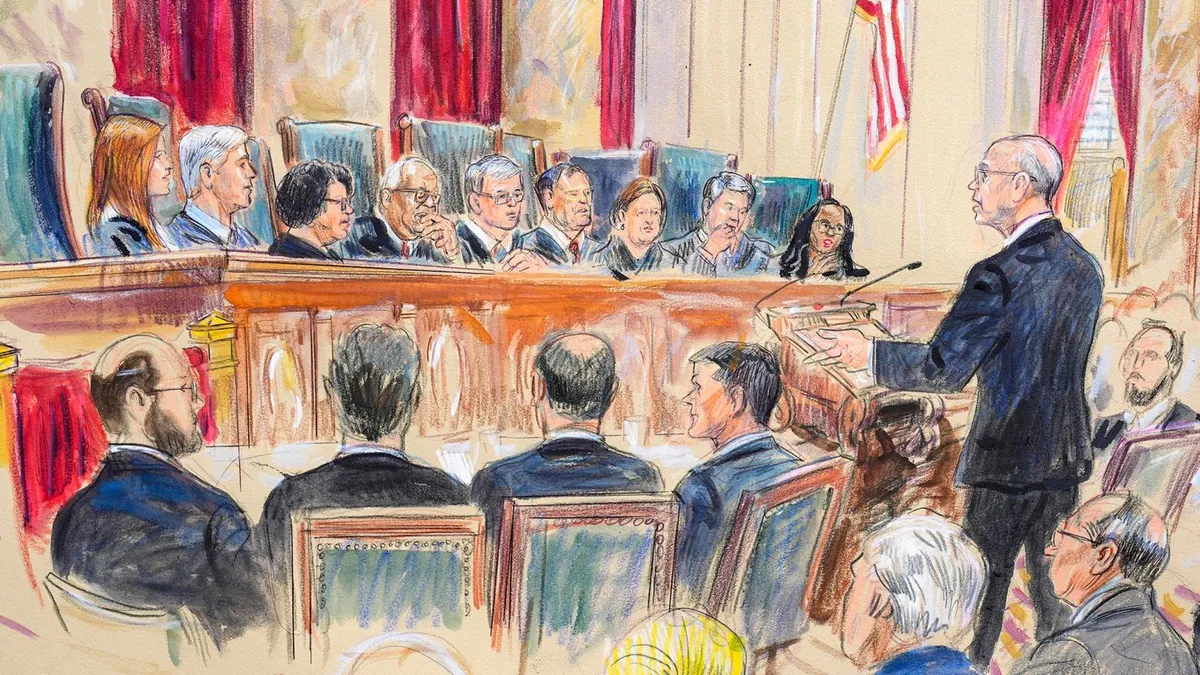
In Learning Resources, Inc. v. Trump, the Supreme Court held that IEEPA does not authorize the president to unilaterally set tariffs, vacating the IEEPA tariffs.

How our native CargoWise integration helps brokers move from data export to filing-ready refund packets without the manual middle.

How customs compliance is shifting from spreadsheets and manual review to AI-driven automation, and why the transition is accelerating.
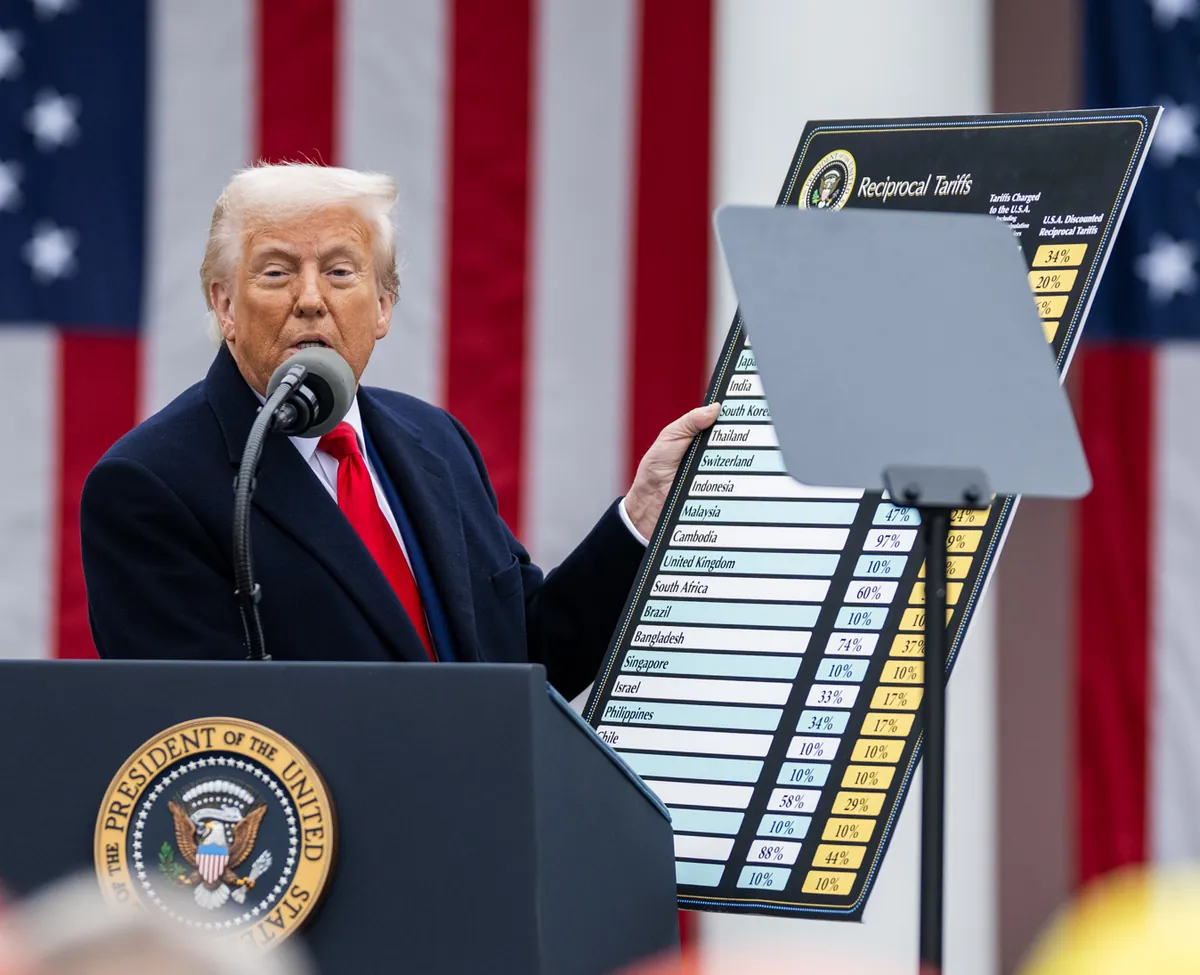
The executive order invokes IEEPA to impose a 10% ad valorem tariff on virtually all imports of Chinese origin. What it means for brokers and importers.