
8537.10.91 and Section 338 Canada: Rates, Scope, and Stacking
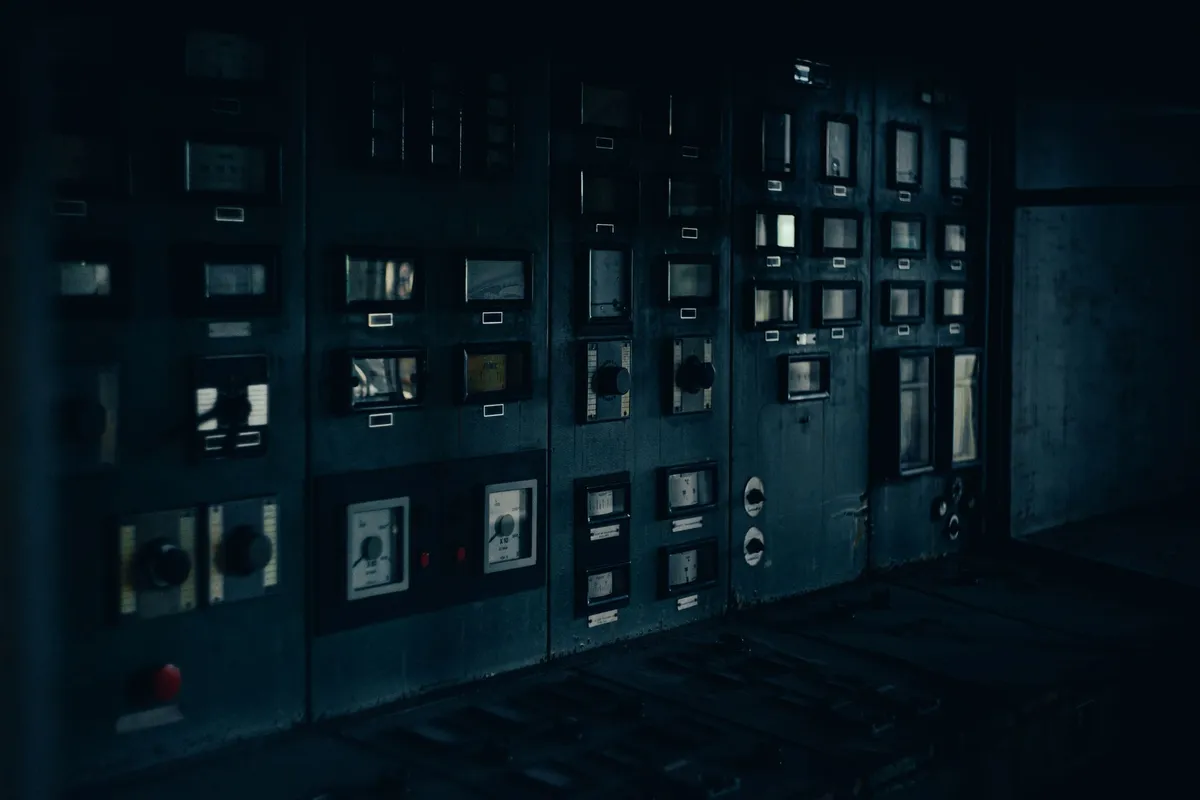
HTS 8537.10.91 covers "Other" boards, panels, consoles, and similar apparatus for electric control or distribution of electricity falling under heading 8537, for voltages not exceeding 1,000 V. Importers sourcing these goods from Canada need to understand two separate duty layers: the standard column 1 (MFN) rate of 2.7% and, for qualifying Canadian-origin entries, the Section 338 overlay that takes effect for entries on or after August 19, 2026. As of August 5, 2026, both layers are part of the current tariff picture.
What HTS 8537.10.91 Covers
Heading 8537 captures boards, panels, consoles, desks, cabinets, and other bases equipped with apparatus for electric control or the distribution of electricity. Subheading 8537.10 narrows the scope to units rated for voltages not exceeding 1,000 V. The residual classification 8537.10.91 picks up articles in that voltage range that do not fall into a more specific subheading, described simply as "Other" in the tariff schedule.
Typical goods that may land here include switchboard assemblies, motor control centers, and custom-configured distribution panels not enumerated elsewhere in the subheading hierarchy. If you are unsure whether your specific product belongs here or in a more specific subheading, confirm the classification in the current Harmonized Tariff Schedule on the USITC website or with a licensed customs broker before filing.
The Base MFN Rate and Special Rates
Column 1 General (MFN) Rate
The general duty rate for 8537.10.91 is 2.7% ad valorem. This rate applies to imports from any country that receives most-favored-nation treatment and is not otherwise covered by a preferential program or a special trade action.
Free-Rate Preference Programs
The special rate field shows Free for a broad list of trade agreement and preference program beneficiaries. Goods qualifying under any of the following designations enter duty-free on the base rate:
- A* (GSP, with asterisk indicating partial country exclusions), AU (Australia FTA), B (AGOA), BH (Bahrain FTA), CL (Chile FTA), CO (Colombia FTA), D (AGOA), E (Caribbean Basin Initiative), IL (Israel FTA), JO (Jordan FTA), KR (KORUS), MA (Morocco FTA), OM (Oman FTA), P (CAFTA-DR), PA (Panama FTA), PE (Peru FTA), S (CAFTA-DR), SG (Singapore FTA)
Canada is not among these preference-program designators, which is why the Section 338 overlay becomes the central concern for Canadian-origin shipments.
Column 2 Rate
Goods from countries that do not receive MFN treatment face a 35% column 2 rate. This rate is rarely relevant for mainstream trading partners but is worth noting for compliance completeness.
Section 338 Canada Overlay
What Section 338 Is
Section 338 is a U.S. trade action targeting Canadian-origin goods. It adds a Chapter 99 duty on top of the applicable Chapter 1-97 rate. The relevant Chapter 99 codes for Section 338 are 9903.03.12 through 9903.03.16. (Note: codes 9903.03.01 through 9903.03.11 belong to a separate, now-defunct Section 122 block and are not part of the Section 338 program.)
For a parallel look at how Section 338 works on other product categories, see our articles on 9903.03.12 and Section 338 Canadian alcohol and 9903.03.14 and Canadian motor vehicles.
Effective Date and Applicability
The Section 338 Canada overlay applies to entries of Canadian-origin goods on or after August 19, 2026. Entries filed before that date are not subject to the overlay. Origin matters: only goods that are products of Canada are within scope. If your goods originate in a third country but are shipped through Canada, Section 338 should not apply, but you must be able to document the actual origin to support that position.
How the Rates Stack on a Canadian-Origin Entry
When Section 338 applies, the importer pays both the base Chapter 1-97 duty and the Chapter 99 Section 338 duty. The two rates are assessed on the same dutiable value and are additive. On the entry, the Chapter 99 line item (the applicable 9903.03.1X code) rides alongside the 8537.10.91 line. CBP collects both.
For a Canadian-origin shipment subject to Section 338, the starting calculation is:
- 8537.10.91 base rate: 2.7% of dutiable value
- Section 338 Chapter 99 overlay rate: confirm the specific 9903.03.12-16 code and its rate in the current HTSUS, because each subheading within that range covers a distinct product scope
The facts block for this article covers the base 8537.10.91 rate. The Section 338 overlay rate for the applicable 9903.03.1X code should be verified in the current tariff schedule or with your broker, as the correct subheading within 9903.03.12-16 determines the additional percentage.
You can use our duty calculator to model the combined duty bill once you have confirmed both rates, and our 2026 tariff code overview for broader context on tariff changes this year.
Entry Filing Mechanics
When entering Canadian-origin 8537.10.91 goods on or after August 19, 2026, the entry summary must reflect both the Chapter 1-97 classification and the appropriate Chapter 99 Section 338 code. Omitting the Chapter 99 code on a qualifying entry is a classification error that can result in underpayment of duties. CBP has the authority to demand additional duties, and depending on the circumstances, penalties may follow. Accurate classification from the outset is the cleanest path.
Keep your commercial invoices, packing lists, bills of lading, and country-of-origin documentation. CBP can request these records on demand, and the standard customs recordkeeping retention period is five years. For more on what CBP can require, see our article on CBP's (a)(1)(A) records list.
Goods Not of Canadian Origin
If your 8537.10.91 goods originate in a country other than Canada, the Section 338 overlay does not apply. You pay only the base 2.7% MFN rate, or Free if your goods qualify under one of the preference programs listed above. MFN treatment is the default for any country not on the column 2 list and not subject to a separate trade action. Confirm whether any other Section 232, Section 301, or similar overlay applies to your specific goods and origin, as the facts block for this article does not address those programs.
What Importers Should Do
- Confirm classification before filing. Verify that 8537.10.91 is the correct subheading for your product by checking the current HTSUS at hts.usitc.gov or consulting a licensed customs broker. The "Other" residual subheading is only correct if no more specific subheading applies.
- Identify origin and apply the correct Chapter 99 code. For Canadian-origin entries on or after August 19, 2026, determine which 9903.03.12 through 9903.03.16 subheading covers your goods and include it on the entry alongside 8537.10.91.
- Model the total duty liability. Use the confirmed base rate (2.7%) plus the applicable Section 338 overlay rate to project your landed cost. Do not rely on the base rate alone for Canadian-origin shipments after the effective date.
- Retain origin documentation. Keep all records supporting the declared country of origin for at least five years to respond to any CBP inquiry or post-entry review.
This article is general information, not legal advice.
Recovering IEEPA tariff refunds? Get started with CustomsGenius to streamline your refund process.