
USTR Imposes 25% Section 301 Tariffs on Brazil: What Importers Must Know
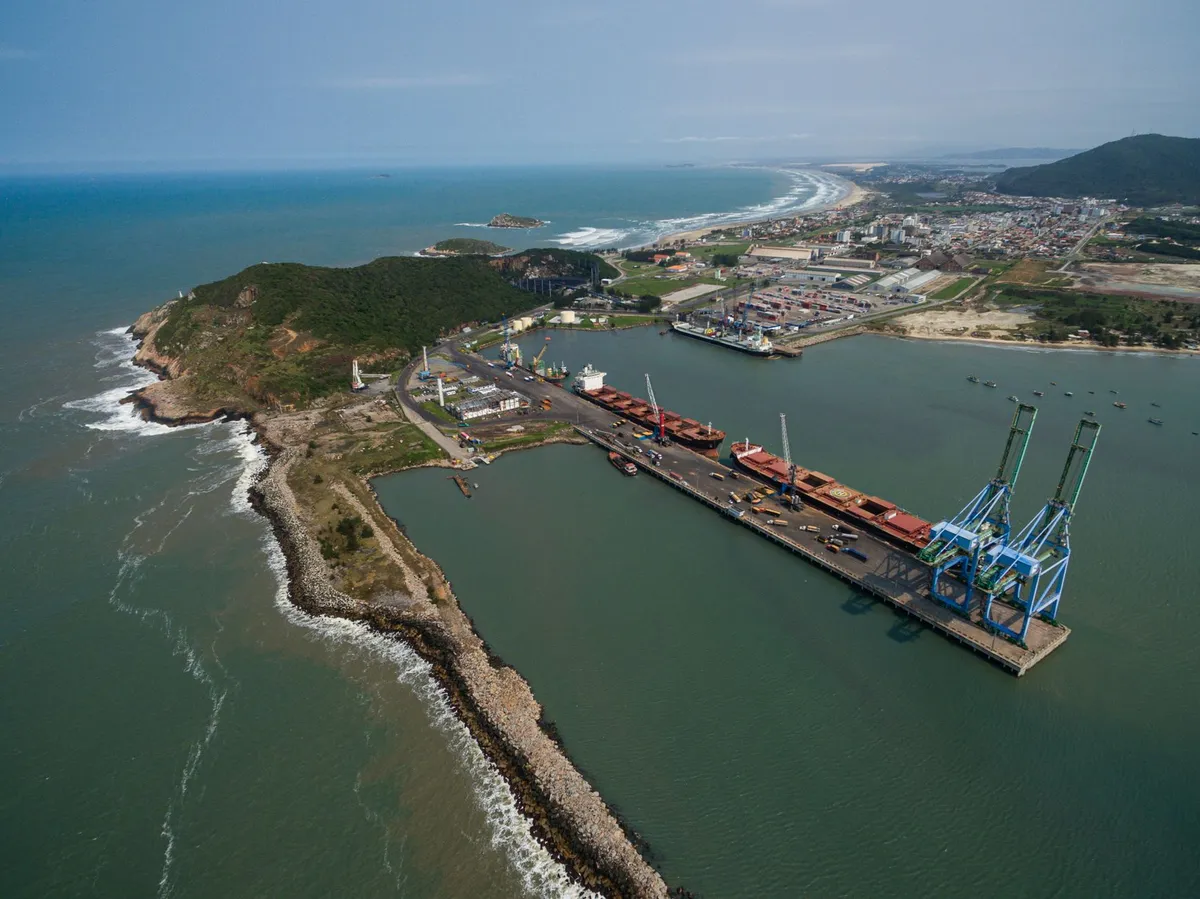
USTR Imposes 25% Section 301 Tariffs on Imports from Brazil
The Office of the United States Trade Representative (USTR) has determined that certain of Brazil's acts, policies, and practices are actionable under Section 301(b) and Section 304(a) of the Trade Act of 1974. Acting at the specific direction of the President, USTR is now imposing 25 percent tariffs on all imports from Brazil, with certain exemptions. The action was published in the Federal Register on July 20, 2026.
The investigation covered a broad set of Brazilian practices, including digital trade and electronic payment services, unfair preferential tariffs, anti-corruption enforcement, intellectual property protection, ethanol market access, and illegal deforestation. The breadth of the underlying investigation means the resulting tariff action applies widely across product categories, not just a single sector.
Exemptions Exist, But You Need to Confirm Coverage
The Federal Register notice indicates that certain exemptions apply, but importers should not assume their goods are covered without reviewing the specific exemption language in the published action. USTR Section 301 exemptions are typically narrow and product-specific. If your supply chain includes goods of Brazilian origin (whether finished products, components, or materials), treat them as subject to the 25% additional duty until you have confirmed otherwise.
CBP Interest Rates Rise for Q3 2026
In a separate development with direct financial implications, CBP has published the IRS interest rates applicable to customs duties for the calendar quarter beginning July 1, 2026. The rates have increased from the prior quarter:
- Underpayments (overdue accounts): 7% for both corporations and non-corporations
- Overpayments (refunds): 7% for non-corporations; 6% for corporations
These rates affect the cost of carrying duty underpayments (including any additional duties now owed under the new Brazil Section 301 action), as well as the return on successful duty refund claims and protests. Higher underpayment rates increase the urgency of correcting classification or valuation errors promptly.
COAC Meeting Rescheduled to September 23, 2026
The Commercial Customs Operations Advisory Committee (COAC) quarterly meeting originally scheduled for July 15, 2026, in Washington, DC, has been postponed. The new date is September 23, 2026. Industry stakeholders who planned to participate or monitor COAC deliberations (which often surface upcoming ACE and operational changes) should update their calendars accordingly.
What importers should do
- Audit your Brazil-origin supply chain immediately. Identify all goods (finished products, components, and raw materials) that originate in Brazil and will be subject to the new 25% Section 301 tariff.
- Review the exemption list in detail. Read the July 20, 2026 Federal Register notice carefully and consult with your customs broker or trade attorney to determine whether any of your specific HTS subheadings qualify for an exemption before filing entries.
- Factor in the higher Q3 interest rate. With underpayment interest now at 7%, resolve any outstanding classification or valuation disputes (including those that may now implicate the Brazil tariff) as quickly as possible to limit interest accrual.
- Mark September 23, 2026 for the COAC meeting. Operational and ACE-related guidance often surfaces through COAC; reschedule any planned monitoring of that forum to the new date.
Recovering IEEPA tariff refunds? Get started with CustomsGenius to streamline your refund process.