
8517.62.00 and Section 338 Canada: Rates, Scope, and Stacking
Key Points
- HTS 8517.62.00 covers machines for the reception, conversion, and transmission or regeneration of voice, images, or other data, including switching and routing apparatus, with a General (MFN) duty rate of Free.
- Section 338 applies to Canadian-origin goods entered on or after August 19, 2026; the applicable Chapter 99 overlay code from the 9903.03.12 through 9903.03.16 range must be reported alongside 8517.62.00 on those entries.
- Three additional Chapter 99 codes are cross-referenced to this classification for other programs: 9903.05.03 (Section 301 Brazil Exemptions, effective July 22, 2026), 9903.96.01 (Civil Aircraft Exemption, effective June 30, 2025), and 9903.96.02 (Civil Aircraft Exemption, effective September 16, 2025).
- Column 2 goods of this classification carry a 35% rate; confirm whether your goods qualify for Column 1 (MFN) treatment before filing.
- Each Chapter 99 overlay is reported as its own separate line element on the entry, on top of the base MFN rate.
On this page
- What 8517.62.00 covers
- Base MFN and Column 2 rates
- Section 338 Canada: scope and effective date
- Other Chapter 99 overlays cross-referenced to this code
- How stacking works on an entry
- What importers should do
- Key references
HTS 8517.62.00 is a Free-duty classification under the General (MFN) rate, covering machines for the reception, conversion, and transmission or regeneration of voice, images, or other data, including switching and routing apparatus. As of August 7, 2026, Canadian-origin goods entered under this code on or after August 19, 2026, are subject to additional Section 338 duties reported through the Chapter 99 overlay codes 9903.03.12 through 9903.03.16. Importers, brokers, and compliance teams need to confirm the correct overlay code and report it on every qualifying entry.
The links in this article go to the primary documents: the proclamations, Federal Register notices, and official tariff schedule pages themselves. Read the source.
What 8517.62.00 covers
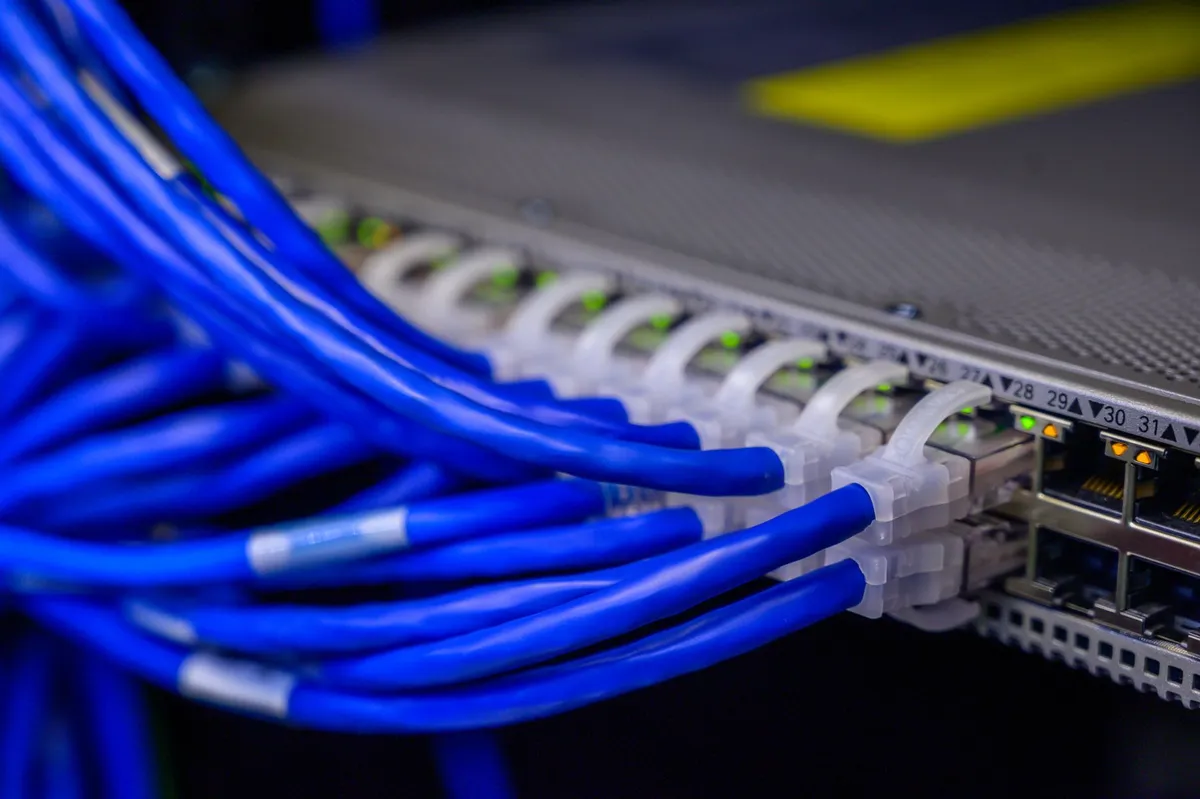
HTS 8517.62.00 falls under Chapter 85, heading 8517, of the Harmonized Tariff Schedule of the United States. The article description is: Machines for the reception, conversion and transmission or regeneration of voice, images or other data, including switching and routing apparatus.
This is a broad classification that captures a wide range of networking and telecommunications equipment. If your product description does not squarely match this language, confirm the correct classification in the current HTSUS or with a licensed broker before filing.
Base MFN and Column 2 rates
The General (Column 1 / MFN) duty rate for 8517.62.00 is Free. Goods from countries that do not receive MFN treatment are subject to the Column 2 rate of 35%. Most trading partners receive MFN treatment; confirm your country of origin and the applicable column before filing.
The Free MFN rate means that, absent any Chapter 99 overlay, no ad valorem duty is assessed at the Chapter 1-97 level. However, the base rate does not eliminate Section 338 or other additional duties that attach through Chapter 99 codes. Those are separate and additive.
Section 338 Canada: scope and effective date
Section 338 is a Canada-specific additional-duty program. For entries of Canadian-origin goods, the Section 338 Chapter 99 overlay codes run from 9903.03.12 through 9903.03.16. HTS 8517.62.00 appears on the Section 338 Canada article list, meaning goods of Canadian origin classified here are within scope.
Effective date
Section 338 applies to goods entered on or after August 19, 2026. Entries before that date are not subject to the Section 338 overlay. Confirm the entry date, not the shipment date, when determining applicability.
Choosing the right overlay code
The 9903.03.12 through 9903.03.16 range covers different product categories and exceptions within Section 338. For example, 9903.03.12 applies to Canadian alcohol, 9903.03.13 to dairy, 9903.03.14 to motor vehicles, 9903.03.15 to Section 232 exceptions, and 9903.03.16 to the civil-aircraft exemption. Machines classified under 8517.62.00 are general telecommunications and networking equipment, not alcohol, dairy, or motor vehicles. Confirm which specific overlay applies to your shipment by reviewing the scope language of each code in the HTSUS. See also our related articles on 9903.03.16 and 9903.03.15 for details on those specific exceptions.
Note on Section 122
Overlay codes 9903.03.01 through 9903.03.11 covered a prior Section 122 program. That block is no longer live. Do not use those codes for current entries.
Other Chapter 99 overlays cross-referenced to this code
In addition to the Section 338 block, three other Chapter 99 codes are cross-referenced to 8517.62.00 in the current schedule:
9903.05.03: Section 301 Brazil Exemptions
This overlay carries the duty provided in the applicable subheading and is effective July 22, 2026 onward, with no announced end date as of August 7, 2026. It applies to goods within the scope of the Section 301 Brazil Exemptions program. If your goods qualify, report 9903.05.03 as a separate line element.
9903.96.01 and 9903.96.02: Civil Aircraft Exemptions
Both codes carry 0 percent additional duty. 9903.96.01 is effective June 30, 2025 onward. 9903.96.02 is effective September 16, 2025 onward. Neither has an announced end date as of August 7, 2026. These codes apply to goods within the scope of the Civil Aircraft Exemption program. If your goods qualify, confirm which code applies and report it accordingly. See our related article on 9903.03.16 and the civil-aircraft exemption for additional context on how civil-aircraft exceptions interact with Canada-specific programs.
How stacking works on an entry
Chapter 99 overlay codes do not replace 8517.62.00. They ride alongside it. On a Customs entry, your broker will report the Chapter 1-97 classification (8517.62.00) and each applicable Chapter 99 code as its own separate line element. The additional duties from each Chapter 99 code are on top of, and separate from, the base MFN rate.
For a Canadian-origin shipment entered on or after August 19, 2026:
- Line 1: 8517.62.00, MFN rate Free
- Line 2: the applicable Section 338 overlay code from 9903.03.12 through 9903.03.16, reporting the Section 338 additional duty
- Additional lines as applicable for 9903.05.03, 9903.96.01, or 9903.96.02 if your goods qualify for those programs
Because the base rate is Free, the total duty on a qualifying Canadian-origin entry equals the Section 338 additional duty rate alone (plus any other applicable overlay). But the reporting obligation to list all applicable Chapter 99 codes still applies regardless of the base rate. For a broader overview of 2026 tariff codes and how Chapter 99 lines interact with Chapter 1-97 classifications, see our 2026 tariff code overview.
For a related example of how Section 338 stacking works on a different telecommunications classification, see our article on 8537.10.91 and Section 338 Canada.
What importers should do
- Verify the country of origin for every shipment classified under 8517.62.00. Section 338 applies only to Canadian-origin goods entered on or after August 19, 2026.
- Identify the correct Section 338 overlay code from the 9903.03.12 through 9903.03.16 range by reviewing the scope language of each code in the current HTSUS, and confirm with your broker whether a civil-aircraft or Section 232 exception applies to your product.
- Confirm whether your goods qualify for any of the other cross-referenced overlays (9903.05.03, 9903.96.01, or 9903.96.02) and report all applicable Chapter 99 codes as separate line elements on the entry.
- Use the duty calculator to model your total landed cost with all applicable overlay duties included, and retain entry records in accordance with applicable recordkeeping requirements. See our article on customs recordkeeping requirements for details.
Key references
- Harmonized Tariff Schedule of the United States (USITC): Official schedule including 8517.62.00 and all Chapter 99 cross-references
- U.S. Customs and Border Protection (CBP): Entry filing guidance, CSMS messages, and binding ruling search
- Federal Register: Notices and rules implementing Section 338 and other additional-duty programs
- White House: Presidential proclamations and executive orders underlying Section 338 and related programs
- 9903.03.16 Explained: Section 338 Canada Civil-Aircraft Exemption: Scope and mechanics of the civil-aircraft exception within Section 338
- 9903.03.15 Explained: Section 338 Canada Section 232 Exception: How the Section 232 exception interacts with Section 338 for Canadian goods
- 8537.10.91 and Section 338 Canada: Rates, Scope, and Stacking: Parallel treatment for a related telecommunications classification
- Customs Recordkeeping Requirements: The Five-Year Rule Explained: What records to retain and for how long
Recovering IEEPA tariff refunds? Get started with CustomsGenius to streamline your refund process.