
What Importers Need to Know About China Tariffs
Status as of October 2026. This piece was written in February 2025, when the first IEEPA tariff on Chinese goods took effect. The Supreme Court invalidated the IEEPA tariffs on February 20, 2026, CBP stopped collecting them on February 24, 2026, and the duties are being refunded through the CAPE program in ACE. See the China refund guide for the current position.
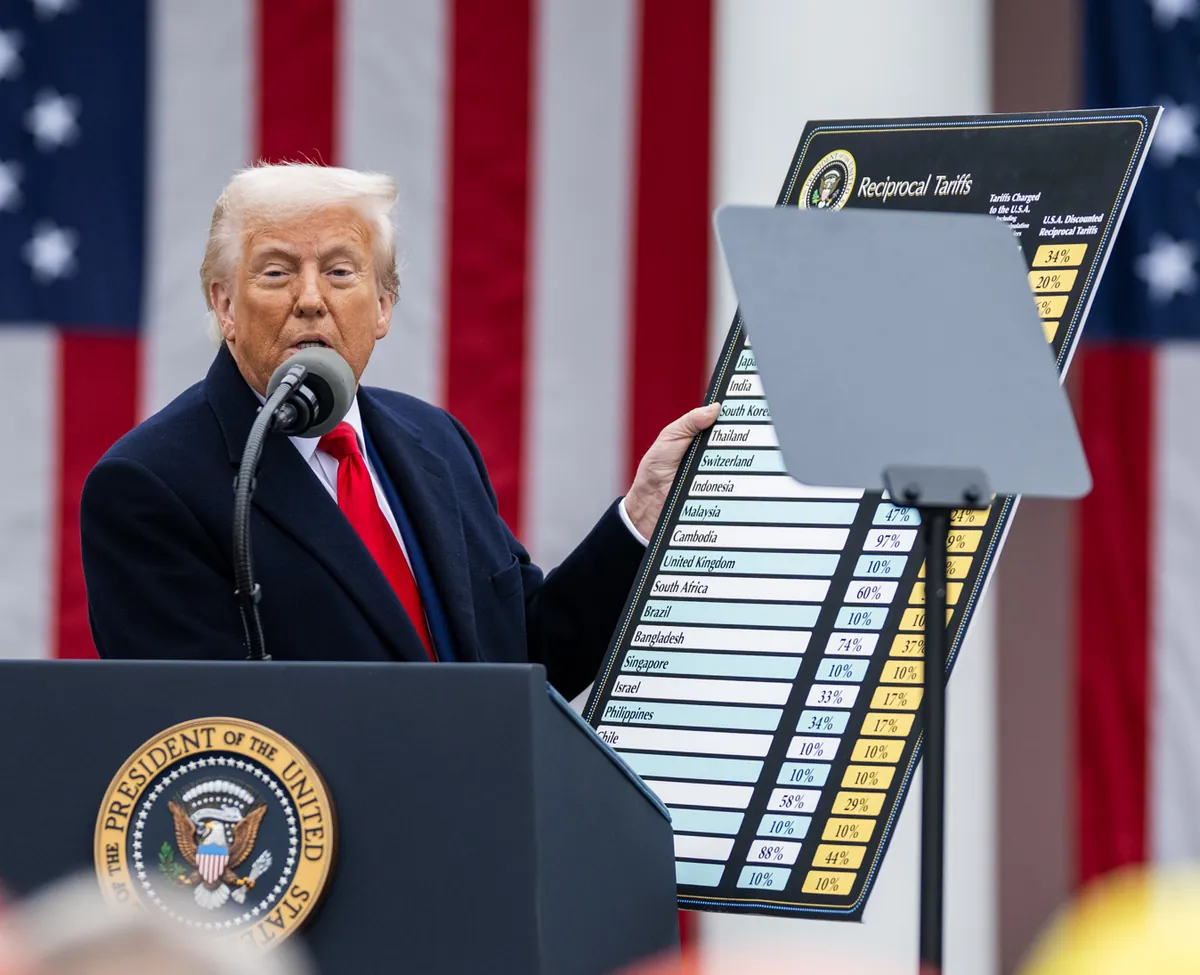
On February 1, 2025, President Trump signed an executive order invoking the International Emergency Economic Powers Act to impose a 10% ad valorem tariff on virtually all imports of Chinese origin entering the United States. The order, which took effect on February 4, represents the most expansive use of IEEPA for trade purposes in the statute's history and marks a significant escalation in the ongoing economic relationship between the two nations.
What IEEPA Authorizes
IEEPA grants the president broad authority to regulate international economic transactions during a declared national emergency. While historically invoked for sanctions against specific countries, entities, or individuals, its application to impose broad-based import tariffs is largely unprecedented. The executive order cites the flow of fentanyl precursors and illegal migration as the basis for the emergency declaration, tying trade policy to national security and public health concerns.
The 10% tariff applies on top of existing duties, including any Most Favored Nation rates, antidumping and countervailing duties, and Section 301 tariffs already in place. For many importers, this means effective duty rates on Chinese-origin goods have increased substantially overnight.
Immediate Impact on Importers and Brokers
Customs brokers and importers should expect significant operational disruption. Entries filed on or after the effective date must account for the additional IEEPA tariff, which is assessed under new Chapter 99 HTS subheadings. Brokers will need to update their classification workflows and ensure that entry summaries correctly reflect the layered duty structure.
The retroactive and overlapping nature of these tariffs creates complexity that manual processes are poorly equipped to handle. Importers with large entry volumes face the greatest exposure, both in terms of compliance risk and in potential overpayment if entries are not classified with precision.
Looking Ahead
The legal durability of IEEPA tariffs is an open question. Multiple legal challenges are expected, and the scope of presidential authority under the statute will likely be tested in federal court. In the meantime, importers should focus on ensuring accurate classification, preserving documentation, and monitoring CBP guidance closely.
For brokerages managing hundreds or thousands of entries, the capacity to quickly identify which entries are affected, calculate the correct duty amounts, and flag potential refund eligibility when tariff rates change will be a decisive operational advantage in the months ahead.
Preparing for IEEPA refund recovery? Get started with CustomsGenius to get started.