
9903.03.02 (Ended): Section 122 In-Transit Exemption Explained
Key Points
- HTS 9903.03.02 was a Section 122 exemption heading for goods already loaded and in transit before 12:01 a.m. eastern standard time on February 24, 2026, and it ended on July 24, 2026.
- The heading carried 0 percent additional duty itself: it existed to keep qualifying goods out of the 9903.03.01 surcharge.
- To qualify, goods also had to be entered for consumption, or withdrawn from warehouse for consumption, before 12:01 a.m. eastern standard time on February 28, 2026.
- Because the heading carried no duty, its end created nothing to refund under it.
- An entry that paid the surcharge because this exemption was not claimed follows the ordinary post summary correction or protest path, not the IEEPA refund process.
On this page
- What 9903.03.02 was and when it ended
- Heading text and goods covered
- How the exemption appeared on an entry
- Relationship to the 9903.03.01 surcharge
- Refund position after the end date
- What importers should do
- Key references
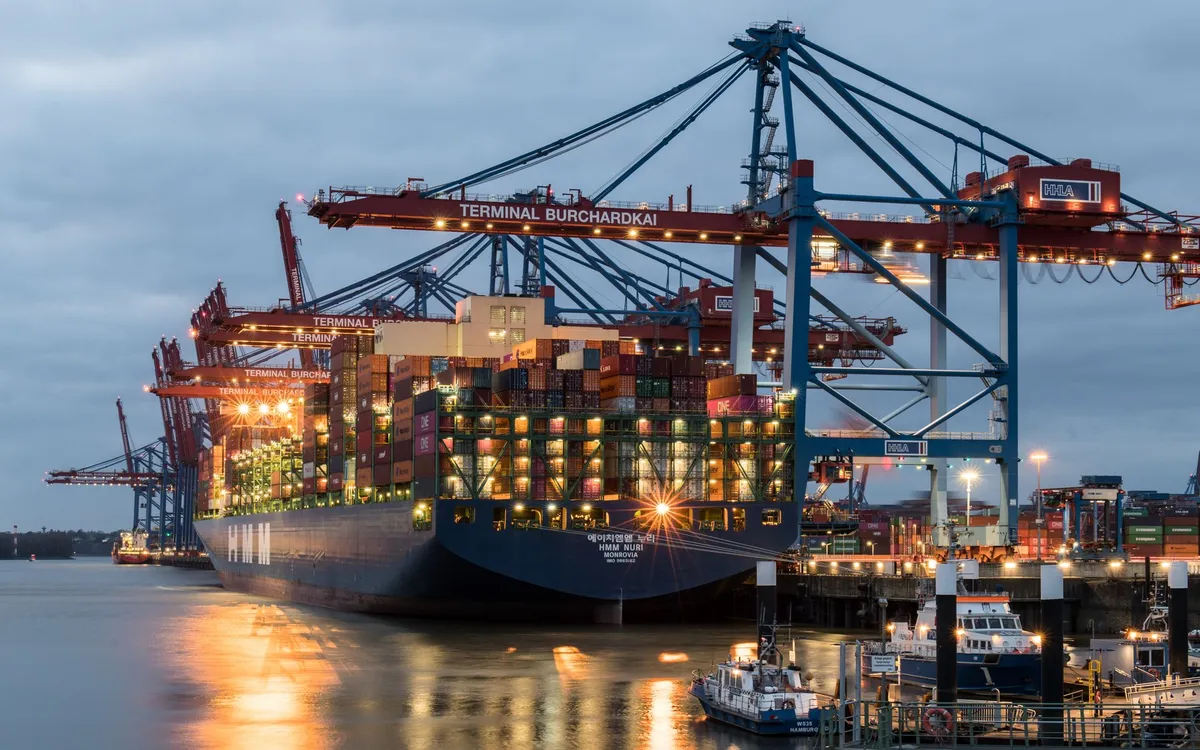
HTS 9903.03.02 was the Chapter 99 exemption heading under the Section 122 program for goods that were already on the water when the surcharge began. It ended on July 24, 2026, and as of October 2026 it is no longer in force. While it applied, it carried 0 percent additional duty and simply removed qualifying goods from the surcharge reported under 9903.03.01.
The links in this article go to the primary documents: the proclamations, Federal Register notices, and official tariff schedule pages themselves. Read the source.
What 9903.03.02 was and when it ended
The heading was created under the Section 122 program through Proclamation 11012 (91 FR 9339), which set up the exclusion heading. CBP described the implementation in CSMS 67844987 (see the CBP site for its trade messages). The heading took effect on February 24, 2026, and sunset on July 24, 2026, alongside the surcharge it sat beside.
It was never a tariff in its own right. It was an exemption heading, the kind of Chapter 99 line that tells CBP an import is excused from a duty that would otherwise apply.
Heading text and goods covered
The official heading text described articles the product of any country that met two conditions:
- They were loaded onto a vessel at the port of loading and in transit on the final mode of transit prior to entry into the United States, before 12:01 a.m. eastern standard time on February 24, 2026.
- They were entered for consumption, or withdrawn from warehouse for consumption, before 12:01 a.m. eastern standard time on February 28, 2026.
What the text meant in practice
- Country scope: the text said "the product of any country," so origin did not narrow the exemption.
- Both conditions mattered: goods loaded in time but entered on or after the February 28, 2026 cutoff did not fit the heading text.
- Entry types: the text covered both entries for consumption and withdrawals from warehouse for consumption.
The facts available to us do not break the heading out by product or chapter. For any question about a specific good, confirm in the current HTSUS or with your broker.
How the exemption appeared on an entry
A Chapter 99 heading rode alongside the regular chapter 1 to 97 line. The normal tariff line for the good was still reported. For goods that qualified, the importer reported 9903.03.02 on the exempt value in place of the 9903.03.01 surcharge heading. The additional duty reported under 9903.03.02 was 0 percent.
Goods that did not qualify carried the 9903.03.01 surcharge heading on their value instead. An entry could in principle involve both, depending on which goods met the heading text. For the exact filing mechanics, check the CBP guidance and the Chapter 99 notes in the HTSUS.
Relationship to the 9903.03.01 surcharge
The two headings worked as a pair. 9903.03.01 was the Section 122 surcharge heading. 9903.03.02 was the exception for in-transit goods that met a short entry window. The exemption was narrow by design: its window for entry closed on February 28, 2026, a few days after the effective date of February 24, 2026.
The exemption heading sunset on July 24, 2026, the date the Section 122 surcharge ended. After that date, neither heading applied. For similar in-transit exemptions under a different program, see our explainer on 9903.01.85 (Ended): IEEPA India In-Transit Exemption. For a broader view of the year's headings, see the 2026 tariff code overview.
Refund position after the end date
This heading carried no duty of its own, so its end created nothing to refund under it. This article does not promise a refund.
The only live question is for entries that paid the Section 122 surcharge because this exemption was not claimed. Those entries follow the ordinary post summary correction or protest path for that entry. Section 122 duty deposited stays with CBP unless a court order or a CBP notice directs refunds. The IEEPA refund process does not apply to it.
What importers should do
- Pull entries from the period when the surcharge applied and check whether any goods were loaded and in transit before 12:01 a.m. eastern standard time on February 24, 2026, and entered before 12:01 a.m. eastern standard time on February 28, 2026.
- For any such entry that paid the 9903.03.01 surcharge without 9903.03.02 being claimed, work with your broker on the ordinary post summary correction or protest path for that entry.
- Do not file under the IEEPA refund process for Section 122 duty; it does not apply.
- Watch CBP notices for any direction on refunds, since deposited Section 122 duty stays with CBP unless a court order or a CBP notice says otherwise.
Key references
- Federal Register: home of Proclamation 11012 (91 FR 9339), which set up the Section 122 exclusion heading.
- U.S. Customs and Border Protection: source for CSMS 67844987 and related trade guidance.
- Harmonized Tariff Schedule: official Chapter 99 text for 9903.03.01 and 9903.03.02.
Working through tariffs on real entries? Create an account, then see plans for the full toolkit.