 CustomsGenius
Preserve Your IEEPA Refund Rights
1. Build and Safeguard Your Entry Records
Keep both physical and digital copies of every entry on which IEEPA tariffs were assessed. Contact your customs broker and request a consolidated spreadsheet covering entry numbers, entry dates, countries of origin, tariff classifications with merchandise descriptions, the type and amount of duties paid, and anticipated liquidation dates.
Separately, gather and store your own copies of the underlying entry documents - including CF 7501 entry summaries, commercial invoices, packing slips, and bills of lading. Do not assume you will be able to retrieve these records later through CBP’s Automated Commercial Environment (ACE) or the Automated Broker Interface (ABI). Having independent backup copies is essential to protecting your position in the IEEPA refund process.
2. Track Deadlines and Organize Your Evidence
The IEEPA refund process involves multiple overlapping deadlines - liquidation windows, protest filing periods, accelerated disposition timelines, and CIT summons cutoffs. Missing even one can permanently forfeit your right to a refund. At the same time, building effective protest packets requires organized, accessible evidence tied to each entry.
Relying on manual tracking or scattered spreadsheets creates unnecessary risk. Purpose-built tools like CustomsGenius can help importers centralize entry data, monitor approaching deadlines, and assemble the supporting documentation needed for protests and court filings in one place. Whatever system you use, make sure it can flag critical dates well in advance and keep your evidence organized by entry - because once the refund process accelerates, the volume of deadlines and documentation will grow quickly.
3. Take Action to Protect Your Refund Rights
Stay on top of liquidation timelines. Entries generally become final (liquidate) approximately 314 days after the entry date. The earliest IEEPA-tariffed entries began liquidating around mid-December 2025.
If a liquidation date is approaching, consider requesting that CBP extend the liquidation window. An extension keeps the entry open - meaning it remains unliquidated - while litigation plays out, which could position you for a faster resolution through the IEEPA refund process. One important caveat: extensions are granted at CBP’s discretion, and historically, CBP has not treated pending litigation as sufficient grounds to approve one.
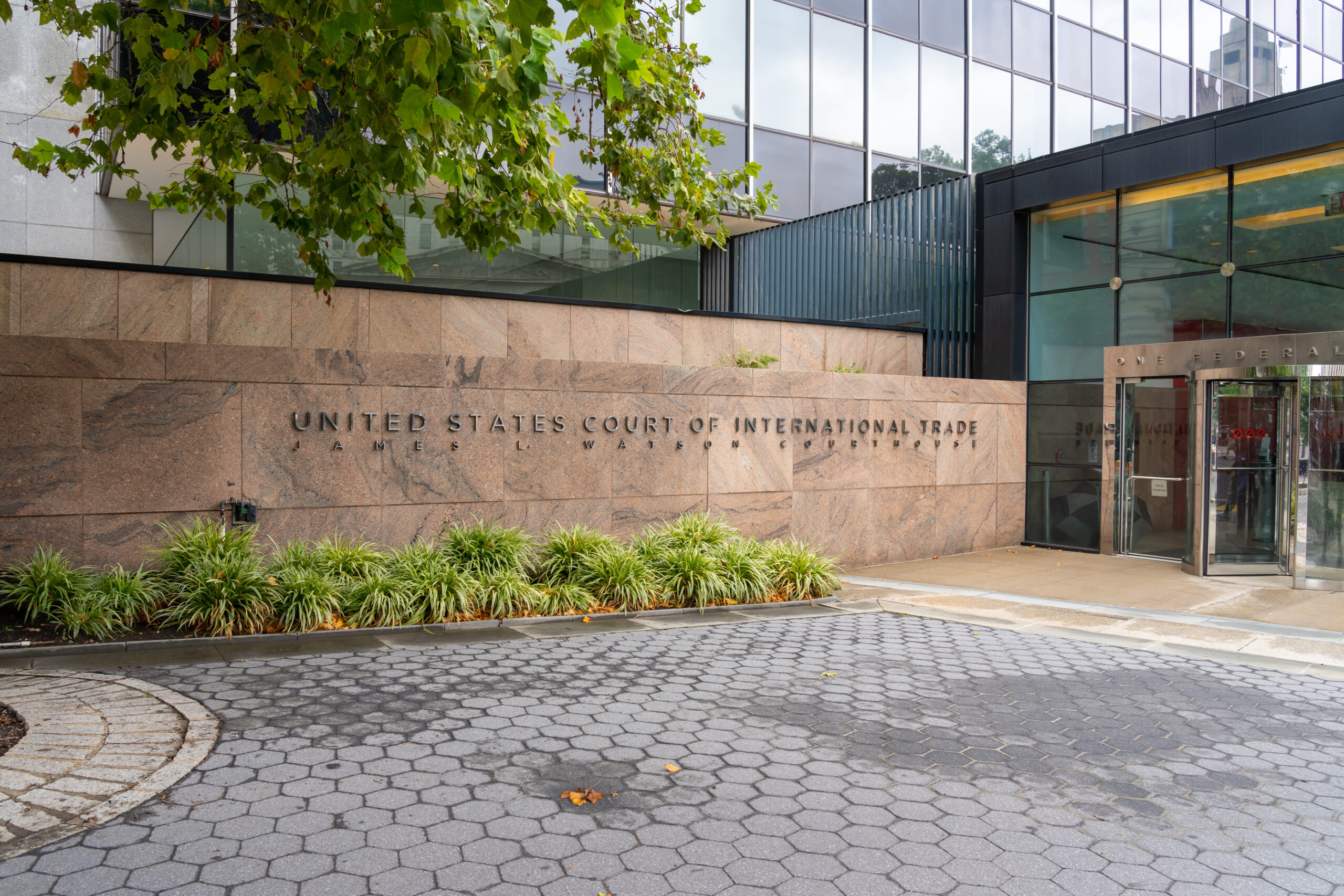
Once an entry has liquidated, file a protest challenging the assessed IEEPA tariffs within 180 days of the liquidation date. To accelerate the timeline, consider requesting accelerated disposition of your protest. If CBP does not act within 30 days of that request, the protest is automatically deemed denied - at which point you can seek immediate judicial review. If CBP formally denies a protest, you must file a summons in the U.S. Court of International Trade no later than 180 days after the denial. Meeting these deadlines is critical to preserving your rights in the IEEPA refund process.
Tracking your IEEPA tariff exposure? Get started with CustomsGenius to centralize your entry data and monitor refund deadlines.
For a complete overview of the refund process, read our guide: IEEPA Tariff Refund: What Importers and Brokers Need to Know in 2026.