 CustomsGenius
IEEPA Refund Process Gets a Push from Federal Circuit
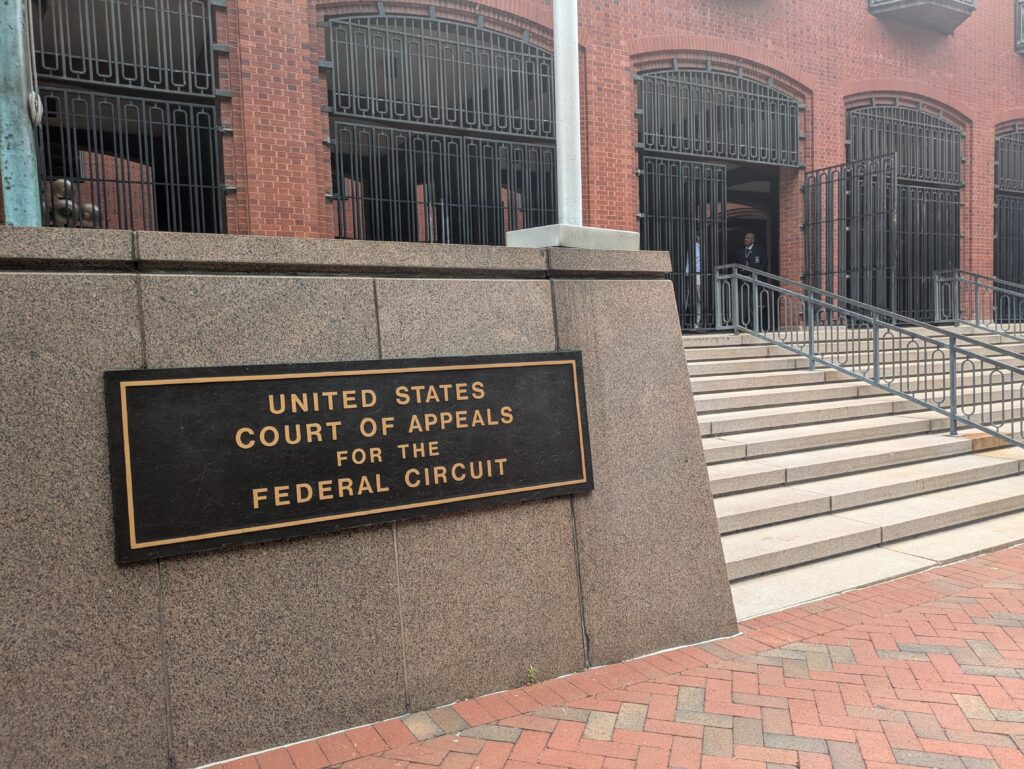
On March 2, 2026, importers pursuing tariff refunds received welcome news: the U.S. Court of Appeals for the Federal Circuit turned down the government’s request for a stay and directed that V.O.S. Selections, Inc. v. Trump, Case No. 25-1812, be sent back to the U.S. Court of International Trade (CIT). The ruling is procedural, but it removes a potential roadblock for importers working to recoup tariffs paid under the International Emergency Economic Powers Act (IEEPA).
How We Got Here
The Supreme Court had consolidated V.O.S. Selections alongside Learning Resources and other cases contesting the Trump Administration’s reliance on IEEPA to enact sweeping global tariffs. When the Court ruled on February 20, 2026, that IEEPA did not authorize the President to impose tariffs, the next required step was for the Federal Circuit to send the case back to CIT - opening the door for the IEEPA refund process to get underway.
The Government Tried to Hit the Brakes
Rather than allow a prompt remand, the Justice Department urged the Federal Circuit to delay its mandate. The government’s position was twofold: first, wait for the Supreme Court to formally finalize its judgment (a roughly 32-day process), and then tack on an additional 90-day pause before returning the case. The argument was that this extra time would let Congress craft a legislative framework for handling refunds.
The Federal Circuit was unpersuaded. In a unanimous order on March 2, 2026, the court denied the stay motion outright. The message was clear: no further delays.
Current Status
The Case Returns to CIT
Now that the mandate has been issued, the action shifts to CIT. Over 2,000 tariff lawsuits are already pending there, all of which had been on hold while the Supreme Court deliberated. Those cases should now begin advancing. Among the issues CIT will likely tackle: how and when refunds will be distributed, how liquidated and unliquidated entries will be treated differently, what role CBP will play in administering the process, and whether the government will seek offsets or raise other defenses. The sheer number of pending cases means the IEEPA refund process will likely proceed in phases.
Inconsistent CBP Implementation
CBP announced on February 22, 2026, via CSMS #67834313, that it would cease collecting IEEPA duties on new entries. Despite this, the Automated Commercial Environment (ACE) has kept liquidating older entries that still carry assessed IEEPA tariffs. For importers watching liquidation timelines and protest windows, this disconnect creates real problems.
What Importers Should Do Now
Don’t wait for perfect clarity. Importers should act while courts and CBP work out the details. New goods entering the country or being withdrawn from warehouse should no longer carry IEEPA tariffs, but other duty obligations may still apply.
To get ahead in the IEEPA refund process, importers should weigh two key actions: (1) filing Post-Summary Corrections for entries that haven’t yet liquidated, or protests for those that have, and (2) filing a Complaint directly in CIT to claim refunds. Many importers would rather take steps now - even without certainty that it will speed things up - than sit in a queue with thousands of others hoping the courts and the Administration will act on their behalf.
Tariff Exposure Hasn’t Gone Away
Losing IEEPA tariff authority didn’t free importers from all duties. The Trump Administration responded immediately by enacting a replacement tariff under Section 122 of the Trade Act, currently at 15 percent. These Global Import Surcharge Tariffs under Section 122 are expected to stay in effect through at least the end of July, at which point the President’s 150-day window closes and he must seek approval from Congress. The government has also announced plans to open investigations under Section 301 - a statute entirely unaffected by the IEEPA ruling.
Looking Forward
By rejecting the government’s delay request, the Federal Circuit signaled impatience with the Administration’s go-slow approach. The central question over the coming months is how fast the IEEPA refund process will actually deliver results. We are continuing to track what happens at CIT and CBP, including any new guidance on implementation or legislative developments.
Tracking your IEEPA tariff exposure? Get started with CustomsGenius to centralize your entry data and monitor refund deadlines.
For a complete overview of the refund process, read our guide: IEEPA Tariff Refund: What Importers and Brokers Need to Know in 2026.